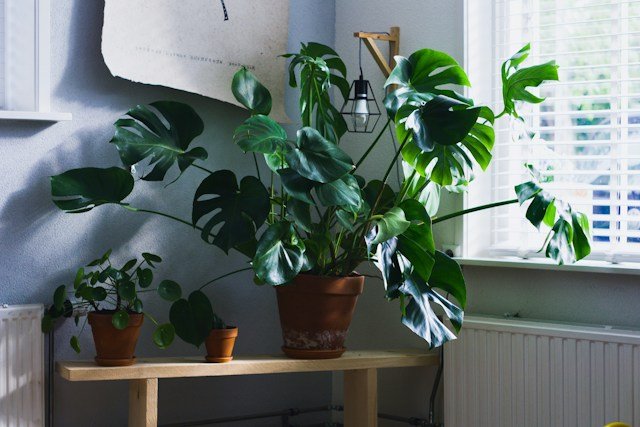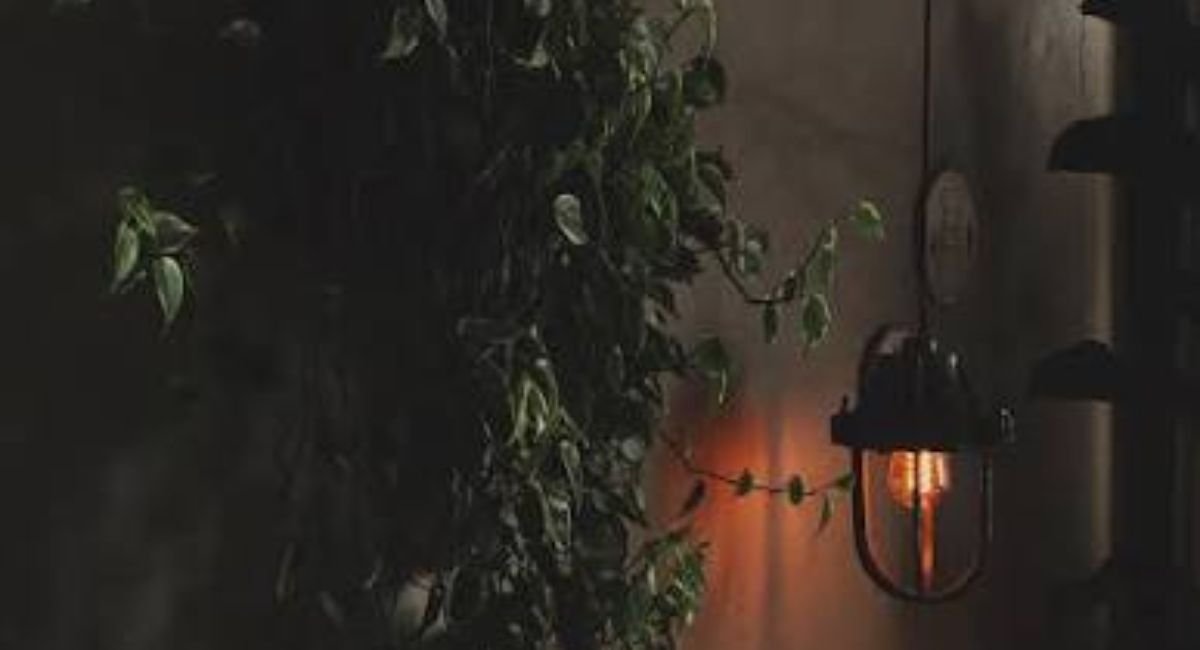
My first apartment had this weird little hallway nook with no window anywhere near it, and I genuinely thought it was a dead zone for plants. I put a fake fern there for almost a year before a coworker laughed at me and said, “that spot gets enough ambient light for a real plant, you know.” I didn’t believe her until I tried a cast iron plant there out of sheer stubbornness. It’s still there, years later, completely unbothered.
That’s the thing about low light. It sounds like a limitation, but it actually opens the door to a specific group of plants that are often the easiest ones to keep alive, period. No grow lights, no obsessive rotating toward windows, no stress every time you forget to water for two weeks.
Here are 20 low-light houseplants that are genuinely easy to care for, based on what’s survived (and thrived) in my own home.
What Counts as Low Light
Before we get into the list let’s be real about what low light actually means. A lot of people picture a pitch black room and think nothing can survive there.
When people say low light it means they are a few steps away from the window. It can also be a room with only north facing windows or an area lit mostly by indoor lights during the day. It is definitely not a windowless closet or a basement with no natural light at all.
Based on my experience, a simple gut check works well here: if you can comfortably read a book in that spot during the day without flipping on a lamp, it’s probably bright enough for most plants on this list, even if growth will be slower than in a sunnier room.
The Toughest of the Tough (Plants 1-5)
These five are the ones I recommend first to anyone who says they “kill every plant they touch.”
1. Snake Plant
Stiff, upright leaves that look almost architectural. Snake plants tolerate low light, dry air and inconsistent watering better than nearly anything else, and they’re genuinely difficult to kill through neglect, which is exactly the point.
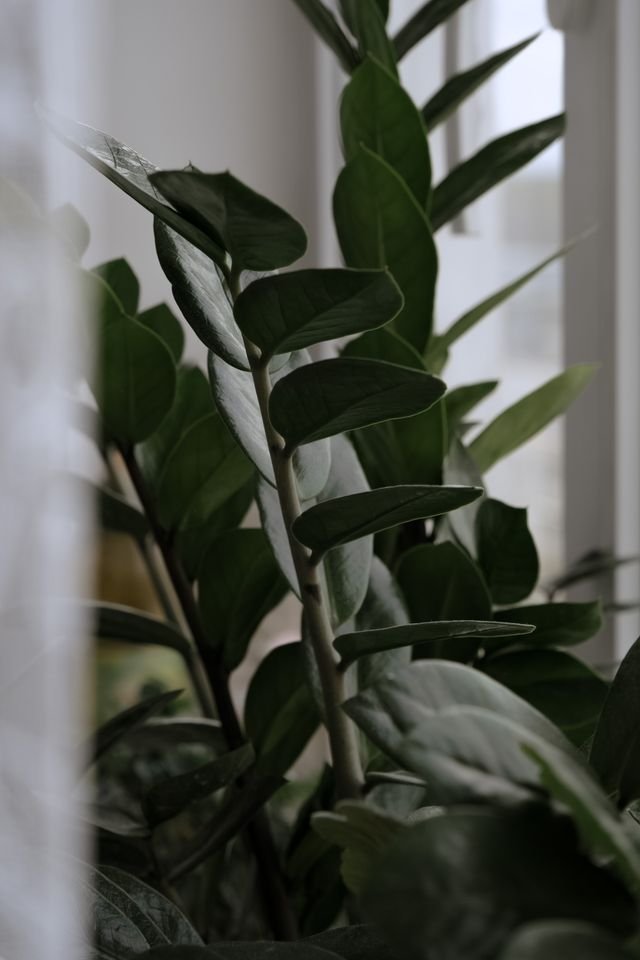
2. ZZ Plant
Glossy, dark leaves on thick, water-storing stems. I’ve left mine untouched for three weeks at a time and come back to find it completely unbothered. If you want proof that low-maintenance plants exist, this is it.
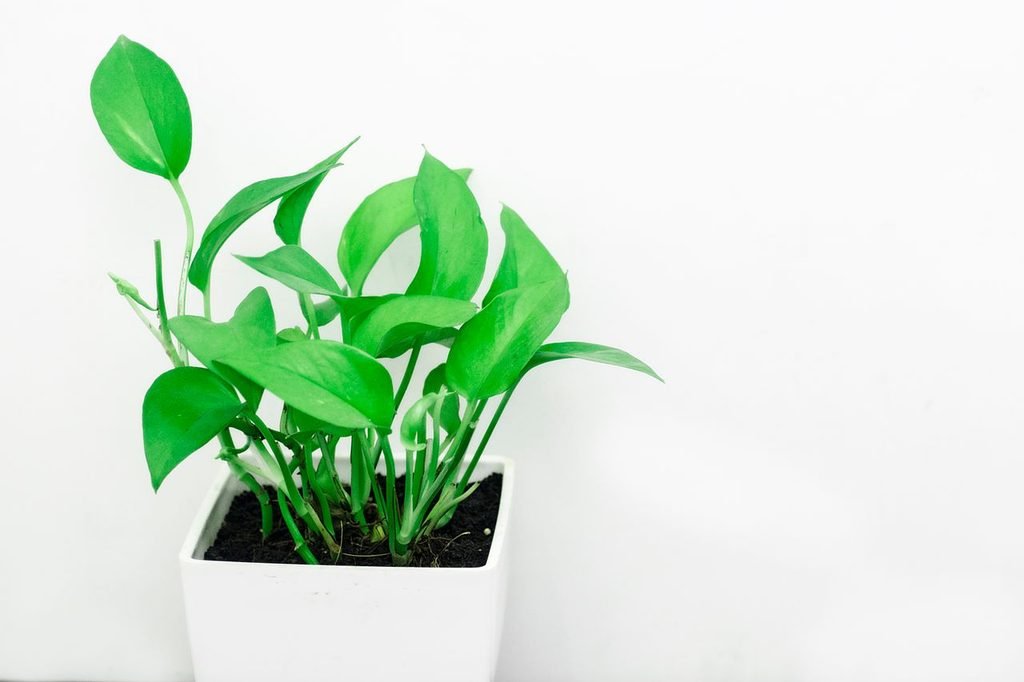
3. Pothos
Pothos has trailing vines with heart shaped leaves and comes in solid green or variegated patterns. It roots easily in water and doesn’t mind low light at all. It even forgives you when you forget to water it and that builds real plant parent confidence.
4. Cast Iron Plant
The plant from my hallway nook story. Slow growing, dark green and leathery holds the corners and drafty spots without much fuss at all. Patience is the only real requirement here.
5. Chinese Evergreen
Patterned leaves in shades of green, silver and sometimes a soft pink blush, depending on the variety. It handles low light while still bringing visible color and texture, which a lot of tough plants don’t manage.
Easy and Attractive (Plants 6-10)
These bring more visual interest without asking much extra in return.
6. Peace Lily
Glossy leaves and pretty white blooms plus a built-in warning system. Peace lilies droop when they’re thirsty and then perk back up within hours of a drink which makes them a great pick for beginners.
7. Philodendron (Heartleaf)
Its long vines have heart shaped leaves that look like pothos but are more brighter. It can handle low light and a missed watering. Hang it on the wall with the help of a basket. Let the vines trail down.
8. Dracaena
Tall arching leaves that give a room some height and structure. Many dracaena types do well in low light and they grow slowly but steadily over the years without much help from you.
9. Spider Plant
Arching leaves with little baby plants dangling off thin stems. Spider plants cope with low light pretty well though the growth and the babies slow down compared to a brighter spot.
10. Parlor Palm
A compact, feathery palm that doesn’t demand the bright light or high humidity that most palms need. It adds a soft, airy texture without much fuss, making it a solid pick for low light corners.
Great for Beginners (Plants 11-15)
If you’re new to houseplants, these strike a good balance between forgiving and interesting.
11. Peperomia
They are in an astonishing range of leaf shapes and textures. They stretch from smooth and glossy to deeply ridged. Most types stay small and handle low light well so they work great on desks and small shelves.
12. English Ivy
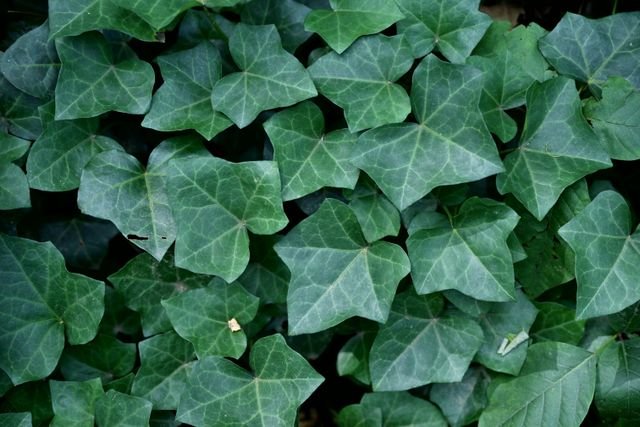
Trailing lobed leaves that look great in hanging baskets. English ivy copes with low light pretty well though it likes cooler rooms and a bit more humidity than the toughest plants on this list.
13. Lucky Bamboo
It’s actually a type of dracaena and not real bamboo and it’s often grown in water instead of soil. It handles low light really well and looks nice in decorative arrangements on desks or shelves.
14. Aglaonema
A close relative of Chinese evergreen with leaves that have similar patterns. It grows slowly and is very forgiving so low light and forgotten waterings don’t bother it much.
15. Bromeliad
The colorful flower spikes rise above a rosette of stiff leaves and look really striking. A lot of bromeliads handle low to medium light better than you’d expect. After the main bloom fades the plant usually puts out small offsets that you can pot separately.
A Little More Personality (Plants 16-20)
These last five bring some extra character to a low-light setup, with just slightly more care involved.
16. Calathea
Bold, patterned leaves, some of which fold upward at night. Calatheas prefer low to medium light and like consistent humidity, so they’re a step up in care but pay it back with genuinely striking foliage.
17. Maidenhair Fern
Delicate, feathery fronds that bring real softness to a room. This one needs more consistent moisture than most on this list, and I’ll admit it’s the one plant here I’ve killed more than once, so go in with modest expectations.
18. Prayer Plant
Closely related to calathea with dramatic patterned leaves that shift and move throughout the day. It handles low light well but likes plenty of humidity so a bathroom with some natural light can be a perfect home for it.
19. Rubber Plant
Large glossy deep green leaves or sometimes burgundy ones make a bold statement. Rubber plants handle lower light better than most people expect although their growth slows down a lot in dimmer conditions.
20. Monstera (Juvenile)
Young monsteras do reasonably well in lower light although the dramatic splits they are known for fully develop in brighter conditions. Even so they are slow growing and tougher in low light than most people think.
Basic Care Tips for Low-Light Plants
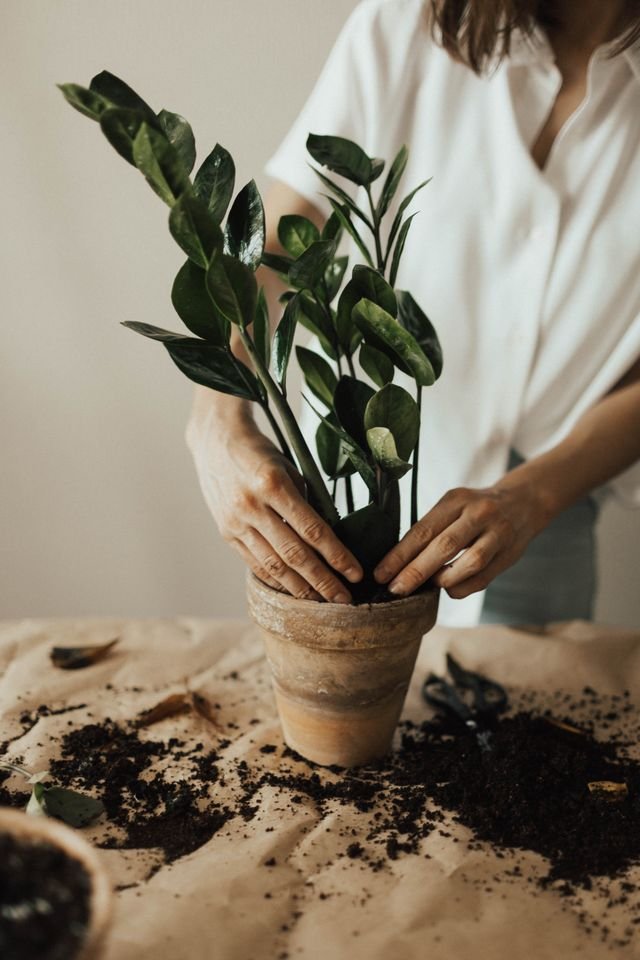
Easy to care for doesn’t mean zero care. A few habits matter more in dim rooms than in sunny ones.
- Water them less often. Low light plants use water slowly so let the soil dry between waterings. Root rot is the biggest killer of this whole group.
- Give the leaves a wipe now and then. Dust blocks some of the little light these plants get so a quick clean every few weeks actually makes a difference.
- Go easy on feeding. These plants grow slowly so they just don’t need much. A little food every 3 months during the growing season is enough.
- Always pick the pots with drainage holes. It matters even more in low light because the soil stays wet for ages and if the water has nowhere to go the roots will start rotting fast.
- Turn the pot every once in a while. Even low light plants lean toward whatever light they can find so rotating them keeps the growth looking even.
After testing this in my own dim apartment for a few years the big thing I learned is that overwatering kills way more low light plants than the actual light level ever does.
Mistakes That Kill These Plants Anyway
Even “easy” plants get killed, usually through a small handful of repeatable mistakes.
- I used to water every Sunday no matter what. Bad idea. In low light the soil stays wet much longer than you think so checking it first can save your plant.
- I also believed low light meant no light. It doesn’t. A plant stuck in a pitch dark corner will slowly give up on you.
- Pots without drainage holes are a trap. The soil already dries slowly and the water just sits at the bottom and rots the roots.
- Then there’s the patience part. These plants grow slowly. If yours looks exactly the same after a month that is normal so don’t throw it out.
- And don’t forget about pests. Spider mites and mealybugs can still find your plants even in a dim room so take a quick look at the leaves once in a while.
Final Thoughts
A dim apartment, a windowless office cubicle, or a stubborn hallway nook doesn’t have to stay empty. Some of the toughest, most rewarding houseplants out there genuinely prefer staying out of direct sun, and a few practically thrive on being left alone.
Start with one or two from this list, somewhere you’ll actually see them daily. My cast iron plant in that old hallway nook is still proof enough for me that low light was never really the obstacle I thought it was.
Frequently Asked Questions
1. Can houseplants really survive with almost no natural light?
Honestly almost every houseplant needs some daylight to stay alive for long. That goes for the tough ones like snake plants and ZZ plants too. If your room is really dark just get a cheap LED grow light and put it on a timer. It works better than you would expect.
2. How do I know if I’m overwatering a low-light plant?
Yellow leaves are the first sign. A soil top that never seems to dry is another. A soft mushy base at the stem is the worst one. A plant in a dim spot hardly drinks anything so give it time. Wait until the top inch or two of soil feels dry and then water. Do that and you will dodge most problems.
3. Do low light plants grow slower than plants in bright light?
Yes . Less light means less energy so the plant takes its time. Please don’t worry if yours looks the same for weeks. That is normal. Give it a few months and you will see new leaves.
4. Which plant on this list is best for a total beginner?
Choose between pothos and snake plants. I forgot to water mine more than once and they still came back. They also show you when something is wrong so you get time to fix it. That makes them great for learning.
5. Do low light plants need special fertilizer?
No. They just need less of it. A weak mix every couple of months in spring and summer is enough. More food will not make them grow faster in a dim room and too much can burn the roots. When unsure just skip a feeding.