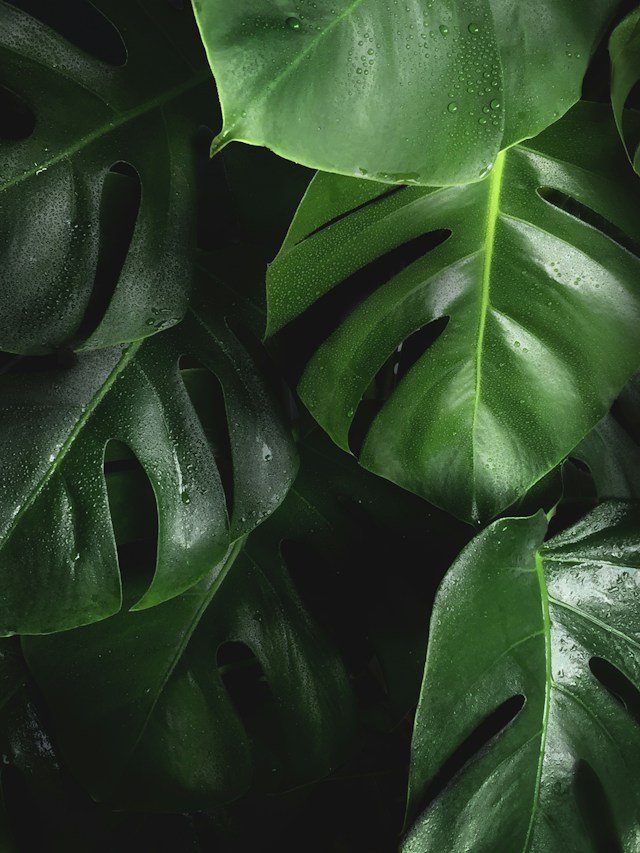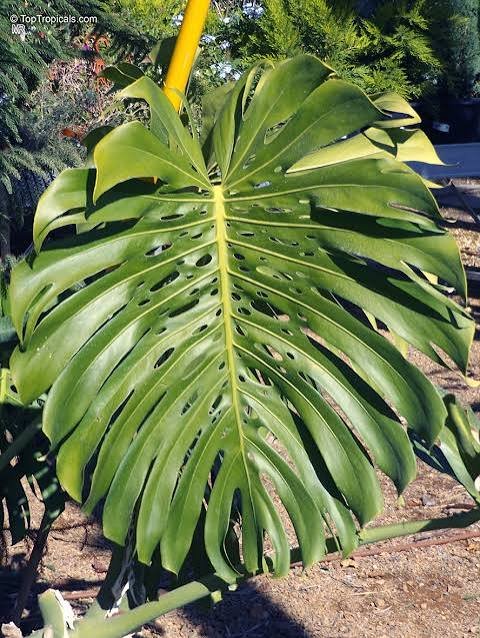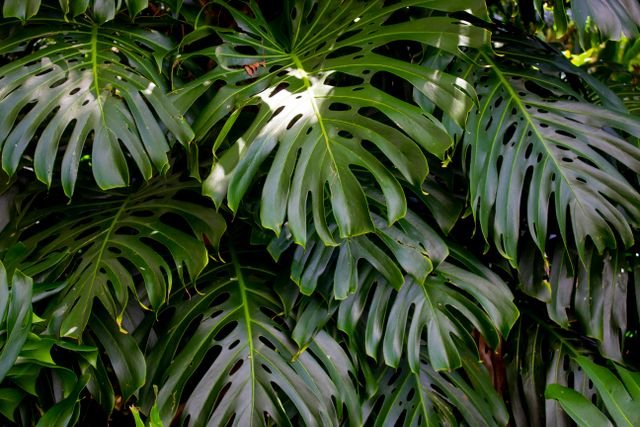
For the first six months of owning my monstera, I watered it every single Sunday like it was a religious obligation. Didn’t matter what the soil looked like, didn’t matter what season it was. Sunday came around, out came the watering can.
Then the lower leaves started turning yellow, one after another, and I genuinely thought I was underwatering it. So naturally, I watered more. The yellowing got worse. It wasn’t until I finally pulled the plant out of its pot and saw dark, mushy roots that I realized I’d been drowning it for months, not starving it.
That was the moment I stopped watering on a schedule and started actually checking the soil first. The difference in that plant’s health over the following months was honestly kind of embarrassing, in a “why didn’t I do this sooner” kind of way. If you’re wondering how often to actually water a monstera, this guide covers everything that fixed it for me.
There’s No Single Right Answer
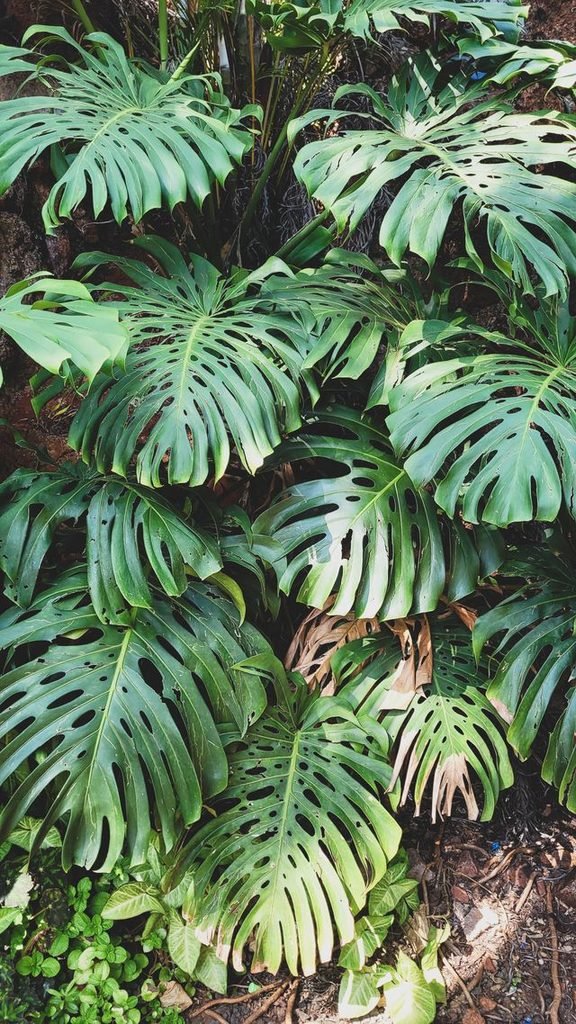
I wish I could give you a clean, simple number, like “water every nine days,” and have that be reliably true for every monstera in every home. It isn’t, and honestly, any guide that promises a fixed schedule like that is setting you up for the same mistake I made.
Honestly there’s no single answer for how often a monstera wants water. Mine drinks a lot more when it gets plenty of sun and way less when the room is dim. Pot size and soil make a difference too. Even the air in your room and the season change things so just check the soil and let the plant tell you. A monstera sitting in a bright room during summer might need water every week. The same plant in a dim corner during winter might go three weeks or more between waterings.
Based on my experience, the single biggest shift in successfully caring for a monstera is abandoning the fixed schedule entirely and switching to checking the plant itself before deciding to water.
The Soil Check Method
This is the method that actually fixed my overwatering problem, and it’s simpler than it sounds.
The Finger Test
Stick your finger about two inches into the soil. If it feels damp at that depth then wait. If it feels dry, it’s time to water. This single habit prevents the vast majority of watering mistakes, since it removes the guesswork a calendar schedule can’t account for.
The Moisture Meter Option
If you’d rather not get your hands dirty every few days, an inexpensive soil moisture meter works well too. Insert it into the soil near the root zone, and it gives a simple reading, usually from dry to wet. I started using one after my root rot incident, mostly out of a slightly paranoid desire for a second opinion, and it’s been reliable ever since.
The Weight Trick
After a while, you’ll notice a dry pot feels noticeably lighter than a recently watered one. Lifting the pot occasionally becomes a quick, intuitive gut check once you’ve gotten a feel for your specific plant and pot combination.
Factors That Change How Often You Should Water
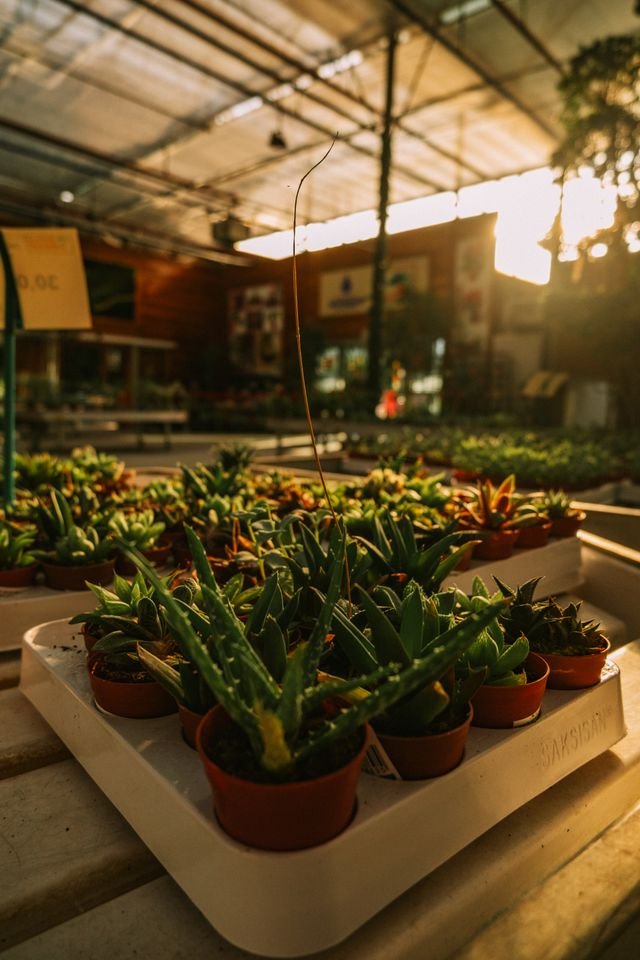
Since there’s no fixed number, it helps to understand what actually shifts a monstera’s watering needs up or down.
Light Levels
Light changes everything for my monstera. The sunnier its spot the quicker the soil dries. When I moved mine from a dim corner to a bright window I had to water it a lot more.
Pot Size and Material
I see small pots dry fast because there is less soil to hold water. My terracotta pot is the worst. The clay is porous through which water leaks . It dries way quicker than my plastic one.
Soil Composition
Loose soil with perlite or bark dries faster than heavy packed soil. I actually prefer it because the roots never sit in soggy dirt. I just water it more than the dense soil.
Humidity and Temperature
Winter is when I notice it most. The heater runs all day and my soil is bone dry by Wednesday. Last summer my room felt a bit damp and the same pot stayed wet for almost a week. So now I just touch the soil before I water and don’t go by the calendar.
Season and Growth Stage
Spring and summer is when mine shoots up and drinks like crazy. Once fall and winter hit it slows right down and hardly wants any water at all.
A General Watering Routine by Season
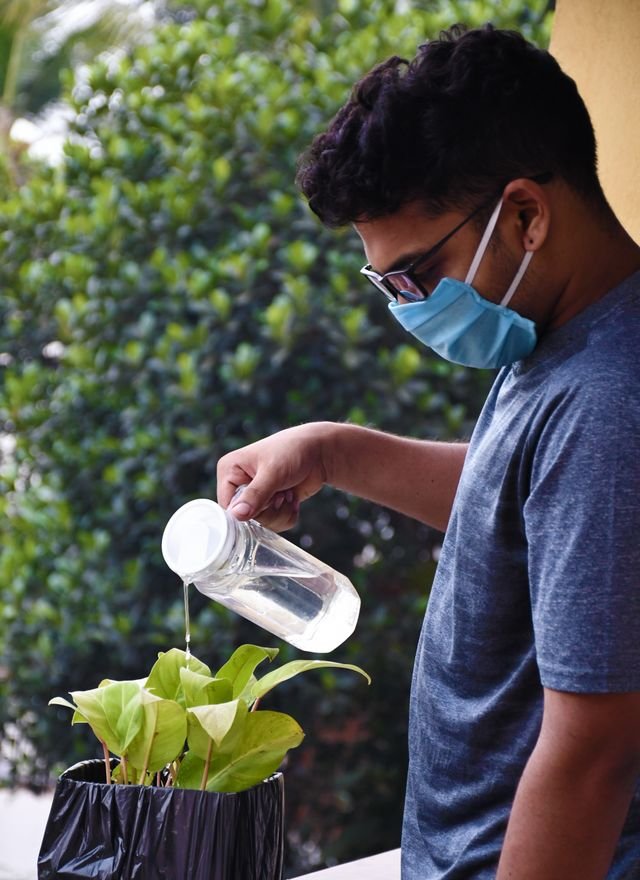
While the soil check method should always be your main guide, here’s a rough starting point based on what’s worked consistently for me across different seasons.
When I Check the Soil
Spring and summer: Mine grows fast then so I poke the soil every 5 to 7 days. If the top two inches feel dry I water it properly.
Fall: Things slow down so I check about once a week or every 10 days.
Winter: I check every 10 to 14 days. Sometimes it takes longer depending on how warm and dry the house is.
Don’t treat these numbers like a rule. One winter my monstera went almost three weeks without water because the room stayed cool and the soil stayed damp.
Signs You’re Overwatering
I killed a few roots this way so I know how it goes. Root rot is hard to fix once it gets bad so spot it early.
– Yellow leaves showing up on the old lower part first
– Soft mushy stems near the soil
– A sour or musty smell from the pot
– Soil that stays wet for way too long
– Dark mushy roots when you slide the plant out of the pot
If you catch it early just let the soil dry out more before the next watering. If the rot is already there, cut off the bad roots and repot in fresh soil that drains well.
Signs You’re Underwatering
This happens less than overwatering but it still happens. I see it mostly in bright rooms where the soil dries fast.
– Droopy leaves that curl a little
– Soil pulling away from the sides of the pot
– Thin leaves with crispy edges
– Slow growth even with good light
This one is easier to fix. A good soak usually brings the plant back in a day or two unless it stayed dry for a long time.
How I Water My Monstera
Knowing when to water is only half of it. The way you do it matters too.
I water deeply and never in little sips. I pour until water runs out of the drainage holes so the whole root ball gets wet and not just the top.
I let the pot drain all the way. If it sits in a saucer full of water the roots stay soggy for days.
I use room temperature water. Cold tap water can shock the roots so I leave a jug out for a while first. It’s a small habit but it helps.
I pour all around the pot and not in just one spot so every part of the roots gets a drink.
I switched from quick shallow watering to full deep soaks a few seasons ago. My roots looked much healthier after that and the new leaves came out bigger.
Common Mistakes People Make
I’ve made most of these myself, so take it as hard-earned advice rather than a lecture.
- Watering on a fixed calendar schedule, regardless of actual soil condition, which is exactly what caused my own root rot issue
- Using a pot without drainage holes, trapping excess water with nowhere to go
- Letting the pot sit in a full saucer after watering, rather than emptying it
- Assuming yellow leaves always mean underwatering, when overwatering is actually the more common cause
- Ignoring seasonal changes, and continuing a summer watering routine straight through winter without adjusting
Final Thoughts
Watering a monstera isn’t about finding one perfect number and sticking to it forever. It’s about checking in with the actual plant, in its actual pot, in its actual spot in your home, and adjusting from there. Once I let go of my rigid Sunday schedule, my monstera’s health turned around within a few months, and it’s been steady ever since.
If you’re staring at your monstera right now trying to decide whether today’s the day to water it, do the simple thing. Stick your finger in the soil and let that answer the question for you.