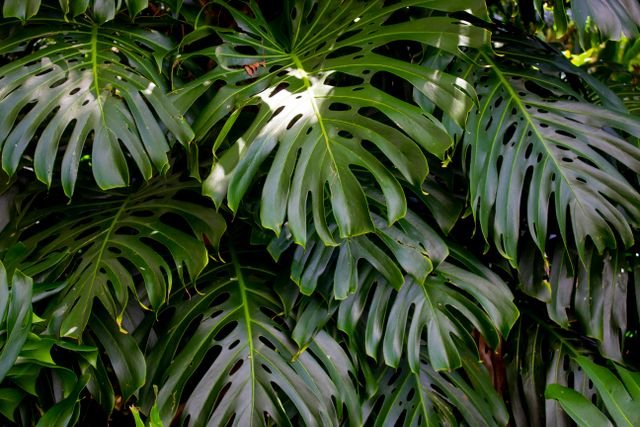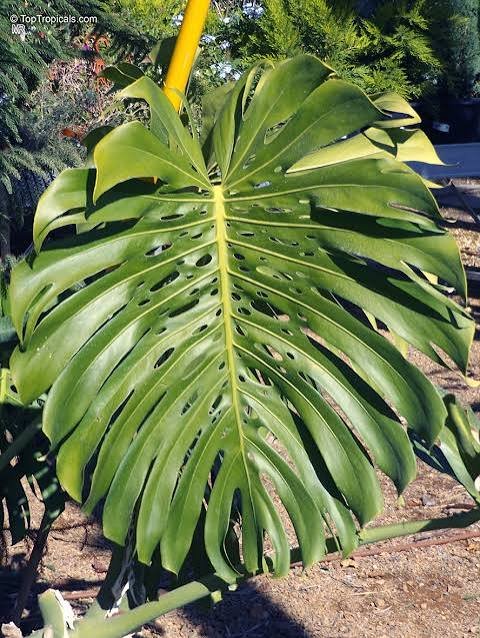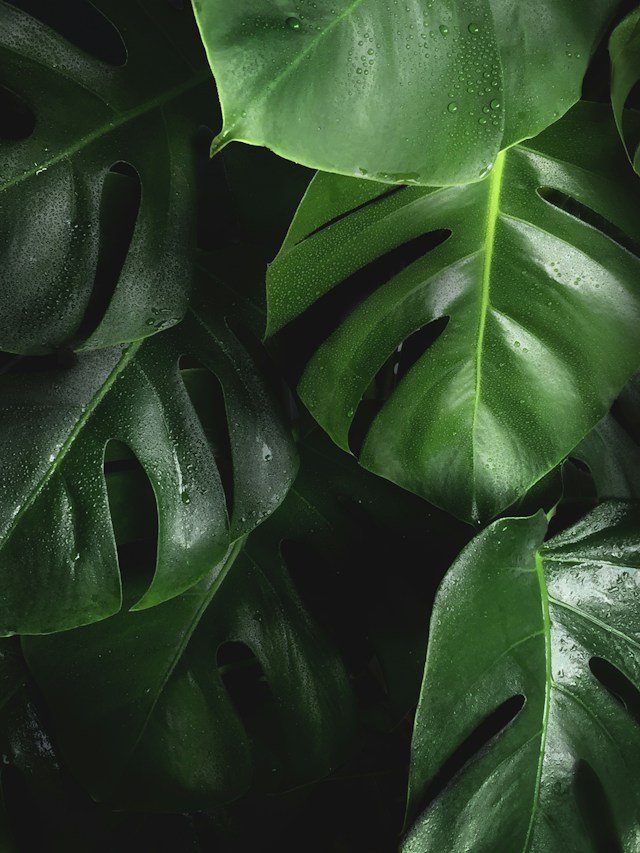
I bought my first monstera because a photo of one went slightly viral on my feed years ago, those big, dramatic, split leaves looking effortlessly cool in someone’s sunlit living room. Mine looked nothing like that photo for almost a year. Small, plain leaves with zero splits, sitting in a corner that I’m pretty sure got about ten minutes of actual sun a day.
Turns out, I had basically everything a little bit wrong. Wrong light, wrong watering habits, wrong expectations about how fast those iconic splits actually show up. Once I fixed the light situation and stopped watering on a fixed schedule, that same plant doubled in size within a few months and finally started producing the leaves I’d been waiting for.
If you’ve just brought home a monstera, or you’re thinking about it, this guide covers everything I wish someone had told me from day one.
What Exactly Is a Monstera
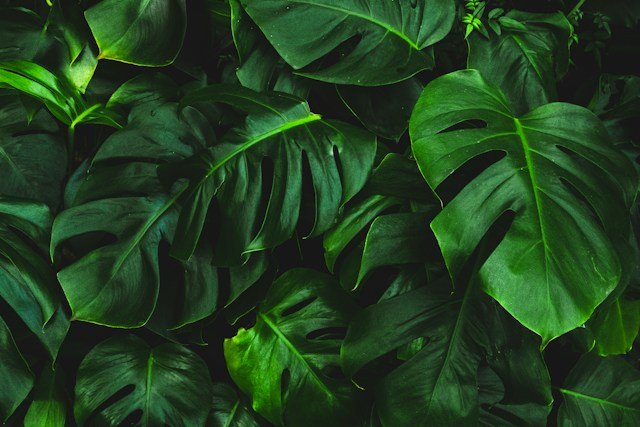
Monstera deliciosa is the variety most people picture when they hear the name, famous for its large, glossy leaves that develop distinctive splits and holes as the plant matures. It’s a tropical climbing plant native to Central America, where it naturally grows up tree trunks in dappled rainforest light.
That last detail matters more than people expect. In the wild, monsteras aren’t sitting in blazing direct sun. They’re growing under a forest canopy, which is exactly why they tolerate indoor conditions so well, as long as you get the basics right.
Based on my experience, monsteras get a reputation for being either impossibly easy or frustratingly fussy, and honestly, both are kind of true depending on what stage you’re at. The plant itself is forgiving. Getting those famous splits to show up reliably takes a bit more intention.
Light Requirements
Light is where I went wrong initially, and it’s the single biggest factor in how well a monstera actually performs.
Monsteras really do best in bright indirect light. Think a few feet back from a south or east-facing window or even right in front of a north-facing one. Direct harsh afternoon sun can actually scorch the leaves leaving behind pale or crispy patches while too little light leads to small leaves with barely any splits or sometimes none at all which is exactly what happened to mine sitting in that dim corner.
Signs Your Monstera Isn’t Getting Enough Light
- New leaves come in noticeably smaller than older ones
- Leaves show little to no splitting, even on a mature plant
- The plant leans dramatically toward whatever light source exists
- Growth slows to a near standstill, even during the growing season
If natural light is genuinely limited in your space, a simple LED grow light on a timer can fill the gap. After testing this myself with a secondary monstera in a dimmer room, the difference in leaf size and splitting within a few months was honestly kind of dramatic.
Watering: The Thing Most Beginners Get Wrong
If there’s one section of this guide worth reading twice, it’s this one, because overwatering is the most common way monsteras actually die.
Monsteras really do best in bright indirect light. Think a few feet back from a south or east-facing window or even right in front of a north-facing one. Direct harsh afternoon sun can actually scorch the leaves leaving behind pale or crispy patches while too little light leads to small leaves with barely any splits or sometimes none at all which is exactly what happened to mine sitting in that dim corner.
A Simple Watering Routine
Firstly check the soil. Stick a finger down into the soil or use a moisture meter if you want something more precisely.
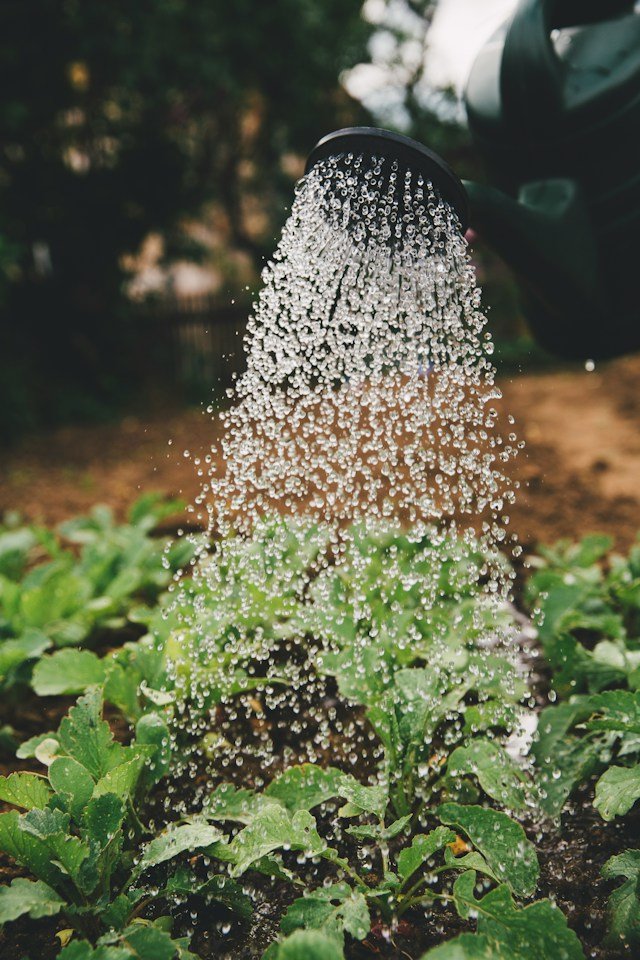
Water it thoroughly. Pour until water runs freely out of the drainage holes instead of just giving it small sips here and there.
Empty the saucer afterward. Letting a pot just sit in standing water is a sneaky but super common cause of a root getting poiled.
Adjust with the seasons. Monsteras drink a lot more during active growth in spring and summer and way less during fall and winter when they’re basically dormant.
I used to water mine every Sunday without fail, regardless of how the soil actually looked. Once I switched to checking the soil first, root health and overall growth improved noticeably, and I stopped second-guessing yellow leaves every other week.
Soil and Potting
Monsteras need soil that drains well but still holds onto moisture as wet roots and dry soil cause problems pretty fast.
A well draining mix usually just regular potting soil mixed with perlite and orchid bark works great for most home setups. A lot of growers also throw in some extra chunky stuff to boost airflow around the roots which basically copies the loose organic debris monsteras naturally grow out in the wild.
Choosing the Right Pot
- Use a pot with drain holes. This detail prevents more root rot than almost any other care decision.
- Size up gradually. Leap from a small pot to a larger one leaves excess soil that stays wet too long. Go up one size at a time. Roughly two inches in diameter.
- Change the pot every one to two years. Take a look at roots circling the bottom of the pot. Slow growth despite good care
Humidity and Temperature
Being a tropical plant, monsteras appreciate higher humidity than the average home naturally offers, though they’re more adaptable here than people often assume.
Average household humidity, somewhere around 40 to 50 percent, is usually fine for a healthy monstera. If your home runs noticeably drier, especially during winter with heating systems running, a few options help:
- A small humidifier placed nearby
- Grouping plants together, which naturally raises humidity around them
- A pebble tray with water underneath the pot (without letting the pot sit directly in water)
As for temperature, monsteras prefer a fairly standard indoor range, roughly 65 to 85°F. They’re sensitive to cold drafts, so keep them away from drafty windows in winter and away from direct AC blasts in summer.
Fertilizing and Growth
In the active growing season which is from spring to early fall Monsteras gain from regular feeding to keep up with their fast growth.
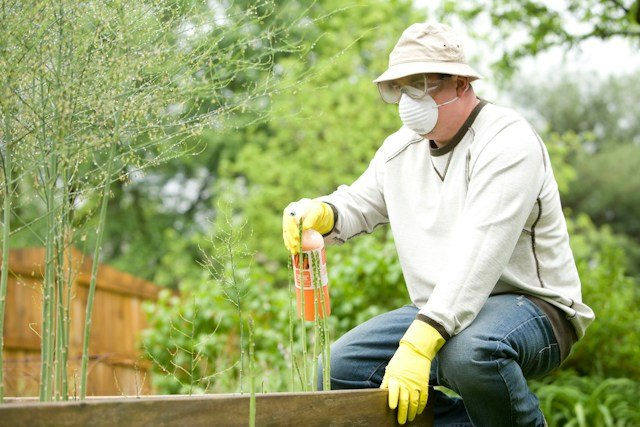
A balanced liquid fertilizer every four weeks during the growing seasons works great for most home setups. Cut a lot or just stop completely during fall and winter when growth naturally slows down.
From my own experience over fertilizing causes way more visible problems than under fertilizing ever does. If extra fertilizers are given the edges become crispy brown. White crusty things on the soil surface appear. When in doubt it is always safer to feed a little less than the label suggests rather than going overboard.
Support, Pruning and Propagation
As monsteras mature, they naturally want to climb, which matters more for their leaf development than most beginners realize.
Using a Moss Pole or Trellis
Giving a monstera something to climb, like a moss pole, encourages larger leaves with more pronounced splits, since the plant’s natural growth pattern is upward along a support structure, not sprawling outward. I added a moss pole to mine about a year in, and the leaf size increase afterward was noticeable within just a couple of new growth cycles.
Pruning
Occasional pruning keeps a monstera from getting leggy or unbalanced. Cutting just above a node encourages fuller, bushier growth rather than one long, sparse vine.
Propagation
Monsteras propagate easily from stem cuttings, which makes them a great plant to share or multiply:
- Cut a section with at least one node and ideally one leaf attached
- Place the cutting in water or moist soil
- Keep it in bright, indirect light
- Roots typically appear within a few weeks, and the cutting can be potted once they’re a couple inches long
Common Problems and How to Fix Them
Even with good care, monsteras run into a handful of recurring issues. Here’s what they usually mean.
- Yellowing leaves mean you are giving too much water. Let the soil dry out between waterings and look for root rot if it keeps happening.
- Brown crispy edges on leaves come from not enough water or dry air or too much fertilizer. Check your watering routine first.
- No splits on new leaves means your plant needs more light. Move it closer to a bright window or try a grow light.
- Drooping leaves can mean too much water or too little. Just stick your finger in the soil and find out for yourself.
- Spider mites and mealybugs can show up without warning so check under the leaves often and if you see anything use insecticidal soap or neem oil right away.
Final Thoughts
A monstera is honestly not as hard as it looks even though those big dramatic leaves make it seem like something only plant pros can pull off. Just nail the light and watering and toss in a moss pole or something for it to climb on later and the rest pretty much sorts itself out.
My once-sad corner monstera is now sprawling across a moss pole with leaves bigger than my hand, splits and all. If that plant could turn around, yours genuinely can too..
Frequently Asked Questions
1. How often should I water my monstera?
There is no fixed rule regarding it as it depends on other factor salso such as Light, humidity and pot size. Watering once a week is also good to start with. You can also czech with your finger putting in soil to about two inches if you want to be precise.
2. Why doesn’t my monstera have any leaf splits?
Those leaf splits show up as your monstera gets older and they really need plenty of light to form. Young plants usually grow plain solid leaves no matter how well you treat them. If an older plant still has no splits the light is probably too low so try moving it closer to a bright window.
3. Can monstera plants grow in low light conditions?
Monsteras can survive in lower light, but they won’t thrive there. You will end up with smaller leaves barely any splits and growth that crawls along. If you want that big dramatic look most people dream of with a monstera bright indirect light is not just a nice to have but something your plant genuinely needs.
4. Do monsteras need a moss pole or trellis to grow well?
Not strictly but it does help a lot. Monsteras are natural climbers so giving them something to grow up encourages bigger leaves with deeper splits compared to letting the plant sprawl all over with nothing to hold onto. Once your plant has a few mature leaves adding a moss pole is a really good upgrade.
5. Is monstera toxic to pets?
Yes, monstera plants contain calcium oxalate crystals that can cause mouth irritation, drooling and digestive upset if chewed or ingested by cats or dogs. It’s best kept out of reach of curious pets, or avoided entirely in homes where pets are known to chew on houseplants regularly.