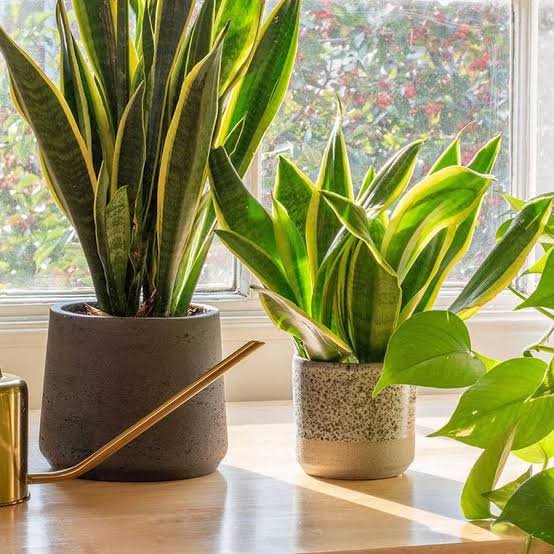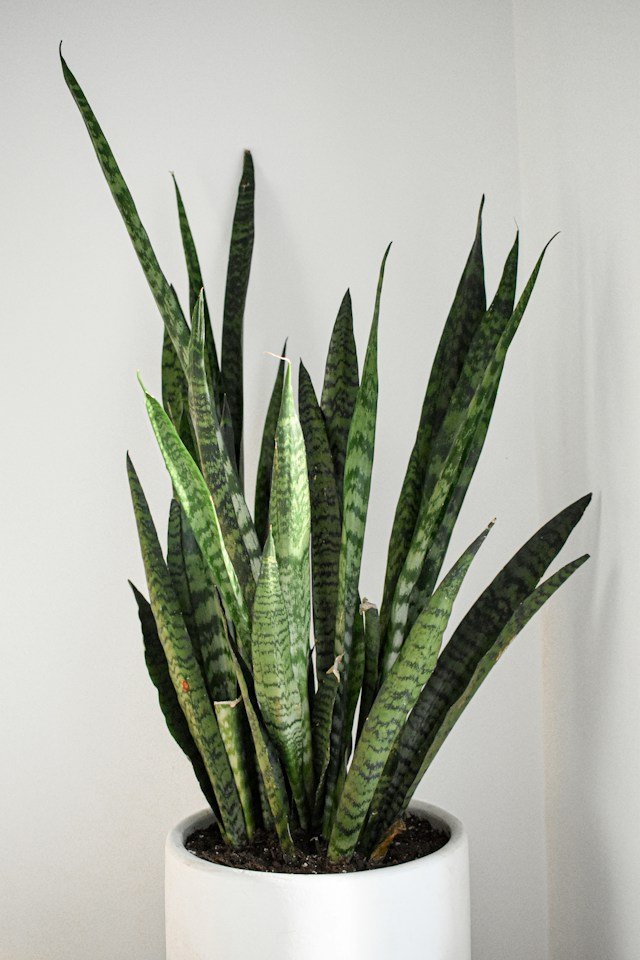
My snake plant was a hand-me-down from a coworker who was moving across the country and couldn’t take it with her. She handed it over with a warning: “I genuinely don’t know how this thing is still alive, I’ve basically ignored it for two years.” That felt like a challenge, honestly, and also a pretty good sign.
Three years later, that same plant has outlasted two apartment moves, a few truly neglectful stretches on my part, and one memorable incident where I forgot about it entirely for almost six weeks while traveling. It’s still going, still producing new leaves, still doing its thing in a corner that gets barely any direct light.
If you’ve got a snake plant, or you’re thinking about getting one, this guide covers everything that’s actually mattered in keeping mine alive and thriving for years, not just surviving.
Why Snake Plants Are So Forgiving
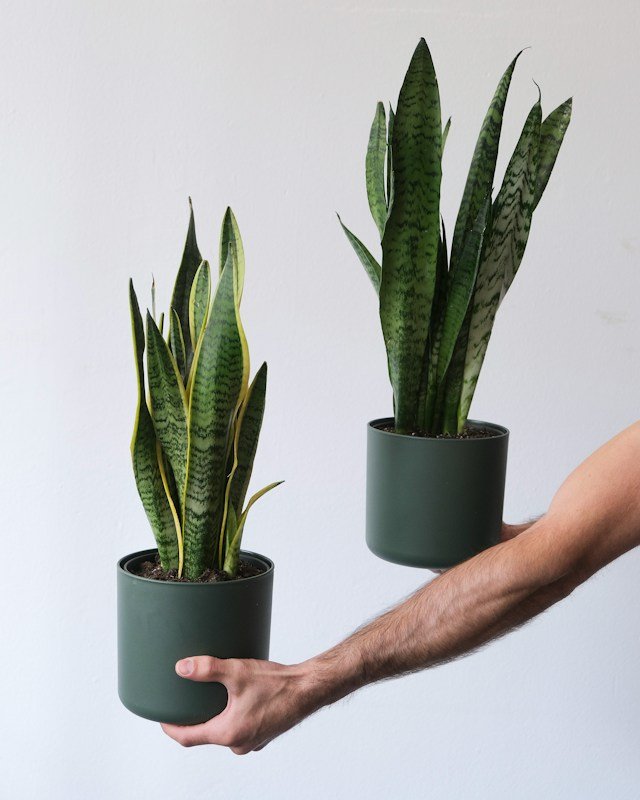
Snake plants are also called Sansevieria and lately they’ve been moved under the Dracaena family.They come from the dry rocky parts of West Africa and that’s exactly why this plant can handle the kind of neglect that would easily kill most other houseplants.
Out in the wild snake plants had to survive long stretches without any rain so they store water in their thick upright leaves just like a succulent does. That’s exactly why too much water is a much bigger danger indoors than too little.
From my own experience snake plants get recommended as a beginner plant all the time and they’ve earned that title. They put up with irregular care low light and dry air without complaining which makes them one of the easiest plants for anyone just starting out.
Light Requirements
Snake plants are super adaptable when it comes to light which is a big reason people love them for offices dim apartments and even those dark corners nobody knows what to do with.
They handle low light really well and can live in spots that would stress out most other houseplants. That said they actually do best in bright indirect light where they grow noticeably faster and look a lot fuller than they do in a dim corner.
What to Avoid
Direct, intense afternoon sun can scorch the leaves over time, leaving pale or bleached patches, particularly on varieties with thinner, more delicate leaves. A few hours of gentle morning sun is usually fine, but harsh midday exposure through an unshaded south-facing window is worth avoiding.
Signs Your Light Levels Need Adjusting
- Extremely slow or stalled growth over many months suggests light is likely too low.
- Pale, bleached, or scorched-looking patches on leaves point toward too much direct sun.
- Leaves leaning dramatically toward a light source indicate the plant wants to be closer to it.
Watering: Less Is More
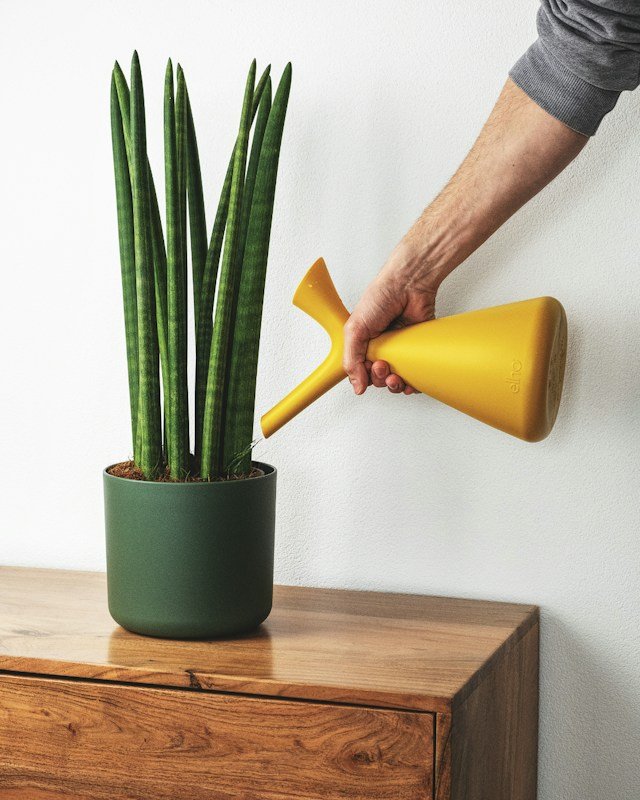
More snake plants die from overwatering than from almost any other single cause, and it’s genuinely the easiest mistake to make, especially for well-meaning beginners.
How Often to Water
Let the soil dry out completely between waterings, then water thoroughly. Depending on light, humidity and season, this often works out to every 2 to 6 weeks, which surprises people used to more frequent watering routines with other houseplants.
A Simple Watering Routine
- Check the soil by sinking the finger inside the soil or lift the pot to see if it is heavy or light.
- Water it completely until it runs out of drainage holes.
- Let it drain completely. Never let the pot sit in standing water in a saucer.
- In winters water the plant as less as possible as growth is limited so it doesn’t require much.
I genuinely went close to six weeks without watering mine once, during a long trip, fully expecting to come home to a disaster. It looked completely fine. That’s roughly when I stopped worrying about this plant at all.
Soil and Potting
Since snake plants store water in their leaves and are highly prone to root rot in soggy conditions, soil choice matters more than people initially assume.
The Right Soil Mix
Good drainage is a must. A lot of growers just use a cactus or succulent mix since it is made to drain fast. If you want to make your own mix regular potting soil with perlite or coarse sand at about a 2 to 1 ratio will help the water flow through much better.
Choosing the Right Pot
- Always use a pot with drainage holes. This single detail prevents more root rot than almost any other care decision you’ll make.
- Avoid oversized pots. Snake plants actually prefer being slightly rootbound, and a pot that’s too large holds excess soil that stays wet far longer than the plant wants.
- Terracotta works especially well, since its porous material allows extra moisture to evaporate through the sides, further reducing overwatering risk.
Temperature and Humidity
Snake plants are remarkably adaptable here too, tolerating a wider range of conditions than most tropical houseplants.
They do well in typical indoor temperatures, roughly 60 to 85°F, and don’t require any special humidity adjustments, unlike many of the more finicky tropical plants that demand pebble trays and humidifiers. Average household humidity is perfectly fine.
What to Avoid
Snake plants are sensitive to cold temperatures below around 50°F, so keep them away from drafty windows in winter. They also don’t appreciate sitting directly in the path of cold AC blasts during summer, though brief exposure generally isn’t a major concern.
Fertilizing
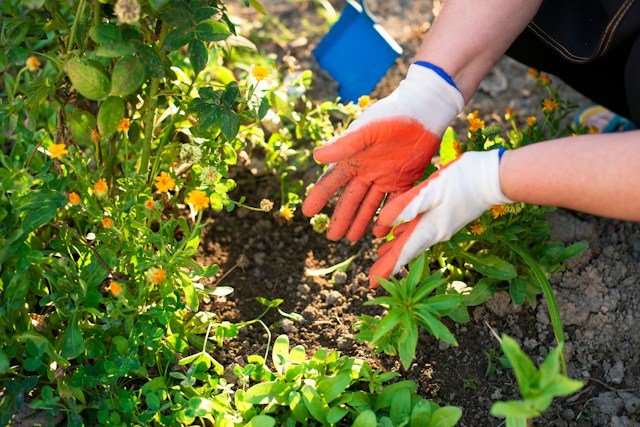
Snake plants are light feeders, which fits their overall low-maintenance reputation. Over-fertilizing is a far more common mistake than under-fertilizing with this particular plant.
A diluted, balanced liquid fertilizer applied once every 4 to 6 weeks during the growing season, spring through early fall, is plenty. Skip fertilizing entirely during fall and winter when growth naturally slows to a near standstill.
Based on my experience, I’ve gone entire years without fertilizing mine at all, and it never showed any obvious signs of suffering for it. If you want slightly faster growth, light feeding helps, but it’s genuinely optional rather than essential.
Propagation
Snake plants are refreshingly easy to propagate, which makes them a great plant to multiply or share with friends.
Leaf Cuttings in Water
- Cut a healthy leaf into several 2 to 3 inch sections, noting which end was closer to the base (this end goes down)
- Place the cut ends in a jar of water, submerged about an inch
- Change the water every week or two
- Roots typically develop within several weeks, followed eventually by small plantlets
Division
- Remove the plant from its pot and gently separate the root clusters by hand
- Each division should have a few leaves and some attached roots
- Pot each division separately in well-draining soil
Division is generally faster and more reliable than leaf cuttings, since you’re working with an already-established root system rather than waiting for one to form from scratch.
Common Problems and How to Fix Them
Even with such a forgiving plant, a handful of issues come up occasionally. Here’s what they usually mean.
- Mushy leaves: It is happening because of watering too much.Check the soil if it is dry or not. Check if the roots are rotting or not.
- Curling leaves: Usually underwatering, though this is less common. A thorough watering typically resolves it within a few days.
- Brown leaf tips: Can indicate low humidity, fluoride sensitive tap water or inconsistent watering. Try letting tap water sit out for 24 hours before use if this persists.
- Slow or stalled growth: Often simply a light issue. Moving the plant to a brighter spot usually helps, though keep in mind snake plants grow slowly even under ideal conditions.
- Pests like spider mites or mealybugs: Less common than with many houseplants but still possible. Check leaves occasionally and treat with insecticidal soap if spotted.
Final Thoughts
A snake plant might just be the most forgiving houseplant you’ll ever own, and that reputation is genuinely well deserved. Mine has survived neglect, inconsistent light, long trips away, and years of being treated as an afterthought, and it’s still here, still producing new leaves, still asking for almost nothing in return.
If you want a plant that rewards benign neglect rather than punishing it, this is probably the one. Water sparingly, give it whatever light your space naturally offers, and let it do what it’s been doing in dry, rocky regions for thousands of years without much help from anyone.
Frequently Asked Questions
1. How often should I water my snake plant?
Let the soil dry out completely between waterings, which often means every 2 to 6 weeks depending on light, humidity and season. This is far less frequent than most houseplants need. Overwatering is the leading cause of snake plant problems, so when in doubt, wait a bit longer before watering again.
2. Can snake plants really survive in low light?
Yes, snake plants tolerate low light remarkably well compared to most houseplants, making them popular for dim corners and offices. That said, they grow noticeably faster and healthier in bright, indirect light. Low light tolerance means survival, not necessarily thriving, so brighter conditions still produce better overall results.
3. Why are my snake plant’s leaves turning yellow and mushy?
This combination almost always points to overwatering and potential root rot. Check the soil moisture and roots directly, trim away any dark, mushy sections, and let the remaining soil dry out completely before watering again. Repotting into fresh, well-draining soil often helps if the issue is caught early enough.
4. Is it true that snake plants are good for bedrooms?
Snake plants are commonly recommended for bedrooms, partly due to their low-maintenance nature and partly because of claims about nighttime oxygen release that differ slightly from typical plant respiration. Regardless of that specific claim’s significance, they’re a genuinely easy, attractive, low-fuss choice for bedroom spaces with limited natural light.
5. How do I know when it’s time to repot my snake plant?
Snake plants actually prefer being somewhat rootbound, so repotting isn’t needed often, typically every 2 to 5 years. Signs it’s time include roots visibly circling the pot’s edges, roots pushing up through the soil surface, or the pot cracking from root pressure. Otherwise, it’s genuinely fine to leave it alone.