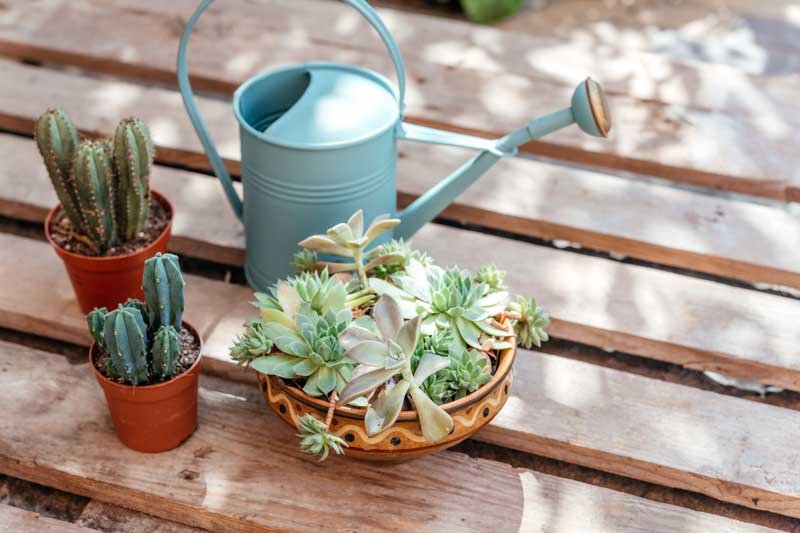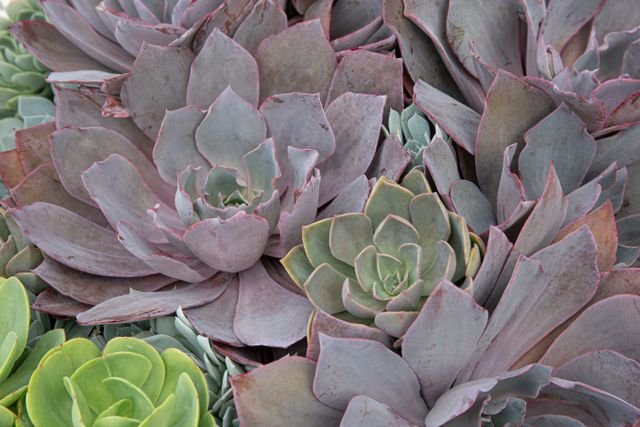
My roommate once caught me watering my echeveria every few days, genuinely thinking I was doing it a favor. She asked, half-joking, “are you trying to kill that thing?” I wasn’t, obviously, but the leaves had started going soft and translucent at the base, and I had no idea why until she explained that succulents basically want the opposite of what I was giving them.
That conversation sent me down a small rabbit hole of figuring out what “correct” watering actually looked like for these plants, and it turned out to be simpler than I expected, just completely counterintuitive if you’re used to caring for regular leafy houseplants.
If you’re staring at your succulent right now wondering whether today’s the day to water it, this guide breaks down exactly how often you actually should, and why the answer isn’t a fixed number.
Why There’s No Single Universal Answer
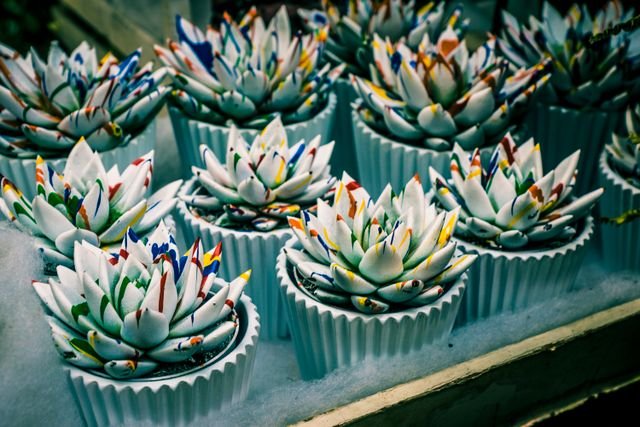
I wish I could hand you one clean number, like “water every 10 days,” and have it hold true across every succulent, every pot, and every home. It just doesn’t work that way, and honestly, any source promising a fixed schedule like that is setting you up for the same mistake I made with my echeveria.
The need of water depends on light levels, pot size,soil type and humidity level. A succulent in bright, hot direct sun might need water weekly. The same plant in a dimmer, cooler room might go three or four weeks between waterings without issue.
Based on my experience, the real skill isn’t memorizing a schedule, it’s learning to read the plant and soil directly, which becomes second nature pretty quickly once you get the hang of it.
The Soak and Dry Method
This is the core watering philosophy behind nearly all succulent care, and once I actually understood it, my watering habits shifted completely.
What It Means
Succulents want their soil to dry out completely between waterings, then receive a thorough, deep soak. This is different from how most houseplants prefer consistently slightly moist soil, and it’s exactly where beginners, myself included, tend to go wrong.
Why It Works This Way
Succulents come from dry desert regions where they store water in their thick leaves and stems to get through long stretches without rain. Their roots are used to a short burst of heavy moisture followed by a long dry spell and not a steady drip of water every few days.
How to Apply It
- Stay on hold until the soil becomes completely dry to the end of pot.
- Water it until the water starts coming out of drain holes.
- Let the pot become water fry and never leave it in standing waters.
- Stay on hold until dry again and repeat the process.
How to Check If It’s Actually Time to Water
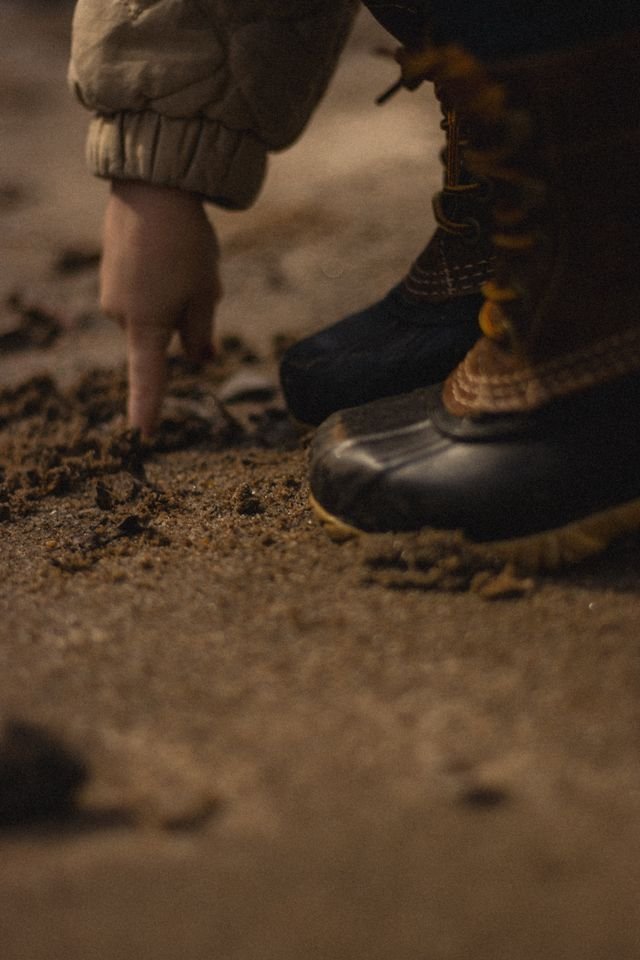
Rather than guessing or sticking to a calendar, checking the plant and soil directly removes nearly all the uncertainty.
The Finger Test
Put the finger into the soil about 2 to 3 inches. If it is damp then wait until it is dry all the way down.
The Leaf CheckMine always look chubby and tight when they’re doing well. When the leaves go a little soft or start to wrinkle I know it’s time for a drink. No need to panic about it.
The Weight Test
Dry soil makes the pot feel way lighter. Wet soil makes it feel heavy. I lifted my pots a few times right after watering and again a week later and now my hands just know. One quick lift and I can tell if it needs water or not.
Watering Frequency by Season
- Before you water, take a look at your plant and check the soil. This simple guide has worked for me and many other succulent growers.
- Spring and summer is the time when their growth bolts. I check the soil every week.I water it only when it seems totally dry and I give it good water.
- By fall everything slows down and your plant gets less thirsty. That’s when I stretch it out and check the soil every 2 to 3 weeks instead.
- Winter is rest time and your succulent hardly wants any water. Check every 3 to 4 weeks or even less if your room is cool or dim.
These numbers are starting points, not rigid rules. I’ve had winters where a particular succulent genuinely went over a month between waterings, simply because the room stayed cool and dim enough to slow everything down significantly.
Factors That Change How Often You Should Water
Since there’s no single universal number, understanding what shifts a succulent’s watering needs helps you make better judgment calls in your specific space.
Light Levels
More light generally means faster soil drying and more active growth, since the plant is photosynthesizing more and using water at a quicker rate. A succulent in bright, direct sun will typically need water more often than one in a dimmer spot.
Pot Size and Material
Pot size matters as small pots dry faster as they have less soil it it. Terracotta pots also dry faster as compared to plastic or ceramic pots. Terracotta pots are porous so water evaporates quickly.
Soil Composition
A cactus and succulent mix soil dries faster than regular potting soil. It is intentional to reduce the rist of root rot..
Humidity and Temperature
Dry, warm conditions pull moisture from soil much faster than cooler and more humid environments. Succulents kept outdoors during hot summer months needs more frequent watering than if kept indoors.
Specific Variety
Some succulents like certain cact can tolerate even longer dry stretches than typical leafy succulents like echeveria or jade plant. Researching your specific variety’s natural habitat gives a helpful clue about its general watering tolerance.
Signs of Overwatering
This is the mistake I made, and it’s worth catching early since root rot can progress quickly and become difficult to reverse.
Mushy, translucent or yellowing leaves, often starting at the base,
Leaves that feel soft or squishy rather than firm when gently touched,
A musty or sour smell coming from the soil,
Soil that stays visibly wet for far longer than expected between waterings,
Leaves dropping easily, sometimes with minimal contact,
If caught early let the soil dry completely and reduce watering frequency. If root is getting damaged there you may need to cut away affected parts and repot it into fresh soil.
Signs of Underwatering
Less common with succulents overall, given how well they tolerate dry conditions, but it does happen, particularly with fast-draining soil in very bright, hot environments.
Wrinkled, shriveled or deflated-looking leaves.
Leaves that feel noticeably thinner than their usual plump appearance.
Soil that’s been bone dry for an unusually extended period.
Overall dull, slightly shrunken appearance to the whole plant.
The good news is underwatering is generally easier and faster to correct than overwatering. A thorough soak typically restores plumpness within a day or two, assuming the plant hasn’t gone without water for an extremely prolonged stretch.
How to Water Succulents the Right Way
Knowing when to water is only half of it. How you water matters just as much.
Water deeply and never settle for little sips. Keep pouring until water runs out of the bottom so the roots all the way through get a proper soak.
les to full deep soaks made a big difference in how healthy the roots were and how plump the leaves looked.
Try to keep the leaf dry while you water.On plants like echeveria water that collects in the center can cause rot so pour it straight onto the soil instead.
Let the pot drain all the way. Never leave it sitting in a full saucer afterward.
Use room temperature water if you can since very cold water can slowly stress the roots.
I tried this on a bunch of different succulents and switching from light frequent sprink
Common Mistakes People Make
- I’ve made a couple of these myself, including the mistake that kicked off this whole guide.
- Watering on a fixed schedule, exactly like my original every-few-days habit, rather than checking soil dryness first
- Misting succulents like tropical houseplants, which doesn’t address their actual watering needs at all
- Using regular potting soil that stays heavy and soggy. It holds on to too much water and doesn’t work with the soak and dry method.
- Watering in small splashes every few days instead of one full soak now and then is a common slip. The soil stays a little damp all the time and never gets a real wet and dry cycle.
Final Thoughts
Watering succulents really comes down to unlearning the instinct most of us bring from caring for other houseplants. Less frequent, more thorough watering, paired with genuinely waiting for the soil to dry out completely, solves the vast majority of succulent problems before they start.
My echeveria recovered fully once I switched to this approach, by the way, plump leaves and all, no more soft, translucent base. If a plant I nearly loved to death can bounce back, yours has every chance too, once you let the soil do the talking instead of a calendar.
Frequently Asked Questions
1. How do I know for sure if my succulent needs water?
Check that the soil is completely dry, not just on the surface but several inches down or throughout smaller pots. Leaves that feel slightly soft or wrinkled are another reliable sign. Avoid watering based on a fixed schedule alone, since soil dryness varies significantly based on light, pot size and season.
2. Can a succulent recover from overwatering?
Check that the soil is completely dry and not just on top. Dig a few inches down or check all the way through smaller pots. Leaves that feel a little soft and wrinkled are another good sign. Do not water on fixed days alone. Soil dries at different speeds depending on light pot size and season.
3. Do succulents need less water in winter?
Yes, generally much less. Growth slows considerably during fall and winter due to lower light and cooler temperatures. That means succulents use water at a much slower rate during this period. Checking the soil before watering becomes especially important as overwatering risk rises when growth has naturally paused.
4. Why are my succulent’s leaves turning mushy even though I’m not watering often?
Even infrequent watering can cause problems if the soil itself doesn’t drain well or the pot lacks drainage holes.Trapping moisture around the roots regardless of how often you actually water. Check your soil type and pot setup since these factors matter just as much as watering frequency itself.
5. Is it okay to let succulents go without water for several weeks?
Yes, this is generally closer to what succulents actually prefer, given their natural tolerance for extended dry periods. Most varieties handle three to four weeks without water just fine, particularly during cooler, lower-light months. A brief vacation or busy stretch rarely causes any real harm to an established succulent.