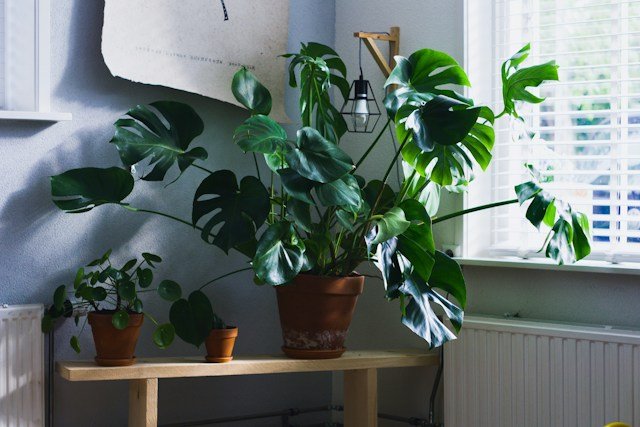
My apartment has exactly one window that faces a brick wall. For years I assumed that meant no plants, period. I killed a succulent in record time, mourned it briefly, and basically gave up on indoor greenery altogether.
Then a friend gave me a pothos cutting in a jar of water and said “just put it wherever it doesn’t care.” I stuck it on a bookshelf nowhere near that sad window forgot about it for weeks and came back to find it had actually grown roots and new leaves.. That one plant changed how I thought about low light entirely.
Turns out, a dim room isn’t a dead end. It’s just a different set of options. Below are 15 plants that genuinely thrive without much natural light, based on what’s actually worked in my own home and what tends to hold up well for most people.
What “Low Light” Actually Means
Before jumping into the list it actually helps to know what low light really looks like in an actual room because it’s not the same thing as “no light.”
Low light basically means a spot that’s a few feet away from a window a north-facing window with indirect light or even just a room that’s lit mostly by overhead lighting during the day. It’s definitely not a windowless closet though. Every single plant needs some amount of light to photosynthesize even the toughest ones on this list.
Based on my own experience there’s a pretty quick test that helps. If you can comfortably sit and read a book in that spot without needing to turn on a lamp during the day there’s probably just enough light for a low-light plant to survive even if it won’t exactly grow super fast there.
Plants 1-4: The Nearly Impossible to Kill
These are the plants I recommend to anyone who says “I kill everything,” because they genuinely tolerate neglect.
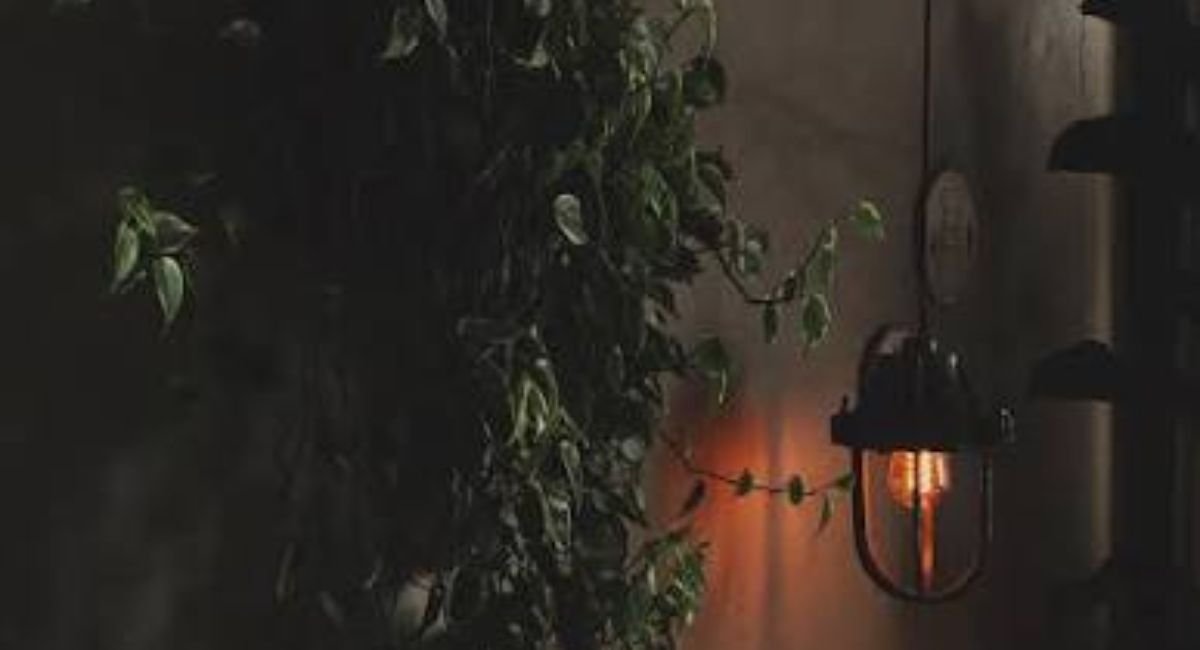
1. Pothos
This plant turned me to a plant person. Pothos has long trailing vines that are heartshaped leaves usually in green or pretty variegated patterns and it just handles low light irregular watering and plain old forgetfulness like a champ. And the best part? It roots super easily in water so if you ever want more for free just snip a piece and watch it grow.
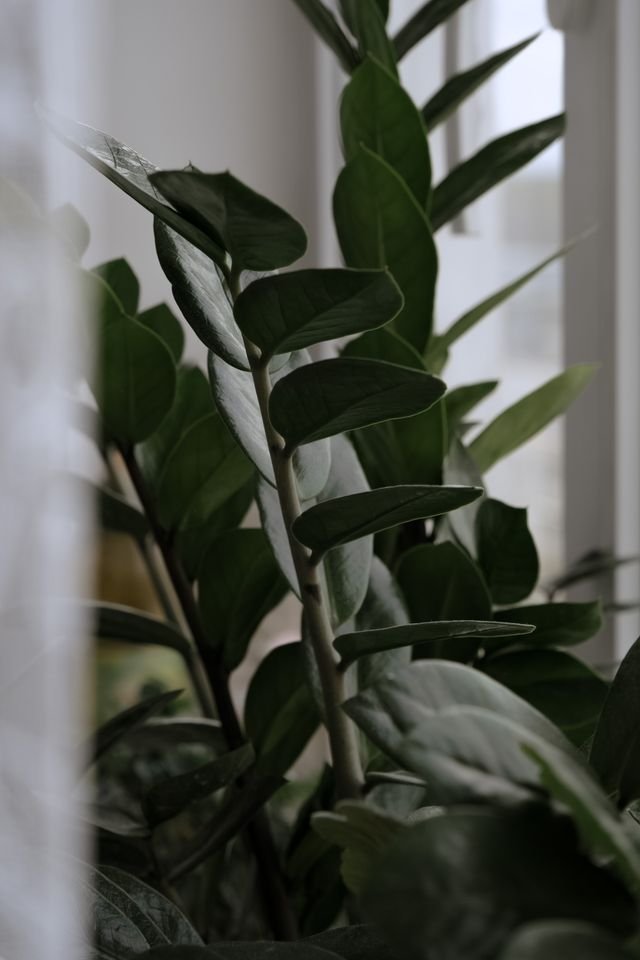
2. ZZ Plant
Glossy dark green leaves on thick stems that store water, which is exactly why this plant survives weeks of neglect. I’ve gone on vacation for two weeks and come back to a ZZ plant that looked exactly the same as when I left.
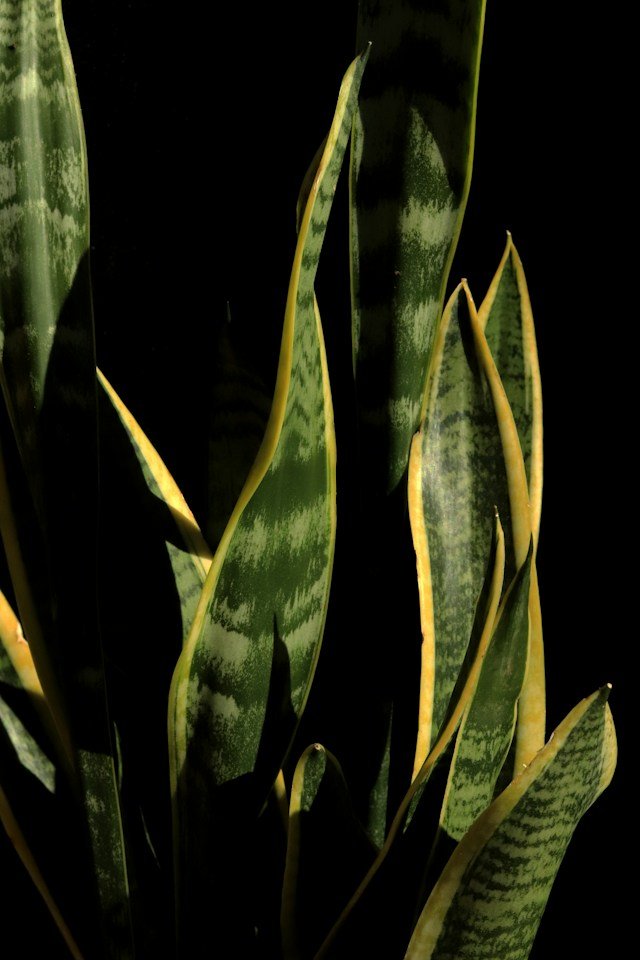
3. Snake Plant
Tall, stiff, swordlike leaves that make a bold visual statement with almost no effort. Snake plants tolerate low light, irregular watering and dry air better than almost anything else on this list, which is probably why they show up in so many offices.
4. Cast Iron Plant
As the name shows this plant is tough. Dark green, leathery leaves that hold up in dim corners. Drafty rooms and irregular care. It grows slowly, so patience is part of the deal, but it rarely dies outright.
Plants 5-8: Beautiful and Forgiving
These plants bring a bit more visual interest without demanding much in return.
5. Peace Lily
Peace lilies have glossy leaves and elegant white blooms, and they’re one of the few low-light plants that actually tell you when they’re thirsty. The leaves droop dramatically, then perk right back up within hours of watering, which makes them genuinely beginner-friendly.
6. Chinese Evergreen
Patterned leaves in shades of green, silver and sometimes pink, depending on the variety. Chinese evergreens handle low light well and add some actual color variation to a dim room, which a lot of low-light plants can’t offer.
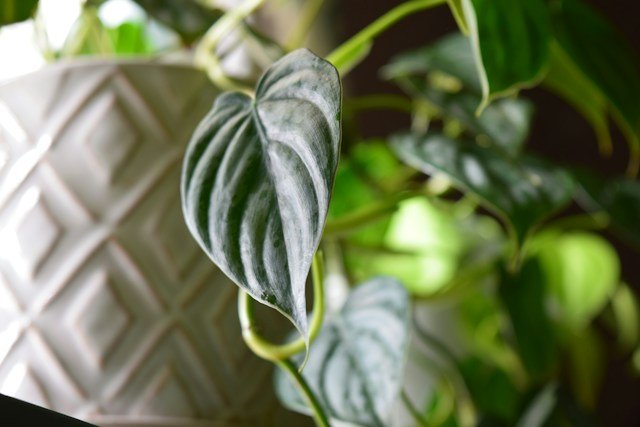
7. Philodendron (Heartleaf)
Similar in spirit to pothos, with trailing vines and heart-shaped leaves, though slightly glossier. It tolerates low light and inconsistent watering, and it looks great trailing from a shelf or hanging basket.
8. Dracaena
Several varieties of dracaena handle low light well, with tall, arching leaves that add height and structure to a room. They grow slowly but steadily, and mine has outlasted several apartment moves without complaint.
Plants 9-12: Great for Beginners
If you’re just starting out with houseplants, these are forgiving enough to build confidence without being boring.
9. Spider Plant
Spider plants produce long, arching leaves and little “babies” that dangle from the mother plant on thin stems. They tolerate low light reasonably well, though they’ll grow a bit slower and produce fewer babies than in brighter spots.
10. Parlor Palm
A compact, feathery palm that handles low light better than most palm varieties. It brings a soft, airy texture to a room and doesn’t demand the humidity that a lot of tropical plants need.
11. Maidenhair Fern (with caveats)
This one’s a bit trickier, since ferns generally like consistent moisture, but maidenhair ferns can handle lower light better than people expect, as long as humidity stays decent. I’ll admit this is the one plant on this list I’ve killed more than once, so go in with reasonable expectations.
12. Peperomia
Peperomias come in a surprising range of leaf shapes and textures, from smooth and glossy to deeply ridged. Most varieties tolerate low light well and stay compact, making them a great pick for smaller spaces like desks or shelves.
Plants 13-15: A Little More Character
These last three bring some personality to a low-light setup without being high-maintenance.
13. Calathea
Bold, patterned leaves that some varieties even fold up at night, almost like they’re going to sleep. Calatheas prefer low to medium light and consistent humidity, so they’re a step up in care but reward the effort with genuinely striking foliage.
14. English Ivy
Trailing, lobed leaves that work beautifully in hanging baskets or climbing a small trellis indoors. English ivy tolerates low light well, though it appreciates slightly cooler rooms and a bit more humidity than some of the toughest options on this list.
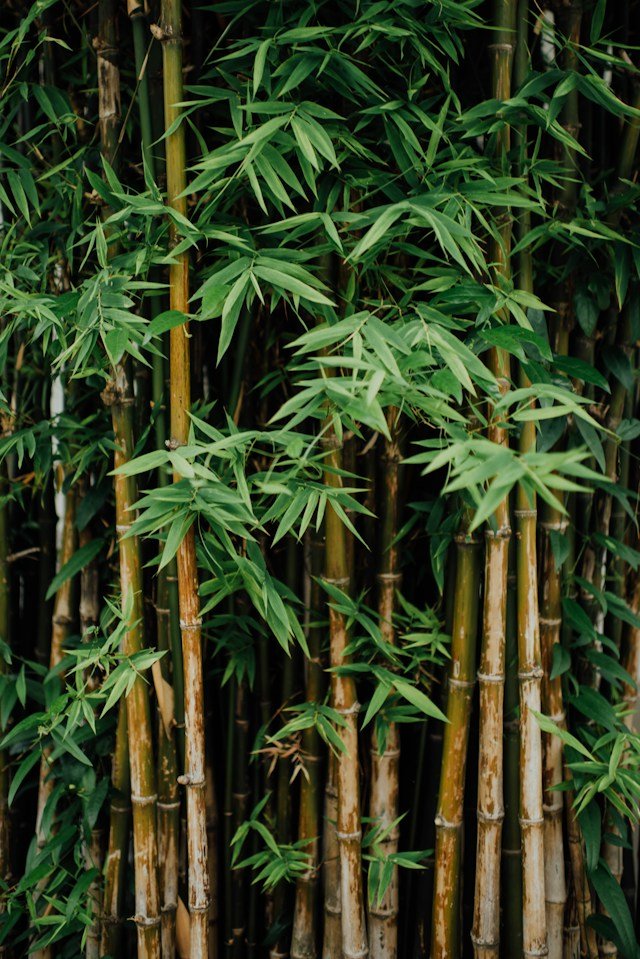
15. Lucky Bamboo
Technically not a bamboo at all, but a type of dracaena grown in water or soil. It tolerates low light extremely well and is often styled in decorative arrangements, making it a popular, low-effort choice for desks and shelves.
Caring for Low-Light Plants
Low light doesn’t mean no care. A few habits matter more in dim conditions than they would in a bright, Water it less often. Plants in low light use water way more slowly so letting the soil dry out between waterings helps prevent root rot which is honestly the most common way low-light plants actually end up dying.
Dust the leaves every now and then. Dust blocks whatever little light the plant’s already getting so just wiping the leaves down every few weeks genuinely makes a difference.
Rotate the pot oftenly. Even lowlight plants tend to lean toward whatever light source is around so giving it a turn now and then keeps the growth looking even all around.
Skip the heavy fertilizing. Since growth is slower in low light plants just don’t need as much feeding as they would in brighter conditions.
Choose the right pot. A pot with drainage holes matters even more here, since slow-drying soil in low light is a recipe for root rot.
After testing this myself across a genuinely dim apartment for a few years, the biggest lesson was simple: low-light plants fail far more often from overwatering than from lack of light.
Common Mistakes People Make
I’ve made a few of these myself, so take it from someone who’s been there.
- Assuming “low light” means “no light” at all. Every plant still needs some amount of light even the toughest ones out there so a pitch-black corner just isn’t going to work no matter what.
- Watering on a fixed schedule is another common trap. Low-light plants use water a lot slower so watering them every single Sunday regardless of how the soil actually looks usually ends up causing root rot down the line.
- Expecting fast growth is honestly just setting yourself up for disappointment. Low light naturally slows things down so you need way more patience here compared to sun-loving plants.
- Skipping drainage is a mistake that can really hurt you. Pots without drainage holes trap moisture inside and that’s especially risky in low-light conditions where the soil’s already drying out slowly to begin with.
- Ignoring pests is easy to do but you shouldn’t. Low-light plants can still attract pests like spider mites or mealybugs so it’s still worth doing the occasional leaf check just to be safe.
Final Thoughts
A dim apartment or a windowless office doesn’t mean you have to skip houseplants altogether. Some of the toughest, most rewarding plants out there genuinely prefer staying out of direct sun, and a few of them, honestly, do better the more you leave them alone.
Start with one or two from this list, somewhere you’ll actually notice and water occasionally. That pothos on my bookshelf is still going strong years later, tucked in a corner that gets maybe twenty minutes of indirect light a day. Sometimes the plants that ask for the least give back the most.
Frequently Asked Questions
1. Can any plant survive in a completely windowless room?
Most plants need at least some indirect natural light or a grow light to survive long-term, even the toughest varieties like ZZ plants or snake plants. In a truly windowless space, a simple LED grow light on a timer can make a real difference and open up far more plant options than natural light alone would allow.
2. How often should I water low-light indoor plants?
Less often than you’d think. Low-light plants use water more slowly since they’re growing at a reduced rate, so letting the top inch or two of soil dry out between waterings usually works well. Overwatering is the most common cause of death for low-light plants, far more than lack of light itself.
3. Why are my low-light plant’s leaves turning yellow?
Yellowing leaves usually point to overwatering rather than too little light, especially if the soil feels consistently damp. Check drainage, let the soil dry out more between waterings, and remove any mushy or yellowed leaves. If the whole plant looks pale rather than yellow in spots, it may genuinely need slightly more light.
4. Do low-light plants need fertilizer?
Yeah but way less than plants that are sitting in bright light since slower growth basically means they just don’t need as many nutrients. Feeding once every couple of months during the growing season with a diluted balanced fertilizer is usually more than enough. Honestly over-fertilizing low-light plants can actually do more harm than just skipping it altogether.irely.
5. Which low-light plant is best for a complete beginner?
Pothos and snake plants are pretty much widely known as the most forgiving options out there for beginners. Both of them tolerate inconsistent watering low light and general neglect remarkably well and they also show clear recoverable signs of stress instead of just dying on you suddenly out of nowhere. Honestly they’re an easy low-risk way to start building some real confidence with houseplants.