Introduction.
I killed my first Monstera in about six weeks. Overwatered it shoved in a dark corner and then panicked. When the leaves went yellow and turned to mush in my hands.Not my finest plant parent moment.
If you are here because your own Monstera looks a little rough right now take a breath. You are not alone and honestly this plant is a lot more forgiving than my first attempt gave it credit for.
Monstera deliciosa the Swiss cheese plant.If you have seen it labeled that way at the nursery has pretty much become the unofficial mascot of houseplant culture.You have probably spotted it on tote bags nursery signage and at least three Instagram feeds just this week. But underneath all that trendy leaf shape hype is a genuinely easy plant to grow.once you actually understand what it wants.
This guide is everything I have picked up over several years.A handful of plant casualties and a lot of trial and error along the way. No fluff no vague just water it sometimes advice just real practical stuff that actually works.
What Exactly Is a Monstera?
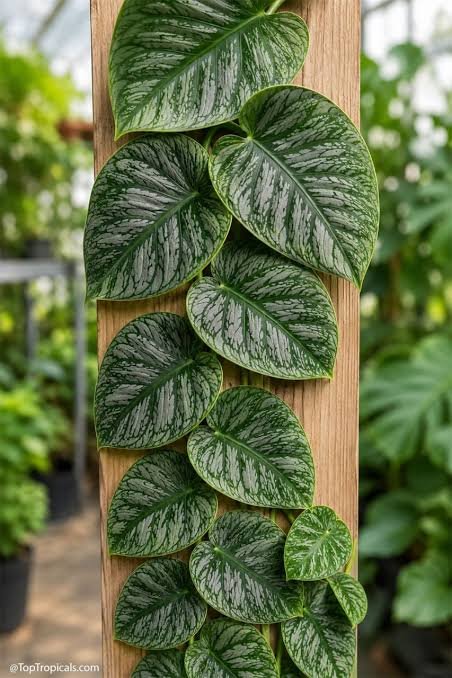
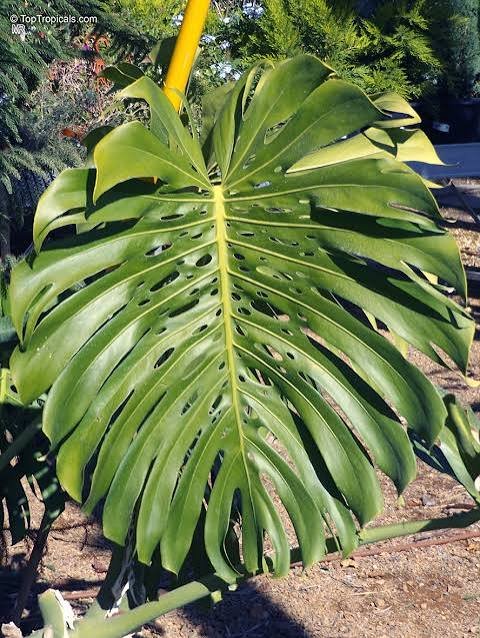
Monstera deliciosa actually comes from the rainforests of southern Mexico and Panama.Which honestly explains a lot about how it behaves indoors.In its natural habitat.It climbs up tree trunks using these thick aerial roots kind of grabbing on as it goes.That is actually the whole reason behind those famous split leaves.Botanists call them fenestrations but I just think of them as the plant’s vents.As the plant matures it develops these holes so sunlight can reach the leaves growing underneath it and so strong winds can pass right through instead of ripping the leaves apart.
Now obviously your Monstera is not climbing a rainforest tree in your living room. But it still has that instinct baked in give it something to climb like a moss pole and you will notice it responds well over time. One thing that trips up a lot of beginners it definitely tripped me up: Young Monstera plants usually start out with plain heart shaped leaves that do not have any splits at all. If yours looks like that right now.You have not done anything wrong.Those iconic holes take time to show up they come with maturity and enough light not overnight.

SobiaSamisobisobiasami@gmail.comEdit Profile
There are few popular varieties worth knowing:

Monstera deliciosa.Classic big glossy leave with splits
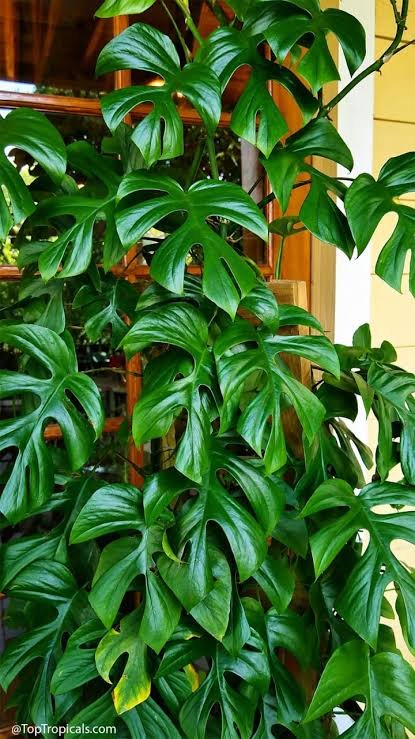
Monstera adansonii.Smaller leaves with more holes than solid leaf vining and delicate
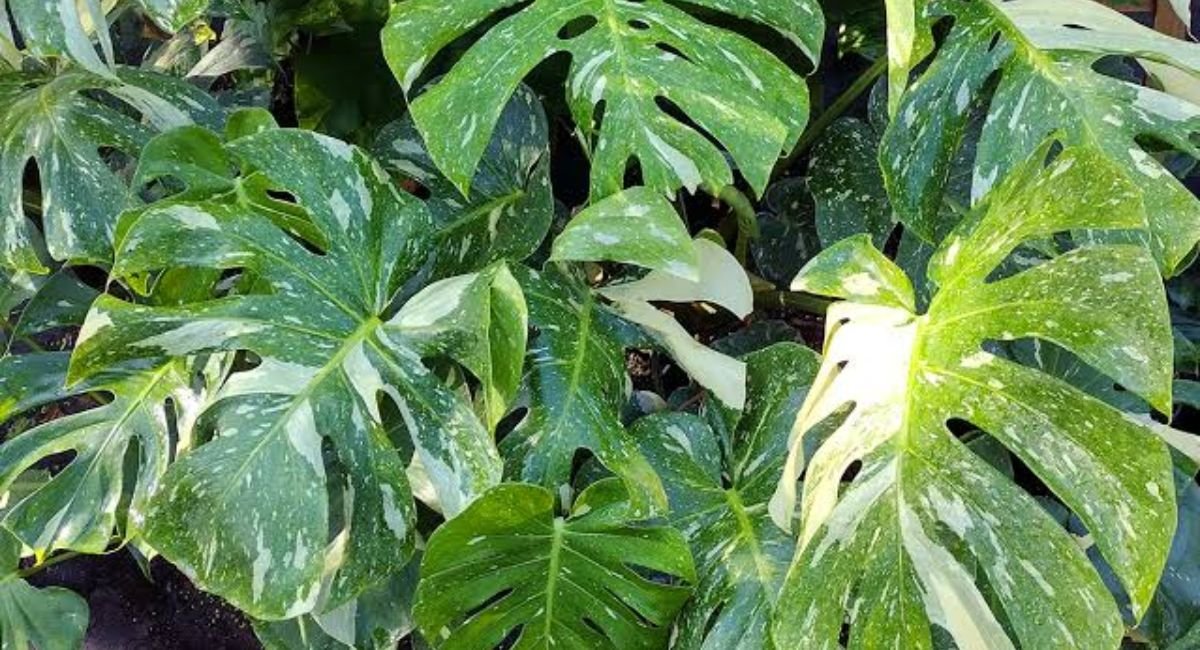
A variegated pricier variety with white patches gorgeous but fussier
For this guide.I’m mostly talking about the standard deliciosa since that is what most beginners start with.
Light Requirements,
This is where most people go wrong myself included. Monstera plants want bright indirect light not direct sun blasting through a window and definitely not a dim corner. Where it never sees the sun at all.
Based on my experience.An east facing window is close to perfect. Morning light is gentle enough not to scorch the leaves but strong enough to keep plant actively growing. A few feet back from a south west window also work well as long as direct rays are not hitting the leaves for hours at a time.
Indications .
Small sparse leaves with no fenestrations
Leggy stems reaching toward a window
Slow or stalled growth for months
Crispy brown patches on the leaf edges
Faded washed out leaf color
Leaves that feel dry papery to the touch
If natural light. just is not available in your space simple grow light on a timer for about 10 12 hours a day works surprisingly well. I have used one through a rough winter and honestly could not tell much difference in growth.
Watering Schedule and Technique
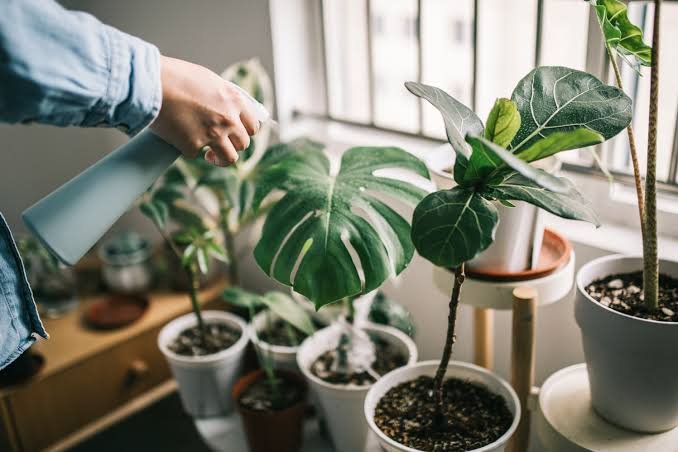
Here is the truth nobody tells beginners:There is no magic water every X days rule. It depends on your pot size soil humidity and season. What actually matter checking soil not the calendar.
My rule of thumb stick a finger about two inches into the soil. It is dry at depth water. If is still damp wait few more days and check again.
A simple watering routine that is worked for me:
Here is my actual watering routine refined after way too many trial runs:
Stick a finger about two inches into the soil grab a cheap moisture meter if you are the type who likes hard numbers instead of guesswork.
When you do water. Water it soak thoroughly until you see water draining out bottom of the pot
Then dump out whatever collects in the saucer.This part matters more than people think roots sitting in standing water is basically an invitation for rot.
Let the top couple inches dry out completely before you even think about watering again.
In the warmer months this usually works out to about once a week for me.But come winter everything slows way down. Sometimes I go two even three weeks between waterings.Simply because the plant is not actively growing and does not need the extra moisture.
If there is one lesson. I learned the hard way it’s this: overwatering is hands down the biggest reason Monsteras die.Root rot does not announce itself it creeps in quietly and by the time you notice.It is already done damage that is tough to undo.So whenever I’m on the fence about whether to water.I just..wait one more day. A slightly thirsty Monstera bounces back fine. A drowning one usually does not.
Soil and Potting.
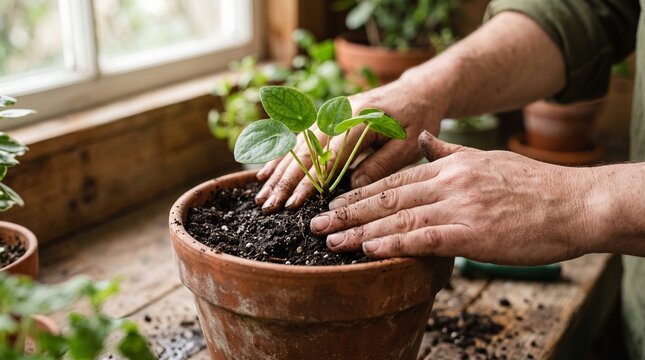
If there is one thing Monsteras absolutely cannot stand.it is sitting in heavy waterlogged soil.Think about where this plant actually comes from loose chunky rainforest floor litter not dense potting mix packed tight in a plastic pot. Give it same airy feel and rewards you for it.
Here is the mix that is worked best for me hands down:
2 parts regular indoor potting mix
1 part orchid bark
1 part perlite
This combo basically lets the roots breathe. Air moves through it water passes through fast instead of pooling at the bottom and the roots stay happy instead of drowning. If mixing your own sounds like too much effort no shame in that most garden centers now sell ready made aroid mix bags that do the job just fine straight out of the bag.
Pots matter just as much as soil honestly. Non negotiable rule: always pick one with a drainage hole.I do not care how pretty the pot is if water can not escape.It’s not the right home for this plant. Fell in love with a decorative pot that does not have one. Fine just use it as an outer shell and keep the actual plant in a plain nursery pot tucked inside.
As for repotting. Once every 1, 2 years is usually enough. You will know it is time when roots start poking out the drainage hole circling around the top of the soil like they are looking for an exit.
Humidity Temperature.
Since this plant hails from a tropical rainforest.It is naturally wired to enjoy humidity around 60% higher. But here is the honest truth mine has done perfectly fine in regular household humidity.Which usually sits somewhere around 40-50%. It’s not the diva you’d expect. That said, I will say this: give it a bit more moisture in the air and you will actually see the growth speed up noticeably.
A few low effort ways to bump up humidity without spending a fortune on equipment:
Cluster your plants together.They naturally release moisture creating a little humid pocket around each other
Set the pot on a pebble tray filled with water just make sure the pot itself is not sitting directly in the water
Run small humidifier nearby especially during those dry winter month. When indoor heating suck all the moisture out of the air
As for temperature aim to keep thing between 65-85°F (18-29°C). Steer clear of cold draft near window door during winter and keep your Monstera away from heating vents.They dry out the air fast. Honestly sudden temperature swing stress this plant out way more than people realize so consistency matters more than hitting some perfect number.
Feeding Your Monstera
Confession time: for the first two years of owning my Monstera.I basically never fed it. Just. did not bother. Then I finally started using a balanced liquid houseplant fertilizer every 4 6 weeks during spring and summer its active growing season and honestly. The difference floored me. Growth speed pretty much doubled. I wish I would started sooner.
Come fall and winter though.I dial it way back either stopping completely feeding at most once every couple months. The plant is not actively growing during this stretch and pushing extra fertilizer on it when it is basically resting can actually burn the roots instead of helping.
One thing I would tell any beginner: resist the urge to think more must be better.It is not. Follow the dilution instructions on the bottle.Honestly go even weaker than what is recommended. Monsteras genuinely respond better to a little and often. Approach than one heavy monthly dose that shock system.
Common Problem how to Fix Them.
Every plant parent runs into issues eventually. Here are the ones I have personally dealt with plus what actually fixed them.
Yellow Leaves.
Usually overwatering. Check roots if they are brown and mushy instead of firm and white.You are dealing with root rot.Trim away damaged roots repot in fresh dry soil and cut back on watering.
Brown Crispy Edges.
Typically low humidity too much direct sun. Move the plant back from harsh light and consider humidity boost.
No Fenestrations.Leaf Splits.
This one had me confused for months.It usually just means the plant is young or not getting enough light. Fenestrations develop with maturity brighter condition patience is genuinely the fix here.
Pests.
Spider mites mealybugs are most common culprit. Wipe leave down with a damp cloth regularly and if you spot pests. treat with insecticidal soap or neem oil every week until they are gone.
Pruning, Support, and Propagation.
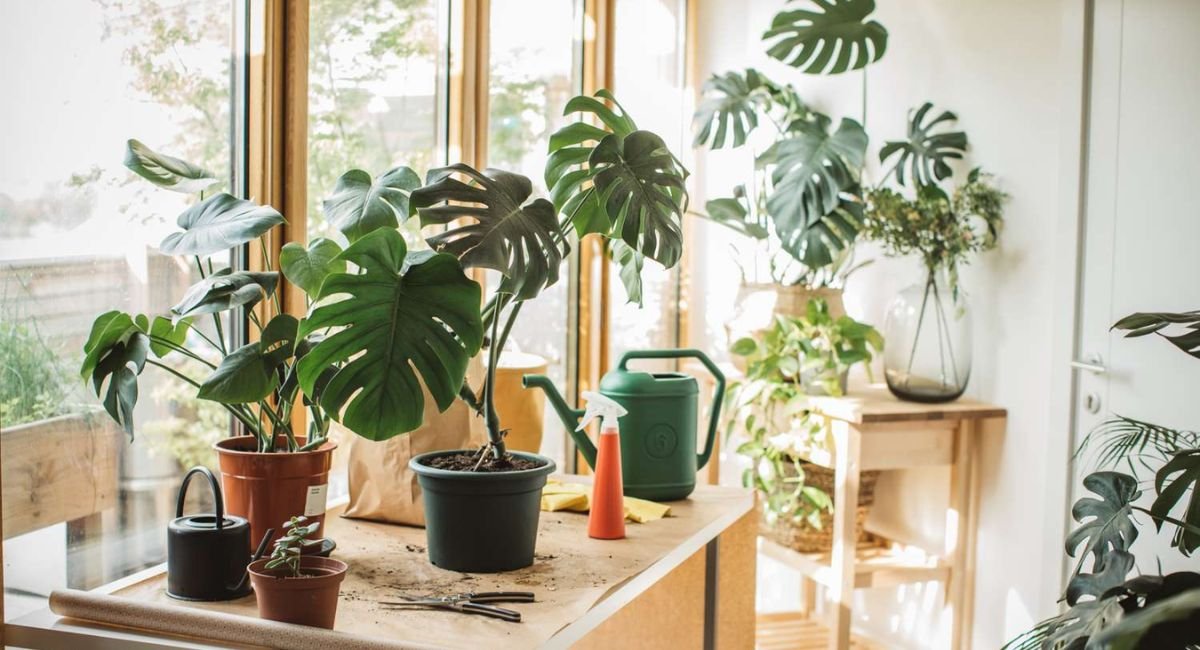
Here is something nobody tells you when you buy that cute little Monstera at the nursery.It does not stay little.Eventually it is going to need some real guidance and that is where a moss pole or trellis comes in. Give those aerial roots something to actually grip onto and you will notice the leaves grow noticeably bigger and more mature compared to a plant just left to sprawl and flop over the pot’s edge.
Pruning on the other hand is optional but I would still recommend it.Trimming back leggy awkward stems keeps the whole plant looking fuller and way easier to manage. And honestly? Don’t be precious about it.Cut with confidence. Monsteras are tough and they bounce back from a trim faster than you would expect.
Now.Propagation this is genuinely one of my favorite parts of owning this plant. There is something oddly satisfying about turning one cutting into a whole new plant for free. Here is how I do it:
Look for a stem node that little bump where a leaf connects to the stem ideally one with an aerial root nearby
Using clean sharp scissors make your cut just below that node.
Drop the cutting into a jar of water straight into moist soil if you would rather skip that step.
Given the right condition roots usually show up within 2, 4 weeks
I have probably handed out a dozen Monstera cuttings to friends over the years.birthday gifts housewarming presents.You name it and every single one has rooted without any drama. It is honestly one of easiest plants to share.
Common Mistake Beginners Make.
Since this is a beginners guide. lets cover the mistakes I see and made most often:
Watering on fixed schedule instead of checking soil moisture
Placing the plant dark corner because it looks nice there.
Using dense potting soil that holds too much water.
Ignoring pests until infestations get out of hand.
Repotting way too often.Which stresses the roots unnecessarily
Panicking over one yellow leaf instead of assessing overall plant health
If you avoid just the first two on this list.You will already be ahead of where I was starting out.
Final Thoughts.
Monstera plants have earned their popularity they are genuinely rewarding to grow.Forgiving of the occasional slip up and dramatic enough in leaf shape to make any room feel more alive.After testing this myself across multiple plants and more mistakes than I would like to admit the pattern is always the same: bright indirect light do not overwater and give it time to mature.
If your Monstera is struggling right now do not give up on it. Adjust one thing at a time watch how it respond over couple weeks and trust the process. Plant are more resilient than we give them credit for and so are you as plant parent even if week one felt like disaster.
Question Answers.
How often should I water my Monstera.
There is no fixed number of days it depend on your home humidity light level and pot size. A safer approach is checking the top two inches of soil with your finger only watering once it feel dry. In most homes this ends up being roughly once week during summer and every two to three week in winter.
Why is not my Monstera developing the signature leaf split.
Fenestration the hole and splits in mature leave typically show up once the plant is older and receiving strong indirect light. Young plant almost always start with solid unsplit leave so this is completely normal. Increasing light exposure gradually and being patient usually solves it within a few growth cycles.
Can Monstera plants survive in low light.
They can technically survive in lower light.But they won’t thrive there. Growth slows down significantly leaves stay smaller and fenestrations rarely develop. For the healthiest results aim for bright indirect light such as a spot near an east facing window.