Introduction,
I killed my first Monstera in about six weeks. I’m not proud of it, but I think about that sad, yellowing plant every time someone tells me Monsteras are “impossible to kill.” They are not impossible to kill — I did it, and I did it fast. I over watered it because I thought more water equal more love and it rotted from the roots up before. I even knew what was happening.
That was four years ago. I now have three Monsteras in my apartment. One of which has leaves bigger than my head and I have learned pretty much everything hard way. This guide what I wish someone had handed me back then instead of letting me drown poor plant.
Why Monsteras Are So Popular.
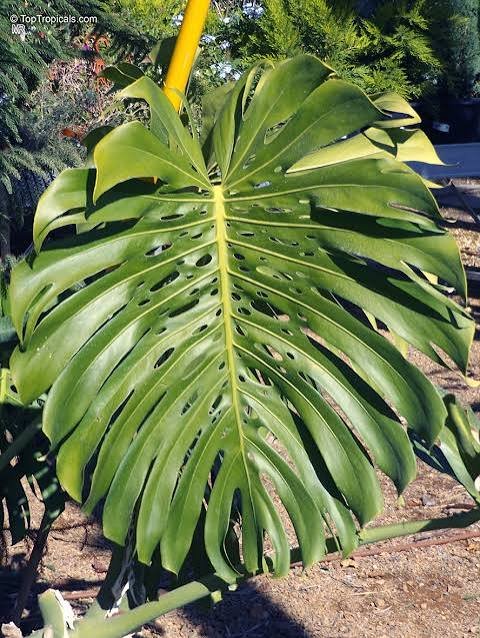
Monstera deliciosa is basically the poster child of houseplant culture at this point. Those iconic split leaves show up on everything from tote bags to nursery wallpaper.
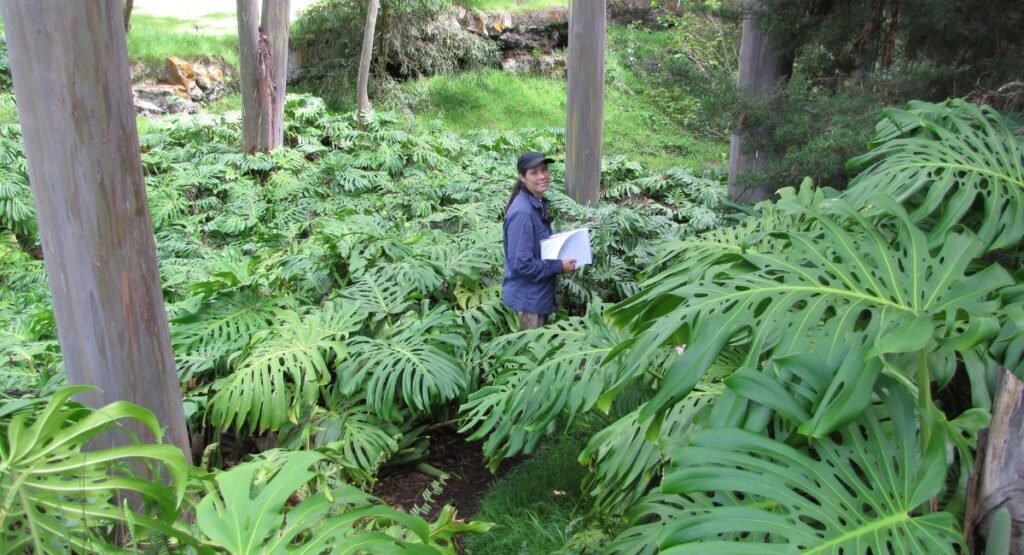
In its native habitat — the tropical forests of Central America — it climbs trees, gets filtered light through a thick canopy, and lives in humid, warm air pretty much year-round. Our homes are… not that.
That mismatch is exactly why so many indoor Monsteras struggle. We stick them in dim corners, forget to water them for three weeks then panic and overwater. Based on my experience, most Monstera problems come down to fighting against. What the plant naturally wants instead of working with it.
Light Requirements That Actually Work.
This one trips up almost everyone myself included. I used to think “bright light” meant direct sun blasting through my window all afternoon. Wrong move — I scorched a leaf so badly it looked like someone had taken a lighter to it.
Monsteras want bright indirect light. Think dappled forest floor not desert.
East-facing windows are usually ideal — gentle morning sun.
South or west facing windows work too. but keep the plant a few feet back use a sheer curtain.
North facing rooms often are not bright enough on their own unless the space is very open.
If your Monstera’s leave stay small and the gaps between leave the internodes get long and stretched out that is called legginess.and it usually means it wants more light. After testing this myself across different rooms in my apartment. I noticed dramatic differences in leaf size just from moving one plant closer to an east window.
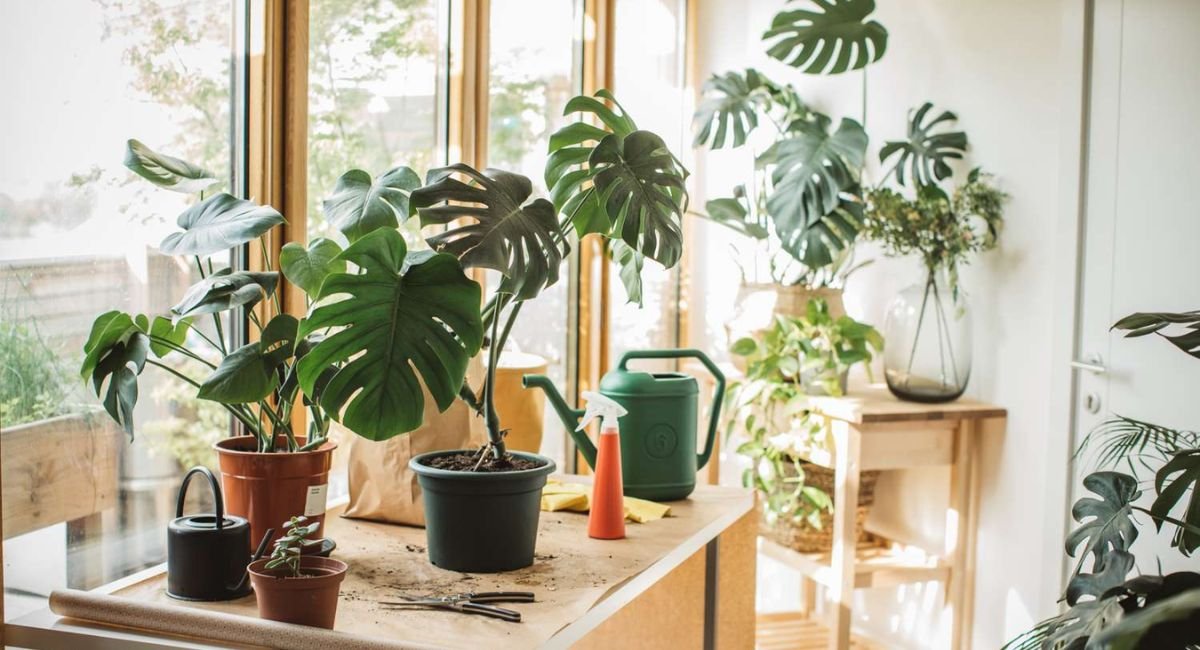
A Monstera plant positioned near a bright east-facing window with natural light streaming in: “Monstera deliciosa plant care near bright indirect light window”
Watering: The Number One Killer.
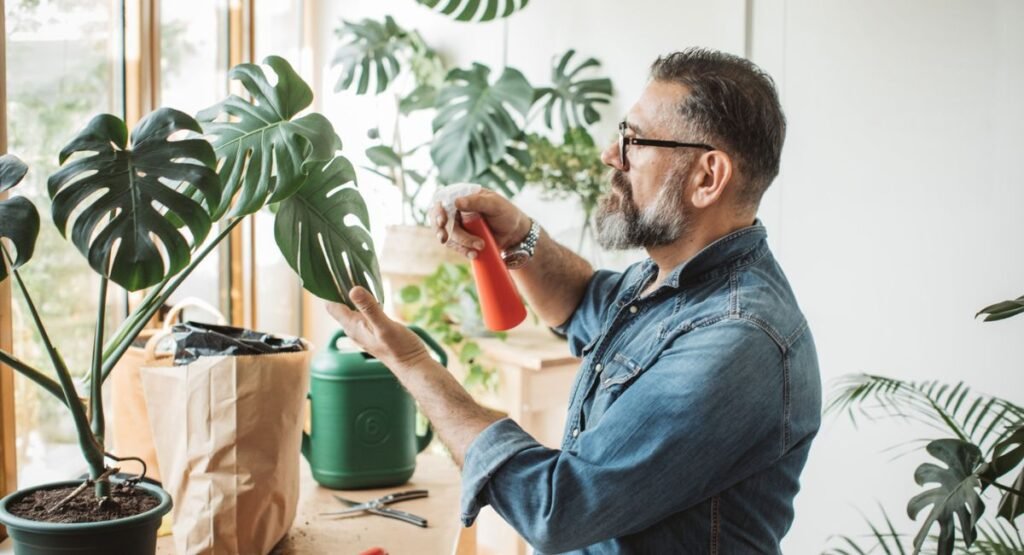
Let’s talk about the mistake that gets almost every beginner, including past me. Overwatering kills more Monsteras than anything else combined — neglect, pests, low light, all of it.
Here’s the thing nobody tells you: Monsteras don’t want to be watered on a schedule. They want to be watered based on how dry the soil.
1.How to Check your monstera Needs Water.
2.Stick your finger about two inch into the soil.
3.If it is still damp wait few more days and check again.
4.I know it sounds fussy but it genuinely takes ten seconds and saves your plant’s life.
When you do water do it properly water until it runs out of the drainage hole. Then let the pot drain completely. Never let your Monstera sit in saucer full of standing water.
That is basically an invitation for root rot and root rot is sneaky because by the time you notice yellow leaves, the damage is often already done underground.
Generally watering every (1 2) weeks works for most home. But honestly, that number means very little without knowing your light humidity and pot size. Trust the finger test more than any calendar.
Soil and Potting Basics.
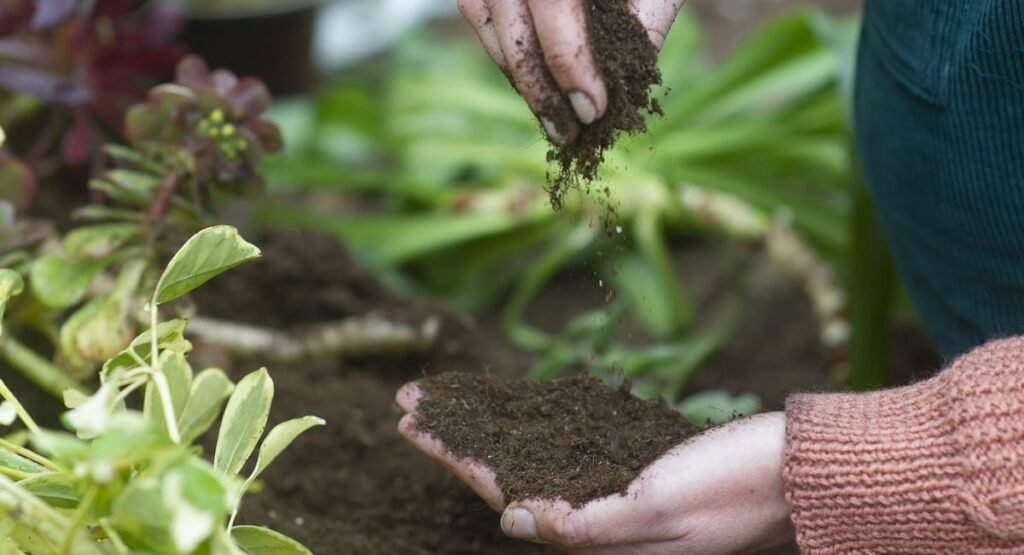
Regular potting soil straight from the bag tends to hold way too much water for Monstera’s taste. Their roots want air pockets and quick drainage mimicking that loose, organic forest floor they would naturally grow in.
A solid DIY mix I use:
2 parts regular potting soil
1 part perlite.
1 part orchid bark.
This combo drain fast but still holds enough moisture to keep roots happy between watering. Some folks add handful of horticultural charcoal too. Which helps keep things fresh and reduces odor if you’re a bit heavy-handed with watering guilty.
As for pots always, always use one drainage hole. I do not care how cute that ceramic pot without a hole is; it is a death trap unless you are using it as a decorative outer cover with a plastic nursery pot inside. Repot every 1–2 years. when you see roots poking out of the drainage holes or circling the surface.
Humidity Temperature Needs.
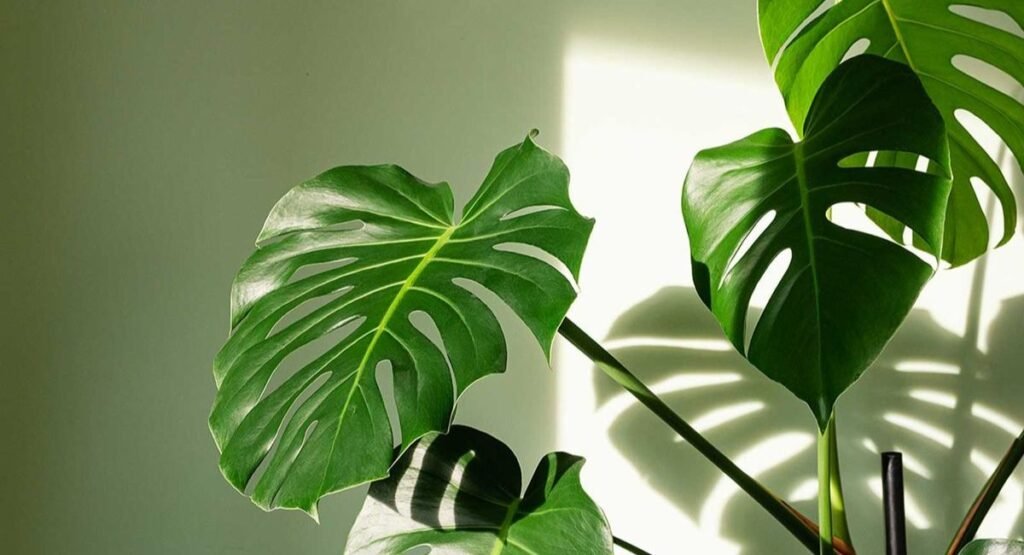
Monsteras are tropical plants at heart. So they genuinely appreciate humidity above the average dry indoor air especially in winter. When heaters are running.
Ideal humidity sit. Some where around 60% higher most Monstera tolerate typical house hold humidity (40 50%).
Ideal temperature (65,85°F_ 18, 29°C).
Keep them away from cold draft AC vents and heating register.
I do not run humidifier specifically for mine but. I do group my plant together. Which naturally raises humidity around them bit. Misting is fine as light boost. but it is honestly more of a feel good ritual than a real humidity fix effect fades within minutes.
If you notice crispy brown edges on leaves that is often a sign the air is too dry or the plant needs watering more consistently not necessarily both so check each separately.
Feeding Your Monstera the Right Way.
Monsteras are not heavy feeder but a little fertilizer during the growing season make noticeable difference in leaf size that coveted fenestration the splits and hole in mature leaves.
1.Feed monthly during spring and summer with balance liquid house plant fertilizer diluted half strength.
2.Skip fertilizing in fall and winter. When growth naturally slows down.
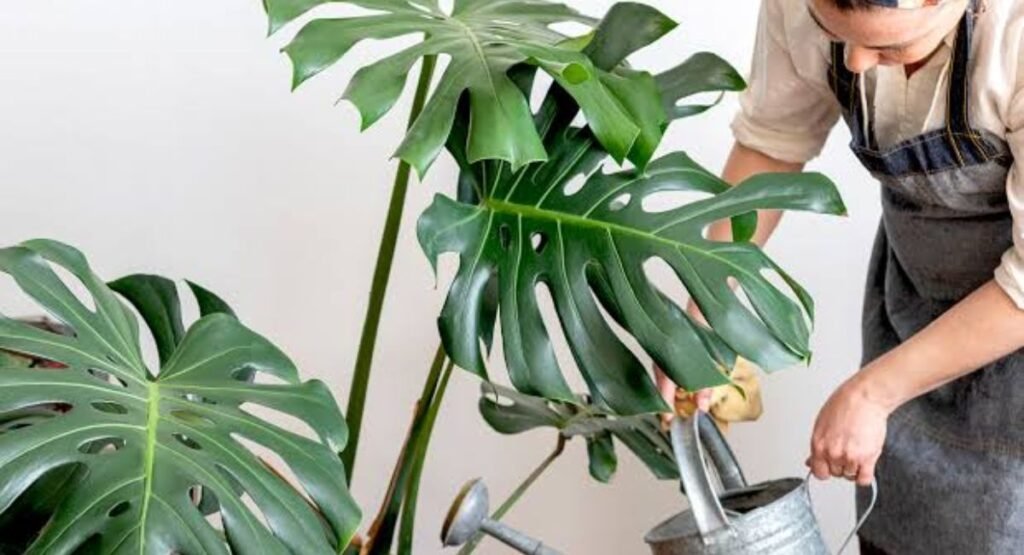
3. Over-fertilizing can cause brown crispy leaf tips — a mistake I made by getting a little too enthusiastic one spring.
4. Less is genuinely more here. Hungry Monstera recover lot faster than an over fertilized one with burned roots.
Common Problems and How to Fix Them.
Every Monstera owner runs into at least one of these eventually. Here is a quick breakdown of what I have dealt with personally.
Yellow Leaves.
Usually over watering. Check the roots — if they are mushy or brown instead of firm and white, you are dealing with root rot and need to trim away the damaged part immediately.
No Fenestration Splits.
Young Monsteras do not split at first — that is totally normal. Splits typically show up once the plant matures and gets enough light. Patience and bright light are real fix here not fertilizer.
Brown Crispy Edges.
Often low humidity inconsistent watering especially. if the plant dries out completely between watering for extend period.
Pests.
Spider mites and mealybugs are usual suspect. Wipe leaves down with a damp cloth regularly and treat with insecticidal soap or neem oil. if you spot webbing little cottony clusters.
Pruning, Support, and Propagation.
Monsteras are natural climbers so giving them something to climb — like a moss pole — actually encourages bigger more mature leaves with more fenestration. Without support. They tend to sprawl produce smaller leaves.
Pruning is simple: snip off any yellow damaged overly leggy stems. just above a node using clean, sharp scissors.
Propagation is one of the most satisfying part of Monstera ownership honestly.
1.Cut a stem section with at least one leaf
2. Place it in water moist sphagnum moss.
3. Wait for roots to develop usually 3–6 weeks.
4. Pot it up once roots are a couple inches long.
Close-up of Monstera root developing in a glass jar of water during propagation : “Monstera propagation in water showing new root growth”
A mature Monstera leaf with deep splits and fenestrations climbing a moss pole : “Mature Monstera deliciosa leaf with fenestration climbing moss pole support”
Final Thoughts.
Monsteras are not fussy divas, but they are not totally hands-off either — they just want consistency more than perfection. Once you get feel for your specific space (your light, your humidity, your watering rhythm), they genuinely. Become one of the more forgiving plant you can own.
My advice? Start with one plant pay attention to how it responds, and do not panic over every yellow leaf. I promise, once you find the rhythm, you will be propagating cuttings for friends before you know it — and maybe bragging a little too much about your fenestration.
Question Answers.
How often should I water my Monstera?
Honestly, I wish there was a clean answer here, but there isn’t — it depends on your light, your pot, how humid your place is, all of it. What I actually do is just stick my finger in the soil once a week and see where it’s at. If the top two inches are dry, it’s go time. For most people that ends up being somewhere between 7 and 14 days, but I’d trust your finger over any app reminder.
Why are my Monstera’s leaves not splitting?
First thing — don’t panic, this is super normal for younger plants. Mine didn’t split at all for almost two years. Splitting (fenestration, if you want the fancy word) usually kicks in once the plant’s matured a bit and it’s getting solid bright, indirect light, ideally with something to climb like a pole or trellis. If your plants older and still not splitting low light is almost always culprit.
Can Monstera survive in low light?
Survive, sure. Thrive, not really. In low light you will usually get smaller leaves slower growth, and basically zero splitting — mine sat in dim hallway for a bit and just kind of sulked. If bright light is not an option where you live a cheap grow light genuinely make a noticeable difference.
Is Monstera toxic to pets?
Yeah, unfortunately — Monstera deliciosa has calcium oxalate crystals in it, which are toxic to both cats and dogs if they chew on it. You’ll usually see mouth irritation, drooling, maybe vomiting if they get into it. If you’ve got a plant-nibbling pet, either keep it somewhere they truly can’t reach, or honestly just go with a pet-safe plant instead — not worth the stress.