
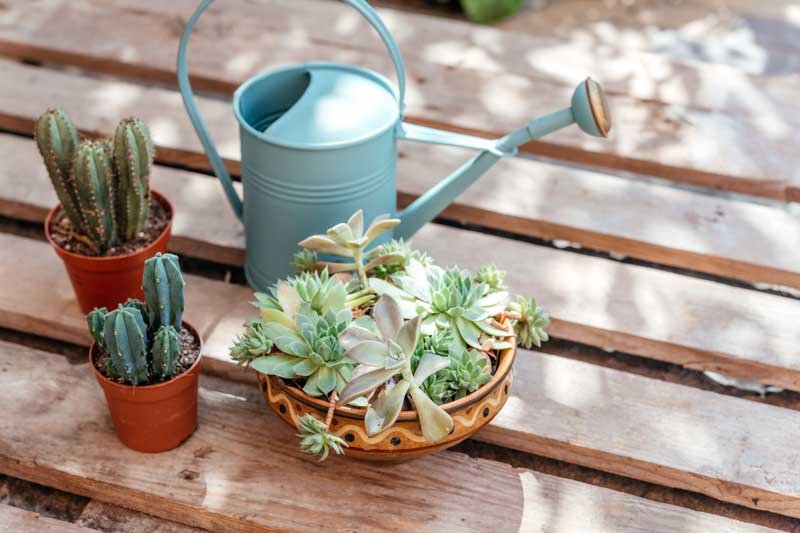
Introduction,
So, funny story — my very first succulent died in under a month, and it wasn’t even my fault. Okay, it was totally my fault.. I was so proud of that little echeveria bought it at a farmer market. Put it on my kitchen windowsill, and then loved it to death. Literally. I watered it every single day because that is what I did with every other plant I owned and within a month it turned to mush. A sad, translucent water logged mush.
Turns out that is the single most common way people kill succulents. Not neglect — over care. It took me a good year of trial error, and a few more funerals. Before I actually understood what these plants want. So if you are standing in your kitchen right now with a watering can in hand, wondering if today is the day — let is figure this out together.
Why Succulent Watering Is So Different From Other Plants.
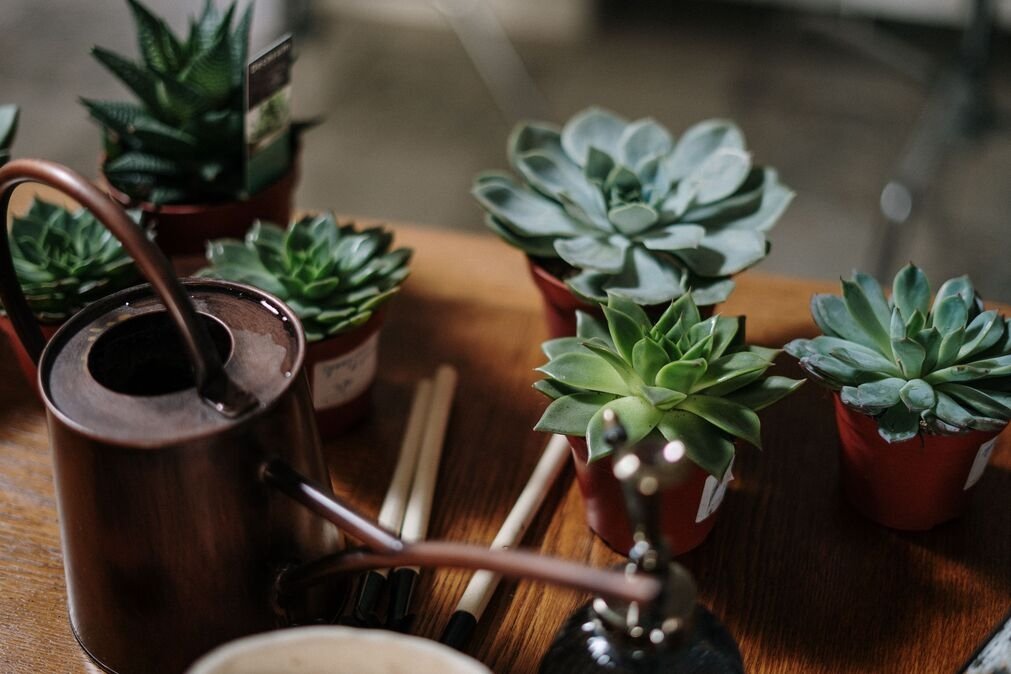
Succulents are not like your average houseplant. They evolved in arid, drought-prone environments — think deserts, rocky cliffs, and dry grasslands — which means their whole biology is built around storing water, not constantly drinking it.
Those thick, fleshy leaves? That is basically a built in canteen. The plant fills them up when waters available and slowly draws from that reserve during dry spells.
So when you water a succulent daily like a fern or pothos, you are essentially force-feeding a camel at every rest stop. It does not need it, and honestly, it can not process it. The roots sit in soggy soil, oxygen gets cut off, and rot sets in fast.
Based on my experience and my graveyard of dead echeverias understanding this one fact changes everything about how you approach care.
Close up of healthy plump succulent leave. healthy succulent leave showing proper hydration and watering routine.
Short Answer: How Often to Water.
If you want a number here it is: most succulents do well watered every 1 to 2 weeks indoors and sometimes even less in cooler months.
But I will be honest — that is a starting point, not a rule carved in stone. I have tested this myself across different seasons, pot types, and succulent varieties, and the “right” schedule shifts constantly.
A better approach than counting days is learning to read the plant and the soil. That is the actual skill here and once you get it, you will rarely kill another succulent again.
A few general starting benchmarks:
Indoor succulents average home: every 10–14 days.
Outdoor succulents in full sun: every 7–10 days during hot months.
Succulents in winter dormancy: every 3–4 weeks, sometimes longer.
Succulents in terrariums closed container: far less often sometimes monthly.
Think of these as rough guardrail not gospel.
Signs Your Succulent Needs Water.
This is honestly more reliable than any calendar reminder. Your plant will tell you.it needs if you pay attention.
Look for these cues:
Leaves start to wrinkle or pucker — this is the plant tapping into its internal reserves.
Soil feel bone dry at least an inch or two down.
Leave lose their plump glossy look and start looking slightly deflated.
Color dull slightly especially on species like Sedum Echeveria.
I check mine by literally sticking my finger into the soil. If it is dry all the way down to the second knuckle that is my cue. Low tech it works every time.
Signs You’re Overwatering.
This one matters more, honestly, because overwatering is what kills most succulents — not underwatering.
Watch out for:
Mushy, translucent, yellowing leaves — this is the big one.
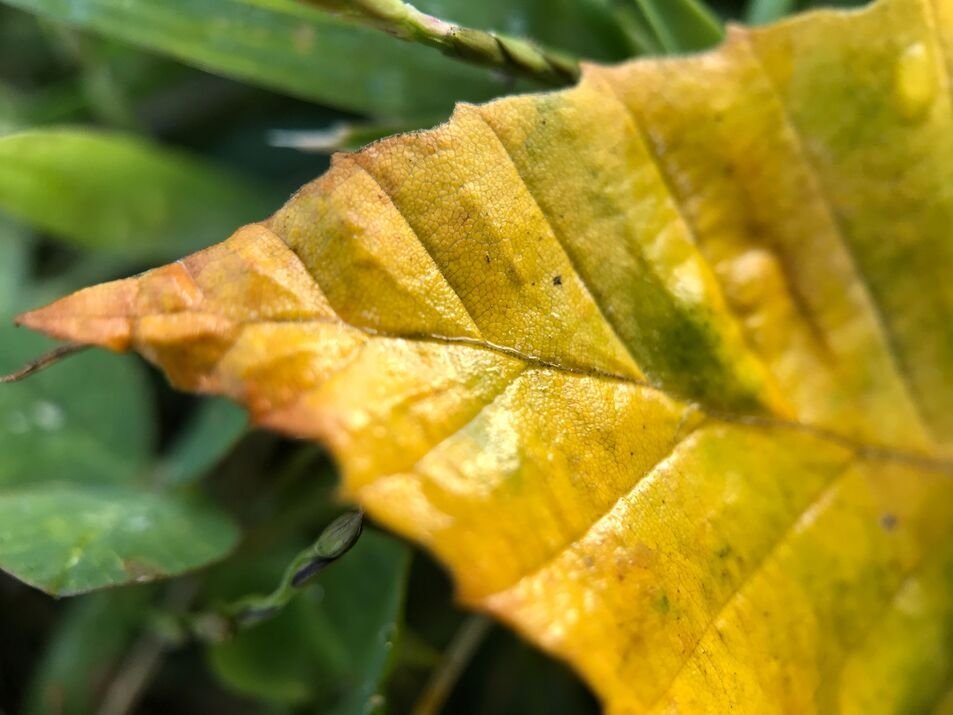
Leaves that fall off with the slightest touch.
A soft, squishy stem base.
Black brown spots that spread quickly.
A moldy sour smell coming from soil.
If you catch this early sometime you can save plant by letting it dry out completely and repotting into fresh, well draining soil. If it is gone soft and mushy all the way through though? I’m not going to sugarcoat it that one is usually a goner.
Comparison of a healthy succulent versus an overwatered, mushy one: overwatered succulent signs versus healthy succulent watering guide.
Factors That Change the Watering Schedule.
Here is where a lot of generic plant advice falls apart — it treats every succulent every pot, and every home the same. They are not.
Pot Material and Drainage.
Terracotta pot breathe and let moisture evaporate faster. so they generally need more frequent watering than glazed ceramic plastic pot. If your succulent in a pot with no drainage hole at all. please avoid this if you can. You will need to water far less and much more carefully.
Light Exposure.
More sunlight means faster soil drying. which means more frequent watering. succulent baking on south facing windowsill will dry out way quicker than one tucked in a dimmer corner.
Humidity and Climate.
If you live somewhere humid. Your soil holds moisture longer naturally stretching out the time between watering. Dry climate like Arizona inland California mean succulents dry out faster and need water more often.
Soil Type.
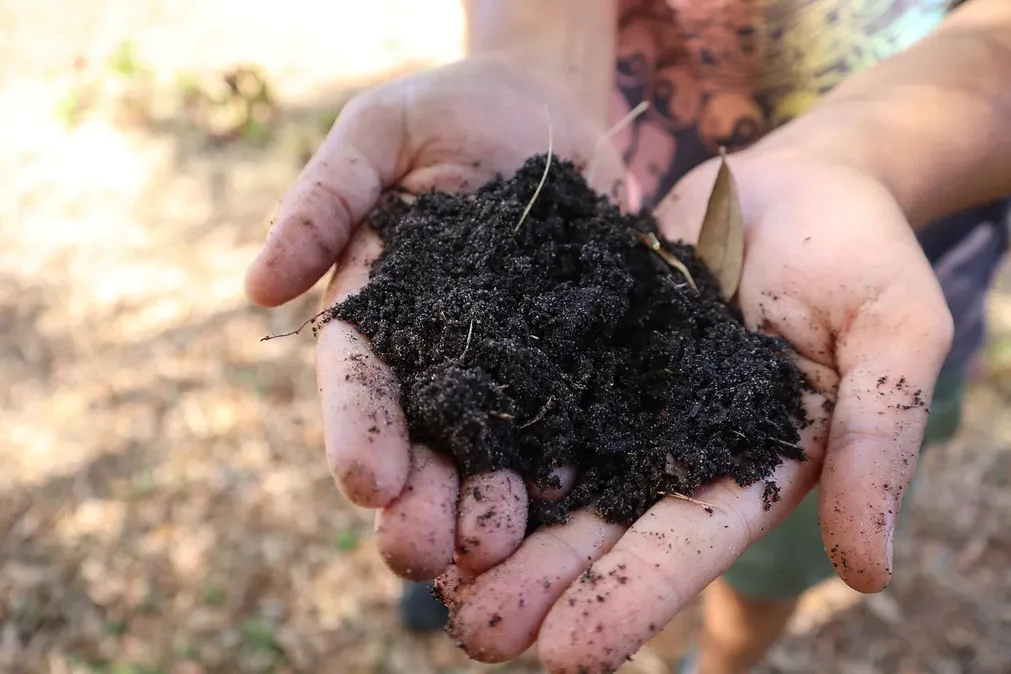
Regular potting soil holds way too much water for succulents. You need a fast draining mix — usually a blend of potting soil perlite and coarse sand. This single change fixed more of my watering problem than anything else I tried.
Plant Size and Maturity.
Smaller younger succulents in tiny pots dry out faster than large established ones in bigger containers. Makes sense — less soil volume means less water reserve.
The “Soak and Dry” Method (My Go-To)
After testing several approaches, this is the method. I have stuck with, and it is the one most experienced growers swear by too.
Here is how it works:
Wait until soil is completely dry not just the surface. but a couple inch down.
Water thoroughly until it run freely out of drainage hole. Do not just sprinkle a little on top.
Let all the excess water drain away completely — never let the pot sit in a saucer full of water.
Then wait again until the soil is fully dry before repeating.
This mimic how succulents experience rainfall in the wild. An occasional deep soak followed by long dry stretch. It way more effective than frequent light water. Which only wet top layer of soil and encourage root to stay shallow.
Common Watering Mistakes to Avoid
I have made most of these myself, so consider this a “learn from my mistakes” list.
Watering on a fixed schedule regardless of soil condition this is the classic overwatering trap.
Using pots with no drainage holes a succulent’s worst nightmare.
Misting instead of soaking light spritz does not reach the roots where it matters.
Watering the leaves instead of the soil — this can cause rot in the rosette center, especially on Echeveria types.
Ignoring seasonal changes and watering the same amount in winter as summer.
Using heavy, moisture retentive potting soil instead of a succulent specific mix.
Honestly, that first one sticking to a rigid schedule — is the mistake. I see most often in beginners. Succulents don not care what day it is. They care what the soil feels like.
Seasonal Watering Adjustments.
Succulents go through active growth periods and dormancy. just like a lot of other plants, and their water need shift accordingly.
Spring and summer. are typically active growth months for most common succulents. They will use water faster and can generally handle slightly more frequent watering, especially if they are getting strong light.
Fall and winter. often bring dormancy, particularly for succulents kept indoors with shorter daylight hours. During this stretch cut back significantly sometimes to once every 3-4 weeks. I learned this one hard way after a jade plant sulked through an entire winter. because I kept watering it like it was July.
It is also worth noting that some succulent species like certain Sedum varieties are actually winter grower and summer dormant.so it pay to know your specific plant rather than applying blanket. seasonal rules across the board.
A succulent arrangement on a sunny windowsill showing seasonal light exposure: seasonal succulent watering schedule indoor windowsill care.
Final Thoughts.
Watering succulents is not about memorizing a perfect schedule — it is about learning to actually look at your plant and trust. what it is telling you. Once that clicks it gets so much easier, I promise.
I still mess up sometimes. I have got a jade plant right now that is looking a little wrinkly because I have been traveling and forgot to check on it. But that is honestly the beauty of succulents — they are forgiving of a little neglect in a way most houseplants are not. Just do not drown them with love the way I did with that poor echeveria years ago.
Give your plant. what it actually needs not what feel generous, and it will reward you with year of low maintenance weirdly charming company on your windowsill.
Question Answers.
Can I water succulents with ice cubes?
I get why people try this — it’s all over Pinterest for orchids, and it feels like a neat, mess-free trick. But for succulents? I wouldn’t bother. The problem is the ice melts way too slowly to actually soak down to the roots properly, so the plant doesn’t get the deep drink it actually needs. And these plants generally like their water at room temp, not freezing cold — a sudden temperature shock isn’t doing the roots any favors. Save yourself trouble and just water straight onto the soil the normal way.
Do succulent need less water in winter?
Yep and this one caught me off guard the first year I had succulents. Once the days get shorter and cooler, most succulents basically go into a bit of a slowdown mode — kind of like how you might feel sluggish in the winter, minus the hot chocolate. They’re not actively growing much, so they’re not drinking as much water either. I usually stretch my watering out to once every three or four weeks during this stretch. Keep watering like it’s summer and you’re pretty much just asking for root rot.
Should I water succulent from the top bottom?
Either works, honestly — it really comes down to personal preference. I tend to bottom water mine most of the time, just sitting the pot in a shallow dish of water for a bit and letting it soak up from underneath. It’s a nice way to keep water off the leaves, which matters more than people think, especially for those tightly packed rosette types where water can get trapped in the center and cause rot. That said, top watering’s totally fine too — just aim for the soil, not the leaves, and you’ll be fine either way.
Why is my succulent losing leaves even though I’m watering it regularly?
This is such a common one, and it usually surprises people because it feels backwards — “I’m watering it, so why is it dying?” But regularly is kind of the problem. If you’re watering on a set schedule instead of checking the soil first, you’re probably overdoing it, and that’s most likely why leaves are falling off at the slightest touch. Do yourself a favor and switch to only watering once the soil’s totally dry — no exceptions, no “it’s been a week so I’ll just water it anyway.” Your plant will thank you.
