Introduction,
I still remember the morning I walked out to check on my tomatoes and just stopped. Half the leaves. looked like someone had gone at them with hole punch. My first thought, honestly, was that the neighbor’s kid had gotten bored with scissors. Nope. Flea beetles. And I had zero clue what they were until I spent way too long on my knees with a magnifying glass, squinting at leaves like some kind of garden detective.
That is the annoying part about pests — by the time the damage catches your eye, the culprit’s usually already gone. Or it is hiding right under the exact leaf you are staring at, laughing at you.
A few frustrating seasons later, I’ve picked up on one thing: catching pests early is basically the whole battle. You don’t need to be some bug expert. You just need to know what signs to watch for — and that’s what I want to walk you through.
Why Pest Identification Matters.
Here is something I wish someone told me earlier: treating wrong pest with the wrong method wastes time money and sometime hurts your plant more than bugs do. Spraying a general pesticide on something that is actually a beneficial insect? That happen more than people admit.
Based on my experience. correct identification change everything. It tell you. Whether you are dealing with chewing insect or sucking insect. Something that only come out at night. Each type leaves different signature, almost like a fingerprint, and once you learn to read those signs, the garden stops feeling like a mystery.
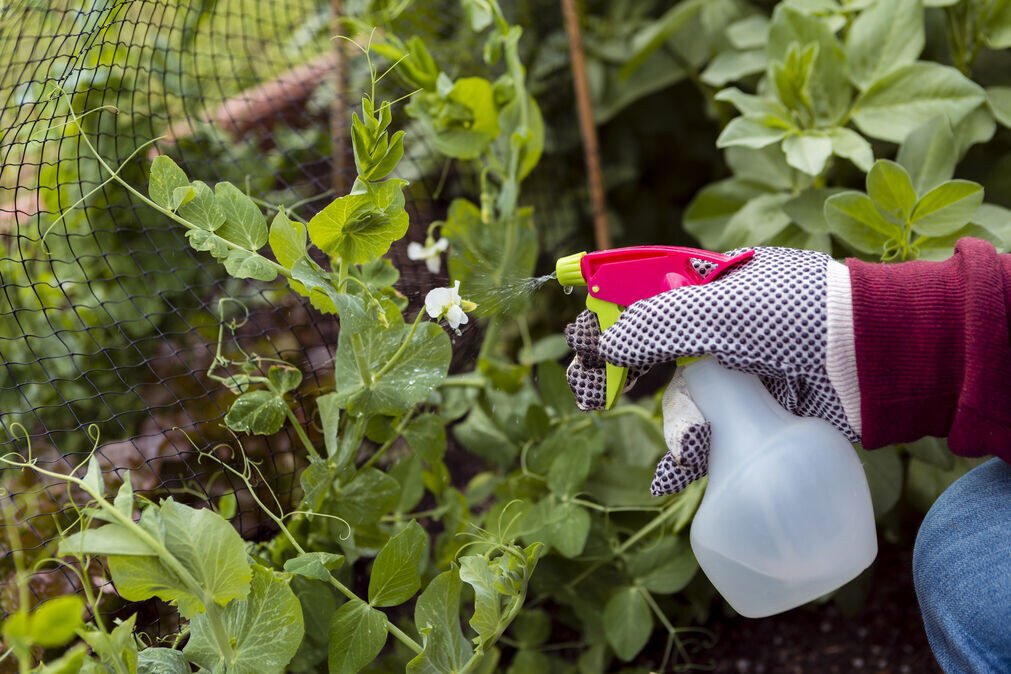
close up of garden pest damage on a leaf: identifying common garden pest damage on plant leaves.
Aphids: The Tiny Sap Suckers.

Aphids are probably the first pest every gardener runs into eventually. They are small, pear-shaped, and usually green — though I have spotted black ones, yellow ones, even pinkish ones depending on the plant they are on.
Signs to watch for:
Curled or yellowing leaves,
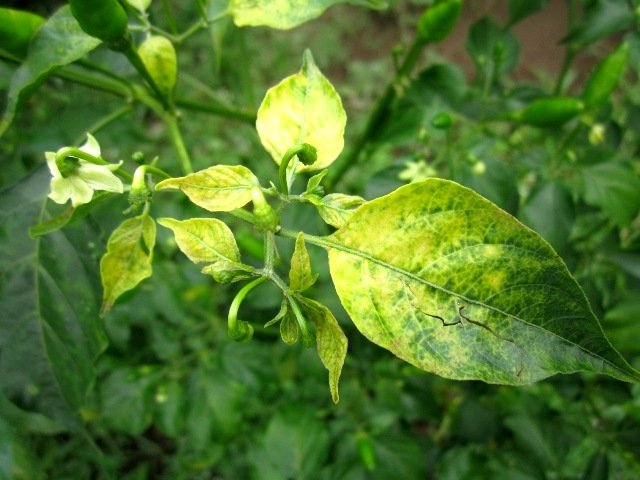
Sticky residue on leaves — that is honeydew, basically their sugary waste,
Clusters of tiny bugs on new growth or tucked under leaves,
Ants hanging around your plants (they actually farm aphids for that honeydew, which sounds made up but it is real, and kind of fascinating once you know it)
At first, the damage is mostly cosmetic — some curling, a bit of stunted growth. Nothing dramatic. But let an infestation go unchecked and it will wear a plant down fast. I lost an entire pepper plant once because I brushed off a “small” aphid colony for two weeks. Big mistake. Lesson very much learned.
Slugs and Snails: Nighttime Nibblers.
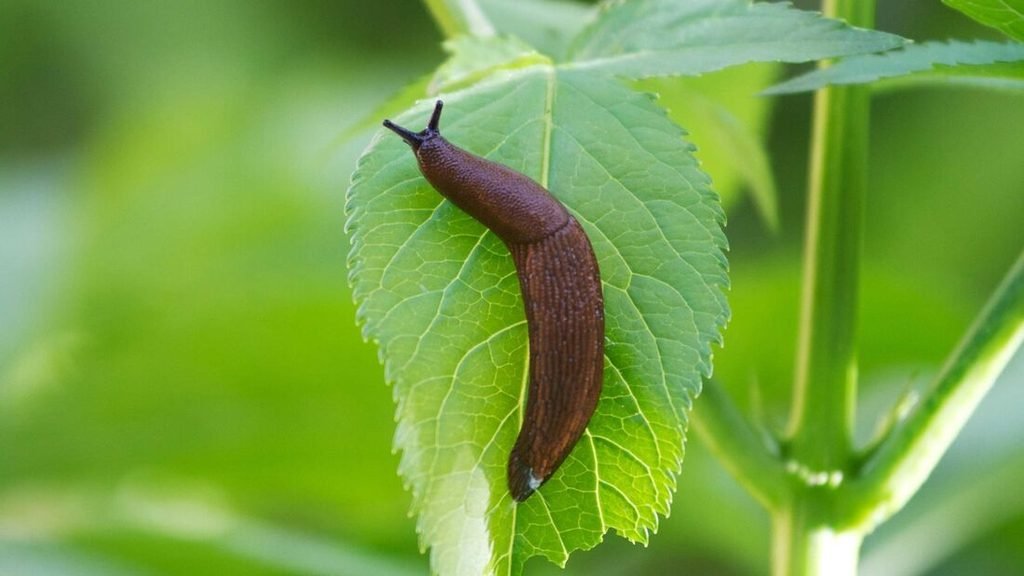
If you have ever gone out in the morning and found ragged holes in your lettuce with no bug in sight, slugs are probably your answer. These guys are nocturnal which makes them sneaky and honestly kind of annoying to catch in the act.
Telltale signs:
Irregular holes in leaves, especially soft ones like lettuce, hostas and basil
Silvery slime trails on soil or leaves (this is the giveaway — nothing else leaves this trail)
Damage concentrated near the ground,
I will be honest, slugs used to drive me nuts because the damage would appear overnight, like garden gremlins. Once I started checking with flashlight after dark, mystery solved itself pretty quickly.
Japanese Beetles: The Metallic Menace.

These guys are hard to miss once you spot one — shiny, coppery-green beetles. That love to show up in groups like they are throwing a party on your plants. And they do not just nibble, they skeletonize leaves, eating. everything except the veins and leaving behind this lacy, see-through pattern that is honestly kind of eerie the first time you notice it.
Lace like, skeletonized leaves.
Beetles clustered together often mating right on the damaged leaf (they are not shy)
Damage that spreads fast, sometimes within days.
I have tested handpicking them into soapy water myself, and while it sounds tedious, it actually works better than most sprays for small infestations. It’s oddly satisfying too, not gonna lie.
Caterpillars and Cabbage Worms

Caterpillars aren’t complicated to figure out — they chew, that’s their whole thing. Cabbage worm in particular love brassicas: broccoli, kale, cabbage, whole crew. The tricky part. They blend in with the leaves so well you can stare right at one and still not clock it’s there.
How to spot them:
Large uneven holes chewed-up patches on the leaves.
Small dark green droppings scattered on leaves the soil below.
Pale green caterpillar tucked right along leaf veins, practically invisible.
A quick tip: watch for white butterflies.
If you spot white butterflies fluttering around your cabbage patch. Do not just admire them — take a closer look at your plant. Those butterflies are often laying eggs that hatch into cabbage worms. Any time I see them hovering around my brassicas.it is basically my cue to go check the leave.
Spider Mites: The Hard to See Threat.
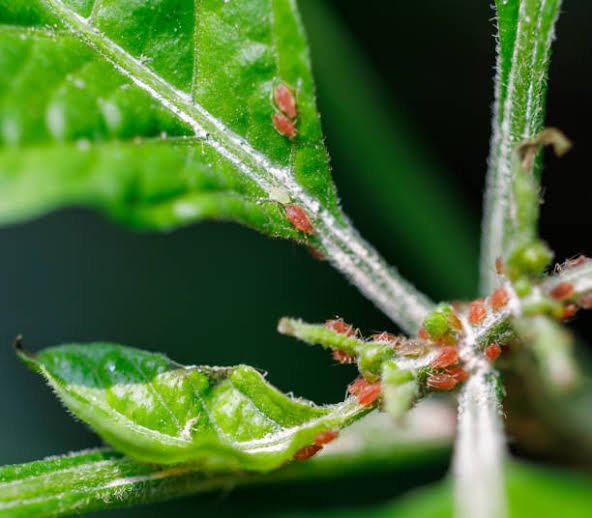
These pest are tiny you basically need magnifying glass to spot them clearly. But trust me the damage they leave behind is unmistakable once you know the sign.
What to look for:
Fine speckled yellowing on leaves — almost looks like a light dusting at first glance.
Tiny webbing tucked under leaves or between stems.
Leaves that eventually turn bronze or just dry out completely.
Spider mites love hot dry conditions — which, annoyingly, is exactly. when your plants are already stressed and vulnerable. I started spraying the undersides of my plants’ leaves with water during heat waves, just as a habit, and it is genuinely made a difference.
Squash Bug and Vine Borer.
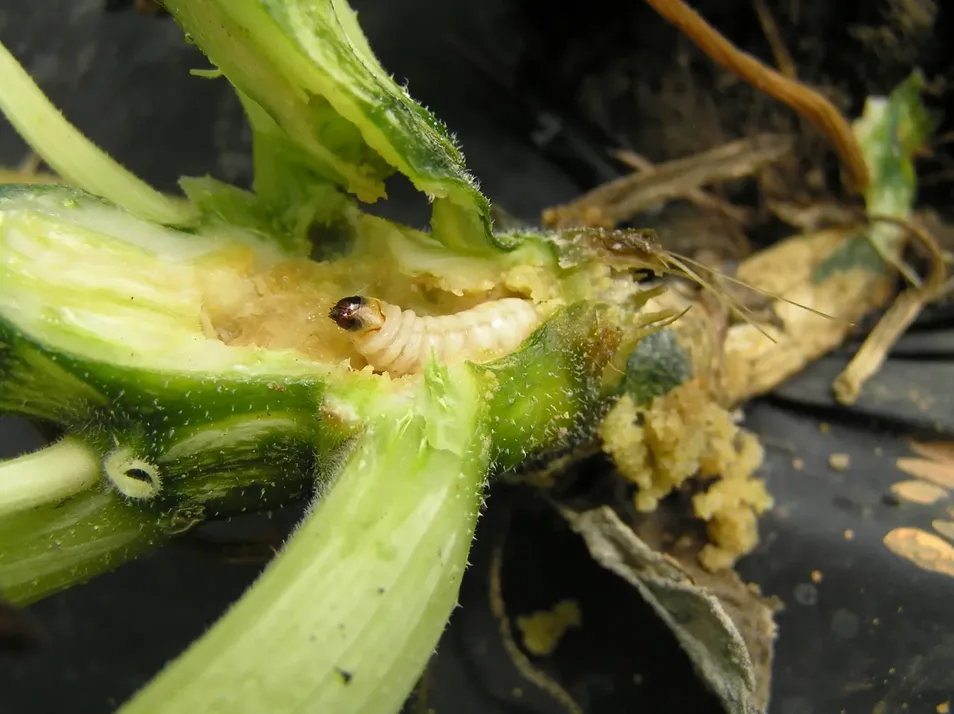
Grow squash zucchini pumpkins, you will eventually meet these two. Squash bugs are flat, grayish brown, and gather in groups. While vine borers are sneakier — they tunnel inside the stem itself.
Signs of squash bugs:
Yellow spots that turn brown on leaves.
Clusters of bronze, football-shaped eggs on the undersides of leaves.
Wilting that starts at the base of the plant.
Signs of vine borers:
Sudden wilting of an otherwise healthy looking vine,
Small hole near the base of stem with sawdust-like frass around it.
The plant collapsing within days despite adequate watering.
Vine borers are honestly the worst. I lost two zucchini plant in one season before. I figured out what was happening by then. it was too late to save them.
Common Mistake Gardeners Make.
Let is talk about the stuff people (myself included) get wrong when dealing with pests.
Reacting too late by the time damage is obvious, the pest population may already be established.
Misidentifying the pest — treating aphids like caterpillars, for example, wastes effort.
Over-relying on chemical sprays — this can kill beneficial insects like ladybugs and bees too.
Ignoring the underside of leaves — most pests hide there, not on top where it’s easy to see.
Not checking plants regularly enough — a quick five-minute walk-through every couple of days catches problems early.
gardener inspecting underside of leaf for pests: checking for garden pest signs on leaf undersides.
Practical Tips for Early Detection
Here is what is actually worked for me season after season:
Do a “leaf flip” check every few days — just turn a few leaves over and look.
Keep small flashlight in your garden tools for night time slug checks.
Introduce beneficial insect. like ladybugs which eat aphids like candy.
Rotate crop yearly disrupt pest life cycles.
Use companion planting — marigolds and nasturtiums genuinely seem to deter certain pests. At least in my garden.
None of these are silver bullets. Gardening never really works that way. But together. They cut down on surprises significantly.
ladybug on plant eating aphids: beneficial insect controlling garden pest naturally.
Final Thoughts
If there is one thing I have taken away from years of squinting at damaged leaves. it is that pest identification is not about becoming an expert overnight. It is about paying attention a little bit at a time, and learning the patterns your garden shows you.
Some seasons will still surprise you. Mine definitely have. But the more you know what normal damage look like versus pest damage, the calmer you will feel walking out to your garden each morning — even when you do find a few holes in the lettuce.
FAQs
1. How can I tell the difference between disease damage and pest damage on my plants?
Honestly, it comes down to what you’re actually seeing. Pest damage usually leaves physical evidence — holes, chew marks, or you’ll spot the actual bug if you look close enough. Disease, on the other hand, tends to show up as spots, discoloration, or wilting with no bite marks anywhere. My go-to move is flipping the leaves over and checking for insects or droppings — that usually settles the debate pretty quickly.
2. Are all garden bugs harmful to my plants?
Not even close. A lot of bugs crawling around your garden are actually on your side — ladybugs, lacewings, certain beetles, they all help keep the harmful pests in check. It is genuinely worth taking bit of time to learn what the “good guys” look like. so you are not accidentally wiping them out along with the bad ones.
3. What time of day is best for checking garden pests?
Early morning or evening hands down. That’s when pests like slugs and certain caterpillars are most active, since they tend to avoid the heat of the day. I’ve also had good luck doing a quick flashlight check at night — it reveals nocturnal pests you’d completely miss otherwise.