Introduction.
I ended up killing my first snake plant because I was trying too hard to take care of it . With a watering can technically but my intentions were pure. I promise.
I picked it up from a grocery store checkout line of all places. They had this tiny plant corner right next to the gum and mints. And I did what felt right. I watered it every few days. I kept the soil perfectly moist watering it with the kind of dedication only a proud plant parent could muster even sneaking in a little self congratulatory pat on the back for my green thumb skills.”.
Three weeks later. The base had turned to mush. Whole thing smelled like a swamp. I thought I was taking good care of it but honestly. I was just giving it way too much water slowly drowning it.
That one failure taught me more about snake plants than any care guide ever could. So lets get into single thing trips up more snake plant owner than anything else: watering.
Why Snake Plants Are So Easy to Overwater

Snake plants. Dracaena trifasciata though most of us just know them by whatever name our grandma used actually come from West Africa. Out there they grow in rocky dry sun baked soil where rain is rare.
That is the part I completely missed early on. Their leaves are thick and waxy for a reason they are basically little water tanks storing up moisture like a cactus in disguise.these plant do not need frequent wate. They are built to go long stretches without it.
Give them the same routine you would give a fern or a peace lily and you are setting them up for trouble. Their roots hate sitting in soggy soil. When roots stay wet for too long. They can not breathe. That is when rot quietly sets in from inside out long before you spot any signs on surface.
How Often Should You Actually Water a Snake Plant?
Here is the short answer: every 2 to 6 weeks depending on your home’s conditions. I know that’s wide range .Snake plant watering is not really about calendar. it is about the soil.
Based on my experience a good rule of thumb is:
Spring Summer active growth: Water every 2–3 weeks.
Fall/Winter (dormant period):: Water every 4–6 weeks sometimes longer.
Low light rooms: Stretch watering even further since the soil dries slower.
The real trick is not memorizing a number it is learning to check the soil yourself.
The Finger Test

Stick your finger about two inches into the soil. If it still feels a little damp. just give it more time.. If it is bone dry all the way down that is your green light to water.
I actually do this every Sunday right when I’m watering my other plants even if the snake plant does not need any that day. It just keeps me in the habit of checking rather than guessing
Signs Your Snake Plant Needs Water
Snake plants are dramatic in a very specific way. They tell you they are thirsty but subtly not with a full wilting meltdown like some other houseplants.
Watch for these signs:
Leaves start to curl slightly inward.
The plant looks a little duller less plump.
Soil has pulled away from edges of pot.

Leaves feel slightly softer or less rigid than usual.
Honestly. snake plants can go weeks past needing water without any real damage. I have forgotten mine for over a month while traveling and came home to a plant that looked completely unbothered. Try that with a fiddle leaf fig and see what happens.
Signs You’re Overwatering (The More Common Problem)
This is the one that actually matters. Almost nobody kills a snake plant from underwatering it is nearly always the opposite.
Watch for:
Yellowing leaves especially starting at the base.
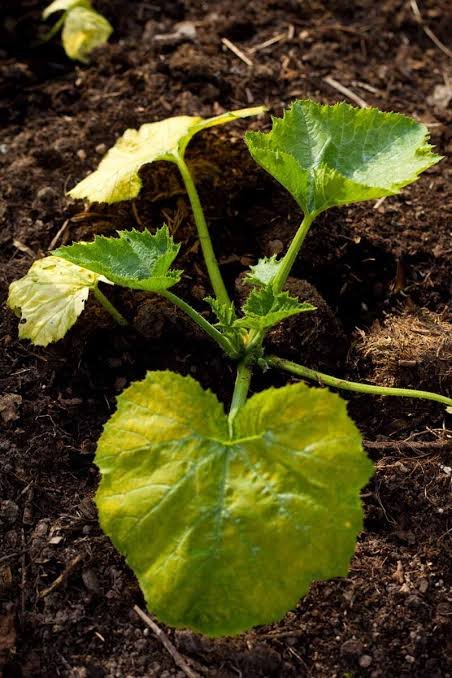
Mushy soft spots on leaves or stems
A sour swampy smell rising up from the soil.
Leaves that flop over instead of standing tall.
Black or brown mushy roots if you check by unpotting.
If you catch root rot early. Sometimes you can still save plant just trim away the damaged roots and repot it in fresh dry soil. If it is gone too far though the whole thing can collapse
within days. I have lost two plants this way and both times I knew deep down I was watering just in case instead of actually checking the soil first.
Seasonal Watering Adjustments
This part gets overlooked a lot but for me. It was a real game changer once. I actually started paying attention to it.
Spring and Summer.
During warmer months your snake plant is actively growing using more water and drying out soil faster. When you will water most frequently. though frequently snake plant still just mean every couple of weeks.
Fall and Winter.
Growth slows down dramatically sometimes stopping almost completely. Soil stays wet much longer since evaporation slows and the plant simply is not using water like it was in summer.
After testing this myself over a few winters I have found that watering once a month sometimes even less works perfectly fine during the colder stretch. If your home runs cold and your snake plant sits away from direct light. You might stretch six or even eight weeks.
Best Watering Techniques for Snake Plants
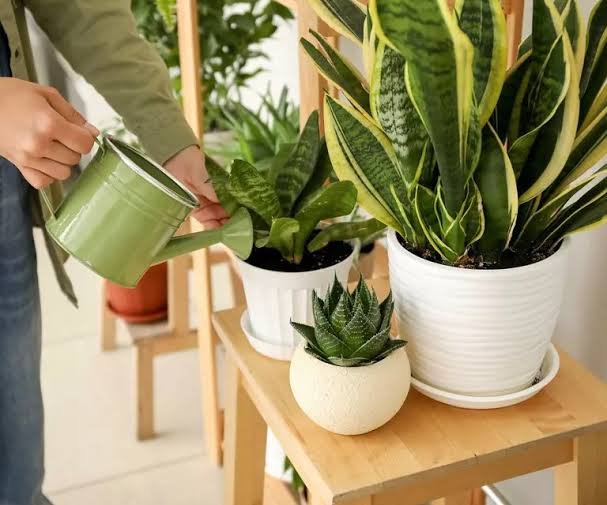
How you water matter almost much as how often. A few techniques I have picked up over the years:
1. Water Deeply. Then Let It Dry Out Completely.
Do not sip water your snake plant with little splashes every few days. Instead water thoroughly until it drains out the bottom.
2. Always Use Pot With Drainage Hole.
This one’s non negotiable for me now. pot without drainage trap water at bottom and that’s basically root rot in a slow motion setup. If you love a decorative pot without holes just use it as a cover pot and keep the plant in its nursery pot inside.
3. Use Well Draining Soil.
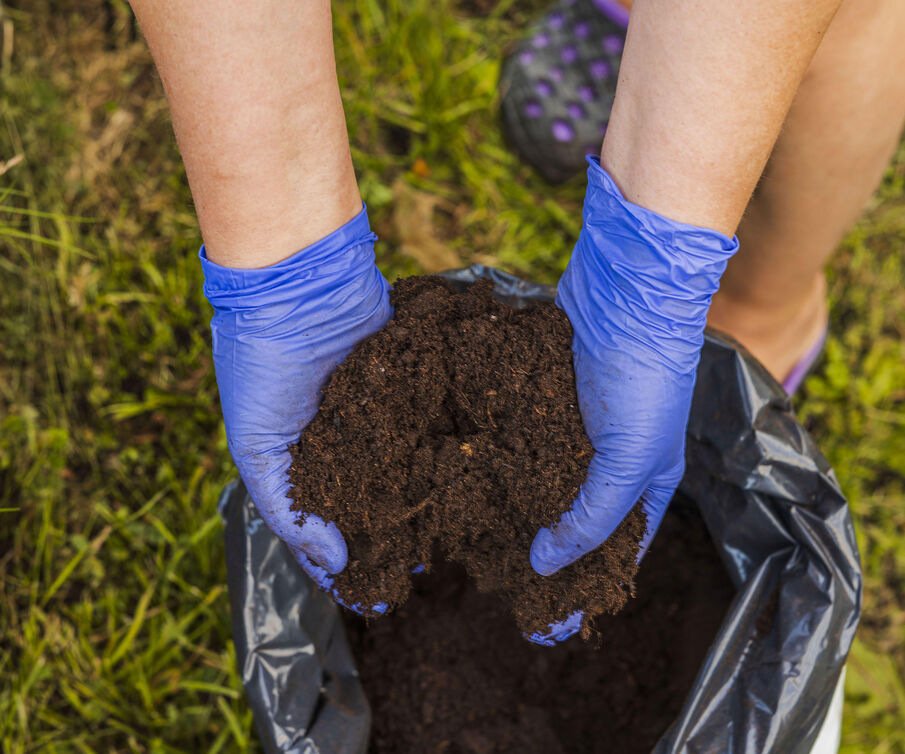
Regular potting soil just holds onto too much moisture for snake plants liking. Mix in some perlite or coarse sand better yet. just grab a cactus/succulent mix instead.. This alone fixed most of my watering mistakes once I switched.
4. Water at the Soil Level Not Overhead.
Try not to splash water directly onto the leaves especially into the rosette where leaves meet at the base. Trapped moisture there can cause rot right at the crown of the plant.
Common Mistake to Avoid
I have made basically all of these so consider this your shortcut past my learning curve.
Watering on a fixed schedule instead of checking the soil first
Using pots with no drainage because they looked nice.
Watering more in winter because plant looked thirsty it usually was not.
Letting plant sit in a saucer full of water after watering.
Using heavy moisture retentive soil meant for tropical plants
Honestly the biggest mindset shift for me was realizing that with snake plants underwatering is rarely the enemy. Over caring is.
My Personal Watering Routine (What Actually Works)
These days. I have got three snake plants scattered around my apartment. one in a bright east facing window one tucked in a dim hallway corner and one. yes in my bathroom. Turns out they are totally fine with the humidity.
Here is roughly what my routine looks like:
Bright window plant: Watered every 2–3 weeks in summer monthly in winter.
Dim hallway plant: Watered every 5–6 weeks year round, sometimes longer.
Bathroom plant: Watered every 4 weeks since humidity keeps the leaves happy even when soil is dry.
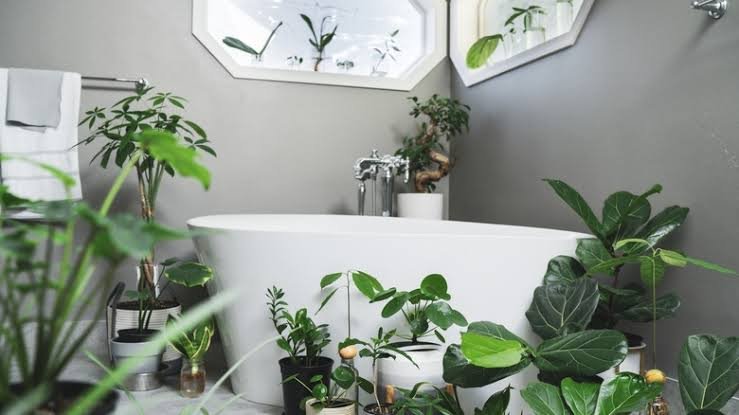
I check all three every week or two with the finger test. But I only actually water when the soil is completely dry. It sounds almost too simple but that is genuinely the whole secret.
Person doing the finger soil-test on a snake plant pot. checking soil moisture before watering a snake plant
A Warm Word Before You Go
If there is one thing I want you to walk away with. it is this: snake plants are forgiving but only if you resist the urge to love them with too much water. They are not needy. They are that low maintenance friend who is perfectly happy hearing from you once a month.
Trust the dry soil. Trust the plant. And if you are ever unsure wait few more days instead of watering just to be safe. Your snake plant will thank you by quietly thriving in corner you almost forgot about.
Final Thought.
Looking back my first snake plant did not die because I did not care. It died because I cared too much in the wrong way. And honestly. I think lot of us make that same mistake with these plants. We are so used houseplants needing constant attention that leaving one alone for weeks feels almost wrong. But that is exactly what a snake plant wants.
So if you take away just one thing from this whole piece. let it be this: when in doubt do not water. Check the soil be patient and let the plant do what it is naturally built to do survive on very little and still look effortlessly green while doing it. Honestly. it is the most low-stress plant relationship I have ever had. And I think you will feel the same once you stop second guessing it.
Question Answers.
1.Can I water my snake plant on a fixed weekly schedule.
Honestly. its better not to. Snake plants dry out at different speeds depending on how much light they are getting room temperature and even the size of the pot. If you stick to a strict weekly routine. You will probably end up overwatering at some point. A simpler approach: just stick your finger in the soil before you water and let that guide you not the calendar.
2.What is the biggest sign of overwatering in snake plants.
Keep an eye out for yellowing leave paired with base that feel soft or mushy that is usually the first red flag. If the soil start smelling sour or the leaves begin flopping over instead of standing tall root rot has probably already set in from too much moisture sitting around the roots.
3.How long can a snake plant go without water.
These plants are tough they can go anywhere from 4 to 8 weeks without water. Sometimes even longer if the light and humidity are on their side. Their thick fleshy leaves basically act as water tanks. Which is why they handle neglect so much better than most houseplants.
4.Should I mist my snake plant instead of watering the soil.
Not really needed. Snake plants drink through their roots not their leave so misting does not actually hydrate them it just leave water sitting on surface. Do it too often and you might even invite fungal problems instead of helping the plant.