Introduction
I still remember the morning walked outside with my coffee feeling pretty proud of my tomato plant found half leave on my best plant looking like someone had taken a hole punch to them. No slug trails no chew marks on the fruit just… Swiss cheese leaves. I spent nearly twenty minutes crawling around on my knees before I finally spotted the culprit a tiny flea beetle hiding among the leaves with plenty of its little companion nearby.
That was the moment I realized something most gardeners figure out eventually: you can not fight what you can not identify. Spraying random stuff on your plants and hoping for the best doesno t work and honestly it can make things worse. So after years of trial error and a lot of squinting at leaves with a magnifying glass I put together this guide to the 25 garden pests you are most likely to run into.
Why Correct Pest Identification Matters
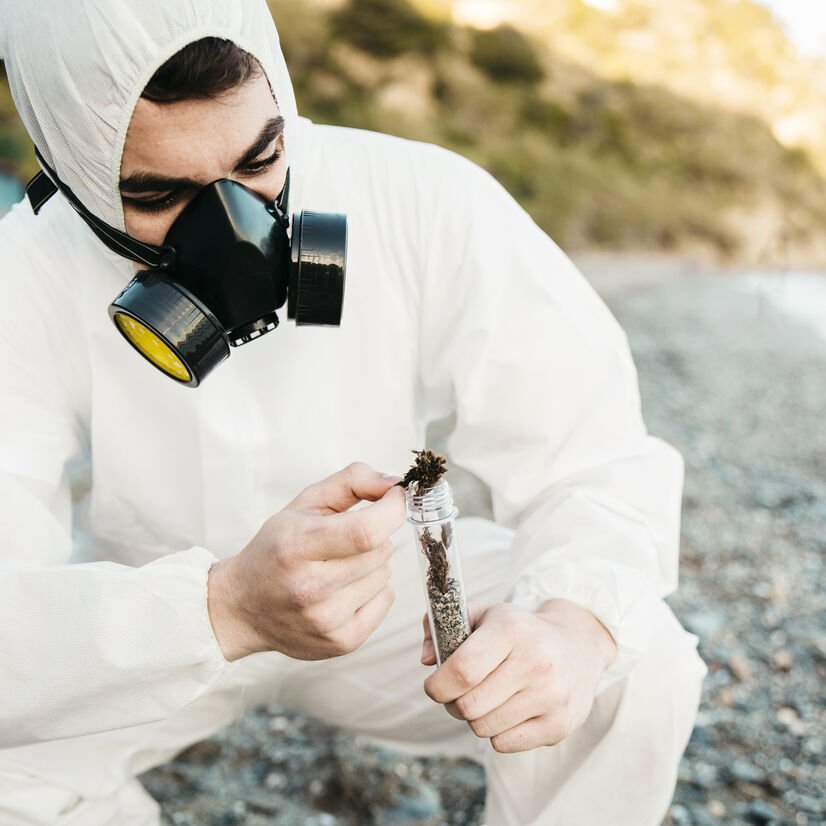
Here is something every beginner gardener need to hear early on: not every bug crawling around your garden is out to get you.Ladybugs lacewings and ground beetles are actually on your side they spend their days munching on the pests that are wrecking your plant.
So if you grab the pesticide the second you spot any insect, you’re not just risking the “bad guy.” You could just as easily be wiping out the very bugs that were quietly protecting your garden for you.
Based on my experience about a third of the “pest emergencies” I have seen in community garden chats turn out to be beneficial insects completely harmless visitors. Learning to actually identify what is on your plant not just panic spray save you money protect pollinators honestly make gardening a lot less stressful.
Common Soft Bodied Pests. Aphids Slugs and More.
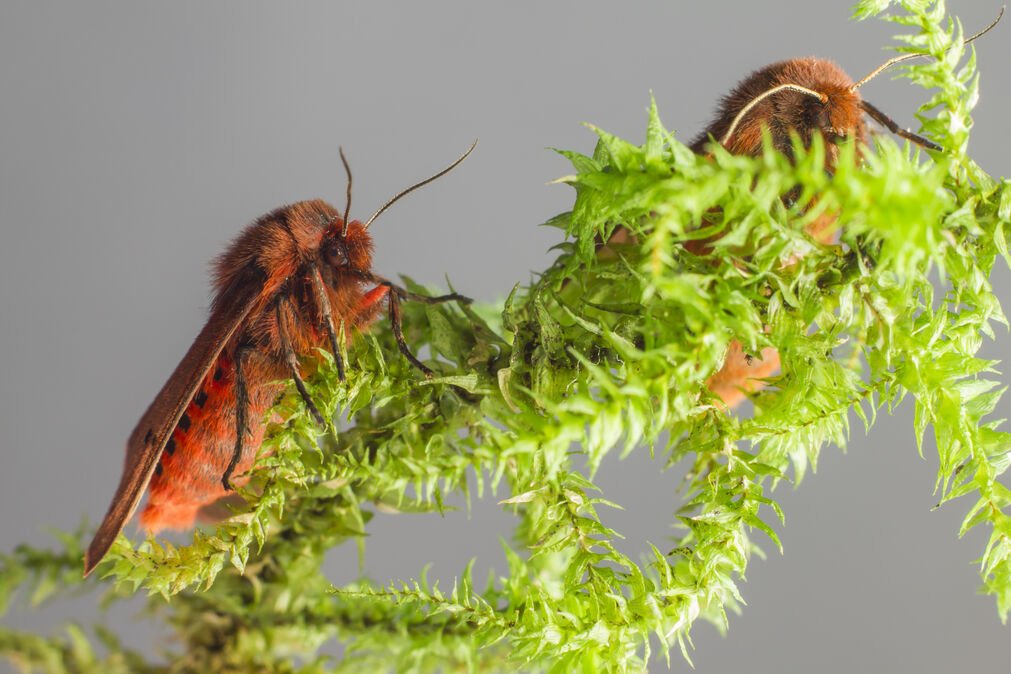
These are usually first pests new gardener encounter mostly because they are everywhere and multiply fast.
Aphid Tiny pear shaped often green black pink.They cluster on new growth stem sucking sap leaving behind sticky honeydew that attract ants.
Slugs and snail. You will know these by the silvery slime trail and ragged hole in leave especially after rain. They love hostas lettuce and basically anything tender.
Cutworms. These curl up like a (C) when disturbed and chew through seedling stems right at soil level which is honestly heartbreaking when you find a whole row of seedlings just toppled overnight.
Caterpillar cabbage looper tomato hornworm Big appetites big damage. Hornworm especially can strip tomato plant of leave in couple of days.
I lost an entire row of pepper seedlings to cutworms one spring and after testing this myself the following year cardboard collars around the stems solved it completely. Small fix huge difference.
Chewing and Leaf-Damaging Insects
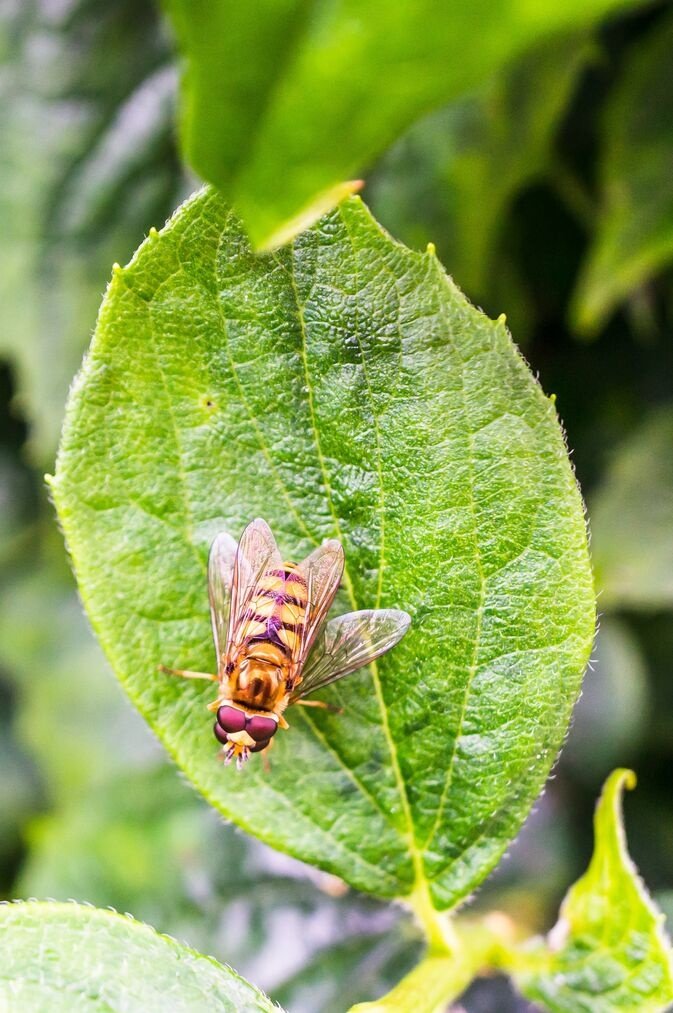
This group leave behind visible obvious damage holes ragged edges skeletonized leaves.
Beetles You will Likely Meet
Japanese beetles. Metallic green bronze they skeletonize leaves.leaving just the veins behind. They tend to show up in groups which make the damage look dramatic fast.
Flea beetles Tiny jump like fleas when disturbed and leave small shotgun style holes in leaves.
Colorado potato beetles.Striped yellow and black shell, these go after potatoes eggplants and tomatoes.
Cucumber Beetle
Cucumber beetles are small yellow beetle with black stripe spots. They chew on plant leave can spread bacterial wilt cucumber squash plant.
Caterpillar Larvae.
Cabbage worm. Pale green blend in well with cabbage family leaves leave ragged holes.
Corn earworms. Burrow directly into corn ears tomato fruit and pepper pods.
Squash vine borers .You often won’t see the larva itself just a wilting squash plant with a small hole near the base and sawdust like frass.
close up of a tomato hornworm on a leaf.Tomato hornworm caterpillar garden pest identification
Sap-Sucking and Sneaky Pests
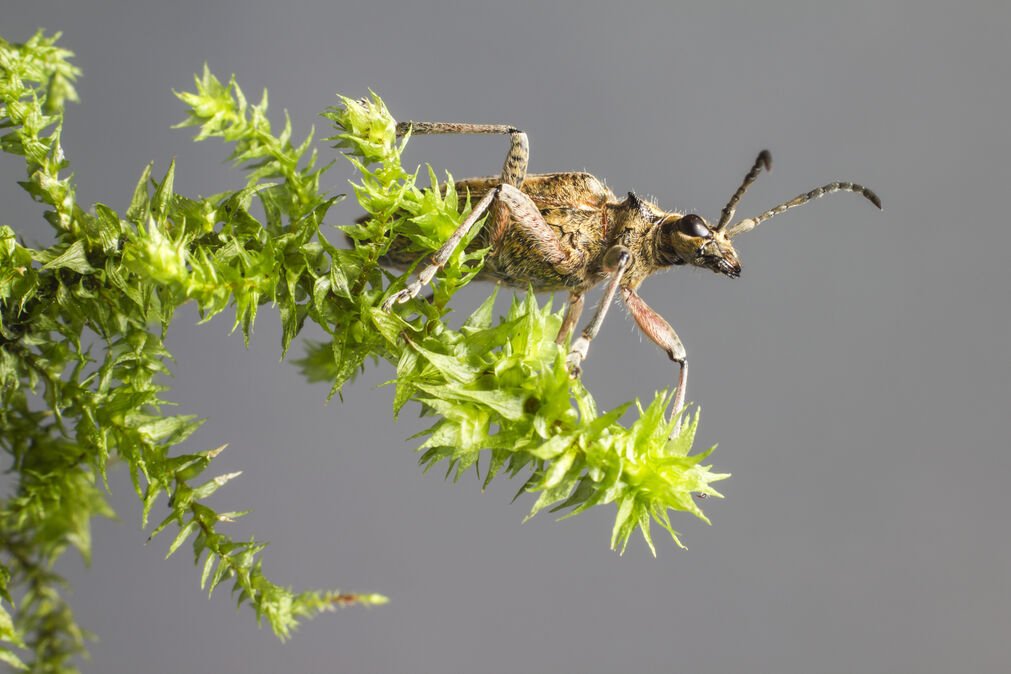
These pests are harder spot because they are small often hide on undersides of leave.
Spider mites.
Nearly invisible to naked eye but you will notice fine webbing stippled yellowing leaves. They thrive hot dry condition.
Whiteflies. Tiny white moth like insects that scatter in little cloud when you shake the plant. A dead giveaway.
Scale insects.Look like small brown tan bumps stuck to stems. Easy to mistake for plant texture until you realize they move barely.
Mealybugs. Cottony white clusters usually found in leaf joints. They are slow moving but reproduce quickly.
Thrips. Slender almost thread like insect that cause silvery streaking on leave and distorted flower buds.
Leafhoppers. Wedge shaped they jump sideways when disturbed and cause stippled bleached looking leaves.
Root and Soil-Dwelling Troublemakers
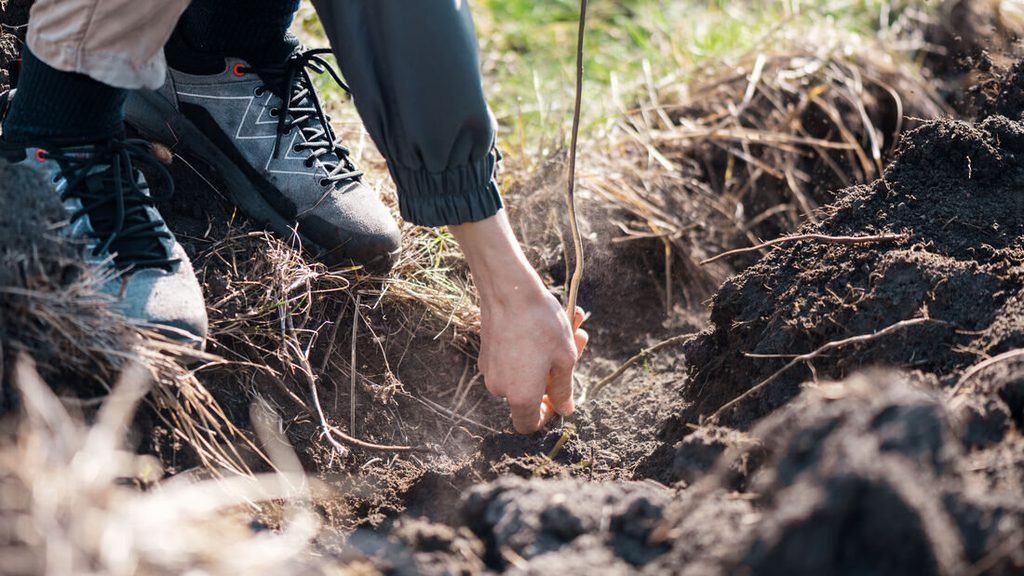
Some of most frustrating pest are the ones you never actually see until it is too late.
Grubs Japanese beetle larvae. Live soil chew on grass and plant root. Dead patche of lawn that peel back like carpet are classic sign.
Wireworms. Thin hard bodied orange brown larvae that tunnel into root vegetables like carrots and potatoes.
Root maggots. Attack brassica roots causing sudden wilting even when the plant look fine above ground.
Nematodes. root knot. Microscopic worms that cause swollen.knotted roots and stunted plant growth. You will only really confirm this by pulling a plant and checking the roots.
Larger Garden Invaders (Beyond Insects)
Not every pest is a bug and honestly.These can be even more frustrating because they are smarter and harder to deter.
Deer. Ragged torn leaf edges they do not have upper front teeth so they tear rather than cut cleanly.
Rabbits. Clean cut angled bites low to the ground usually on young shoots.
Voles. Create small tunnel at the soil surface and gnaw on roots and bark especially in winter.
Squirrels. Dig up bulbs and bury nuts in your pots chaotic but rarely devastating.
Groundhogs. Can demolish an entire vegetable bed in one visit if given the chance.
I will be honest, deer are the pest I have the least patience for. You can fence out rabbits pretty easily but deer will absolutely test every weak point in a barrier.
How to Identify Pests Like a Pro

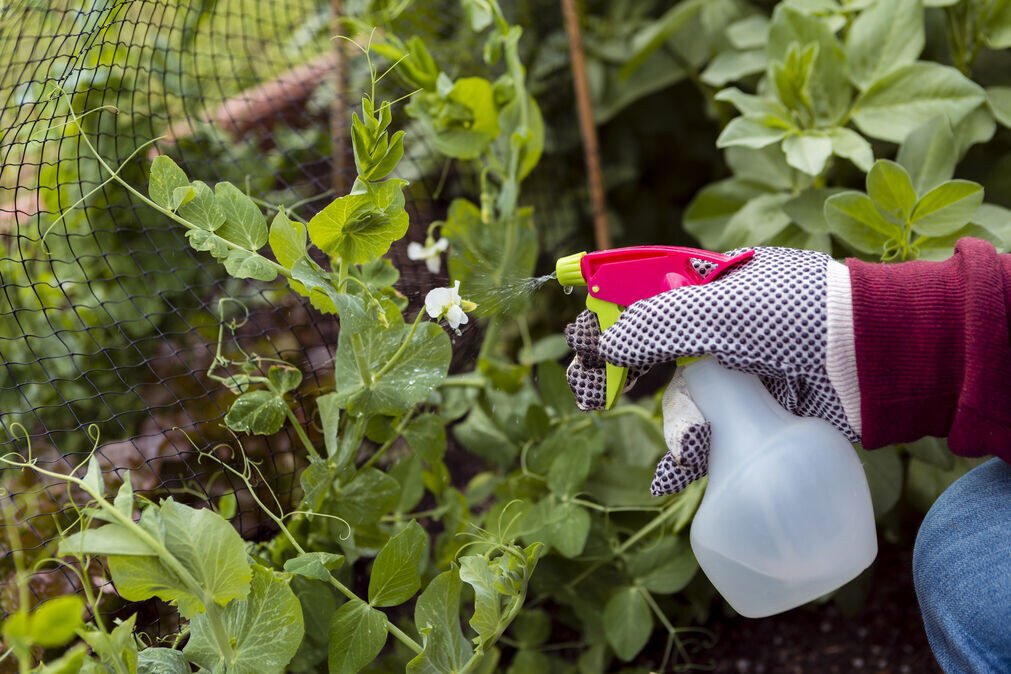
Here is the process I actually use step by step.Before ever reaching for a spray bottle:
Inspect the damage pattern first. Holes skeletonization wilting discoloration each point toward different pest categories.
Check the time of day. Slug and cutworm are nocturnal damage appear overnight with no insect in sight during the day.
Look under the leaves. Most sap suckers hide on the undersides not the tops.
Look for frass or trails. Sawdust like droppings slime trails sticky honeydew are all clues.
Use a hand lens if needed. Spider mites and thrip are genuinely hard to see without magnification.
Taking five extra minute actually observe before acting has save me from over treating my garden more time than I can count.
Practical Non Toxic Management Tips.

Hand pick the big offenders.Hornworm Japanese beetle just pluck them off and drop them in cup of soapy water. It is not glamorous but it work every single time and there is something oddly satisfying about it too.
Cover your seedling early.Row cover are a lifesaver when your plant are young and vulnerable. Cutworm flea beetles cabbage moths none of them can get through if there is physical barrier in the way.
Plant stuff that brings in the good bugs.Dill yarrow and alyssum are basically a welcome mat for ladybugs and lacewing. Let them move in and they’ll do a lot of your pest control for you.
Reach for insecticidal soap neem oil for the soft bodied ones.Aphids and mites do not stand much of a chance against it. Just test it on a leaf two first some plants react differently than others.
Do not plant same thing in same spot every year.Rotating your crop throw off pest like wireworm and root maggots that hang around in soil waiting for their favorite plant to show up again.
Try beer trap for slug.I know how that sounds. But bury a little cup of beer in the soil near affected plants and you will be surprised how well it pulls slugs away from your garden.
Common Mistakes Gardeners Make
A few things I see and have done myself way too often:
Spraying pesticide before confirming what the actual pest is.
Treating at wrong time of day.killing pollinators that are active when sprays are applied.
Ignoring soil health which weakens plant and make them more pest prone in the first place.
Giving up on companion planting too early instead of giving it a full season to show result.
Garden bed with row cover protecting young seedlings. Row cover protecting seedlings from garden pests
Final Thoughts
Gardening are just part of the deal there is no version of growing your own food flower where nothing ever nibbles on leaf. What is changed for me over the year is not that I get fewer pest it is that I stopped panicking over every little hole and started actually looking closely before reacting. That shift alone made gardening way more enjoyable and a lot less like constant battle.
If there is one thing I hope you take from this it is to slow down and actually identify before you treat. Your garden your pollinators and honestly your own stress levels will thank you.
Macro shot of aphids clustered on a plant stem. Aphid infestation identification garden plant stem
Question Answers
1.What is the easiest way to tell which pest is damaging my plants.
Look closely at the pattern of damage first chewed holes sticky residue webbing wilting all point to different pest types.Combine that with checking the time of day damage appear and inspecting the undersides of leaves since many pests hide there during daylight hours to avoid predator and heat.
2.Are all garden bugs actually harmful.
No this trip up lot of new gardener. Many insect like ladybugs lacewing and certain beetles are predator that eat aphids and mites for you. Before treating anything try confirm it is actually causing damage rather than assuming every bug you see is a threat to your plant.
3.How often should I inspect my garden for pest.
I would recommend checking at least twice week during growing season especially in spring early summer when pest population explode fastest. Catching infestation early while it is still small and localized make it far easier to manage without needing stronger chemical interventions later.
4.Do natural pest control methods actually work.
Yes though they typically require more patience and consistency than chemical options. Techniques like hand picking row covers companion planting and insecticidal soap have worked well in my own garden over multiple seasons especially when combined rather than relied on individually as single fix.