Basil plant looked perfect on Monday. By Thursday, it looked like someone had gone at it with a hole punch. I stood there holding a watering can, genuinely offended.
I did what most of us do. I sprayed something, hoped for the best, and waited. Nothing changed, because I’d never worked out what was actually eating it. It was slugs, by the way. They’d been coming out after dark and leaving by sunrise, like tiny burglars.
If you’re staring at a chewed, speckled or curled leaf right now, take a breath. The damage itself is a set of clues, and once you know how to read them, the culprit usually reveals itself. This guide shows you how to work out what’s eating your plant leaves and what to do about it.
Start With the Clues

Before you reach for a spray, spend five minutes playing detective. Based on my experience, three questions solve most leaf mysteries: where is the damage, when is it happening, and what does it look like up close?
Where Is the Damage?
New growth at the tips usually points to sap feeders like aphids. If there is any damage on the lower side of the plant near the soil it means it is the work of slugs and snails. Holes on older and outer leaves suggests chewing insects. Always flip the leaves over, since mites, whiteflies and aphids love the undersides.
When Is It Happening?
If the damage appears overnight, you’re likely dealing with a night feeder.
Slugs snails cutworms and some caterpillars work after dark. Take a flashlight outside an hour after sunset. I started doing this after the basil incident, and it solved the mystery in one evening.
If you see bugs munching in broad daylight, that’s usually beetles or caterpillars.
What Does the Damage Look Like?
This is the biggest clue of all. Ragged holes, smooth silvery trails, tiny speckles, curled leaves and winding tunnels each point to a different group of pests. The next section puts these side by side so you can match what you see on your plant.
Quick Reference: Damage and Likely Culprit
Use this as a starting point then confirm by finding the pest itself. Several pests can cause similar damage so treat it as a clue and not a verdict.
| What you see | Likely culprit | Where to look |
| Ragged holes with chewed edges | Caterpillars | Leaf surfaces, in daylight and at dusk |
| Leaves reduced to lacy veins | Japanese beetles | Tops of leaves, flowers |
| Many small “shotgun” holes | Flea beetles | Young seedlings, eggplant, radish, arugula |
| Irregular holes and silvery slime trails | Slugs, snails | Under pots and mulch, after dark |
| Seedling cut off at soil level | Cutworms | Soil surface at the base, at night |
| Tiny pale speckles, fine webbing | Spider mites | Leaf undersides, hot dry spots |
| Curled leaves, sticky residue | Aphids | New growth, buds, stem tips |
| Cloud of tiny white insects when shaken | Whiteflies | Leaf undersides |
| Silvery streaks, black specks | Thrips | Flowers, leaf surfaces |
| Winding pale tunnels inside the leaf | Leaf miners | Inside the leaf tissue |
| Brown bumps on stems | Scale insects | Stems, leaf joints |
| White cottony clusters | Mealybugs | Leaf joints, stem crevices |
Ragged Holes and Chewed Edges
If you can see actual pieces missing, a chewing pest is almost certainly responsible. These are usually the easiest to spot, and you can often handle them by hand.
Caterpillars
Caterpillars leave behind uneven holes and chewed up edges plus small dark droppings scattered on the leaves below. Cabbage worms blend in perfectly with kale and broccoli and tomato hornworms are huge but somehow still surprisingly well camouflaged. I once stood right next to one for a full minute before it even moved.
Hand-picking works great if you’re only dealing with small numbers. For bigger outbreaks Bacillus thuringiensis or Bt is a naturally occurring bacterium that specifically targets caterpillars and it’s widely used in organic gardens. And if you ever spot a hornworm covered in tiny white rice-like cocoons just leave it alone. Those are parasitic wasp pupae basically doing your job for you.
Beetles
Beetles like to chew during daylight and each type has its own little signature when it comes to damage.
Japanese beetles damage the area between the veins leaving behind a skeleton look.
Cucumber beetles prey on leaves and flowers. They spread bacterial wilt in cucumber squash.
Flea beetles leave behind dozens of tiny “shotgun” holes especially on young seedlings.
A good trick is to shake the beetles into a bucket of soapy water early in the morning while they’re still sluggish and slow. Floating row covers help protect young plants too and rotating your crops year to year breaks their cycle before it gets out of hand.
Slime Trails and Overnight Damage
When the damage appears overnight and you never catch the culprit, think night shift.
Slugs and Snails
The giveaway is that shiny silvery trail they leave behind on leaves soil and even stones. The holes are usually irregular and often start right at the leaf edge or sometimes smack in the middle. Tender greens like lettuce hostas and basil hello again are their favorite targets.
Here’s what’s actually worked for me:
- Water in the morning so the soil surface stays drier.
- Set up shallow beer traps or go with iron phosphate bait which is generally considered safer around pets and wildlife.
- Clear out hiding spots like old boards stacked pots and thick mulch piled right against the stems.
- Grab a flashlight and head out about an hour after sunset to pick them off by hand.
Cutworms
Cutworms are fat gray or brown caterpillars that curl up in the soil by day. They chop seedlings off at the base, and you’ll find the top of the plant lying beside a stump. Wrap young stems with a collar made from a cardboard tube or foil, pushed about an inch into the soil, and check at night.
Speckles, Curling and Sticky Leaves
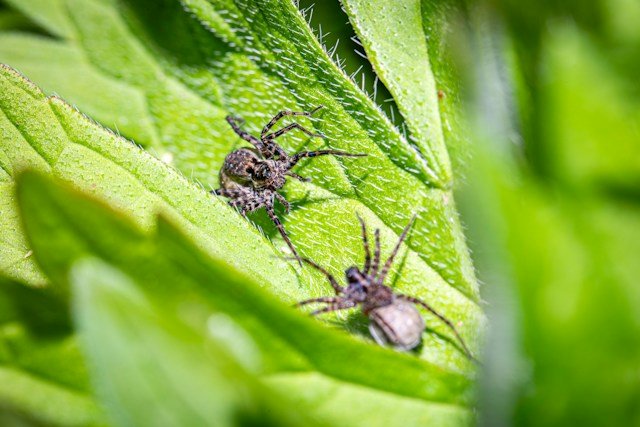
This group of pests is small, often tiny, and easy to overlook until the damage is already noticeable.
Aphids
Soft, pear-shaped bugs clustered on new growth and flower buds, in green, black, yellow or white. Leaves curl and twist, and a sticky film (honeydew) coats the surface below. Ants climbing the stem are a strong clue, since they “farm” aphids for the honeydew.
A hard spray of water knocks most colonies off, and after testing this myself over a few seasons, it rarely needs repeating more than twice. For stubborn clusters, insecticidal soap or diluted neem oil applied in the evening does the job.
Spider Mites
They’re barely visible to the eye but the damage they cause is unmistakable. You’ll notice tiny yellow or white speckles known as stippling spread evenly across the leaf and in heavier infestations fine webbing starts showing up too.. Hold white paper under a leaf and tap it. If tiny specks fall and start crawling, that’s your answer.
They thrive in hot dry weather so raising the humidity and giving the foliage a good rinse really helps keep them under control. For bigger populations insecticidal soap or neem oil does a solid job of knocking them back.
Whiteflies
Brush against the plant and a small cloud of white insects lifts off then settles right back down. They leave behind that same sticky honeydew as aphids and slowly weaken the plant over time.
Yellow sticky traps do a good job catching the adults and spraying insecticidal soap on the undersides of leaves targets the young stages which is honestly where most people end up missing the mark.
Thrips
Thin almost thread like insects that scrape at leaf surfaces and drink up the sap that oozes out. Keep an eye out for silvery streaks tiny black droppings and leaves that look a bit of outshapped.
A good trick is to shake a flower bloom over white paper and watch for them moving around. Blue sticky traps also help with monitoring and bringing their numbers down.
Tunnels, Bumps and Cottony Bits
Some pests don’t chew or leave trails at all. They sit still, tunnel invisibly, or disguise themselves as part of the plant, which is exactly why they get missed for weeks.
Leaf Miners
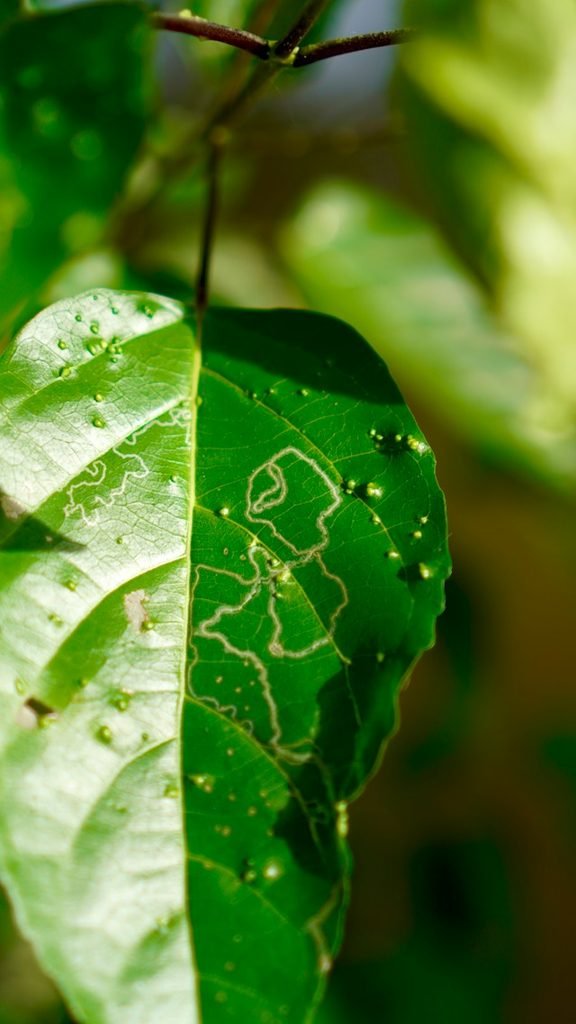
Leaf miners are larvae that live inside the leaf, carving pale, winding tunnels as they eat their way through the tissue. It looks almost decorative, oddly enough, until you realize what’s causing it.
Pinch off and dispose of affected leaves before the larvae mature. Don’t toss them in the compost, or you’ll just relocate the problem.
Scale Insects
Small, brown or tan bumps fixed to stems and leaf undersides. They’re frequently mistaken for a disease or just odd bark texture, since they barely move. They suck and excrete honeydew same as aphids.
Shed them with fingernails. You can also tap it with a cotton swab soaked in rubbing alcohol. Horticultural oil handles larger populations, especially on woody plants.
Mealybugs
Mealybugs look just like little white cotton balls hiding in leaf joints and along the stems. You’ll spot them a lot on houseplants and in greenhouses and they spread slowly but surely if you just ignore them.
The alcohol swab trick works here too and insecticidal soap takes care of anything left behind.
When It’s Not a Bug at All
Not every damaged leaf means a pest is involved. I’ve chased imaginary bugs before, only to realize the real issue was something else entirely.
- Pale color between the leaf veins suggests towards the nutrient deficiency not any insect at all.
- Brown hard edges means the plant isn’t getting enough water it can also means it is getting too much direct sun.
- Soft discolored patches can signal a fungal disease.
- Large bite marks and the entire plant gone overnight may mean rabbit.
If you have checked for pests and found nothing step back. Look at your watering habits sunlight and weather before assuming a bug is to blame.
What to Do Once You Know
Once you’ve identified the pest, resist the urge to overcorrect. Start with the mildest effective option and build up only if needed.
- Hand-pick or hose off where possible, since it’s free and immediate.
- Use traps and barriers such as sticky traps, row covers and stem collars.
- Apply targeted treatments like insecticidal soap, neem oil or Bt, matched to the specific pest.
- Spray in the evening, never midday, to avoid harming bees and other pollinators.
- Recheck within a week, since most pests need more than one round of treatment.
I also recommend separating any heavily infested plant from the rest of the bed if you can. It slows the spread while you work through treatment, and it saves your other plants from catching whatever’s going around.
Prevention and Final Thoughts

A little prevention goes a long way toward never having to ask “what’s eating my plant leaves” in the first place.
Inspect leaves, especially undersides, once a week
Rotate crops each season to disrupt pest life cycles
Water at the base of plants, in the morning, to keep foliage dry
Clear fallen leaves in autumn
Plant flowers like alyssum dill and yarrow to attract ladybugs.
Keep an eye out at dusk and after dark not just during the day.
Here’s the thing about garden pests: they’re not personal, even when it feels that way standing over a ruined basil plant. They’re part of growing anything outdoors. The goal isn’t a flawless garden, it’s catching problems early and knowing what you’re looking at before you reach for a solution.
Next time you spot a chewed or speckled leaf, don’t panic and don’t guess. Look closely, check the clues, and you’ll usually have your answer within minutes.
Frequently Asked Questions
1. How can I tell if it’s a pest or a disease damaging my plant?
Pest damage usually leaves behind physical clues like holes slime trails webbing. You can also actually spot the bugs themselves. Disease on the other hand tends to cause discoloration spots wilting or mushy tissue without any chew marks at all. If you check thoroughly even at night with a flashlight and still find no bugs then a fungal or bacterial issue becomes a lot more likely.
2. What time of day should I check for garden pests?
Check both in the morning and evening since different pests tend to be active at different times. Beetles and caterpillars usually feed during the day while slugs snails and cutworms only come out once it gets dark.. A flashlight check about an hour after sunset will catch the pests that your daytime checks will always end up missing.
3. Why are the holes in my leaves appearing overnight?
Overnight holes are a pretty strong sign that you’re dealing with night-feeding pests like slugs snails or cutworms. These guys hide in the soil mulch or under pots during the day and only come out after dark to feed. A flashlight check after sunset usually reveals the culprit within minutes just like it did with my own basil situation.
4. Is it safe to use neem oil on vegetable plants?
Neem oil is commonly used on vegetables and considered a lower-risk option, but it should still be tested on a few leaves first. Apply it in the evening to protect pollinators, avoid spraying during hot sun, and always follow the product’s label instructions for dilution and frequency.
5. Can I treat pests without harming beneficial insects like ladybugs?
Yes, by starting with targeted methods instead of broad sprays. Hand-picking, water blasts, traps and row covers don’t harm beneficial insects at all. When a spray is necessary, apply it directly to the affected area in the evening, since many pollinators and predators are less active then.