Two summers ago, I walked out to my vegetable bed with a cup of tea and found my zucchini leaves looking like lace. Holes everywhere. I blamed slugs, bought a bunch of slug bait, and felt very clever about it.
Nothing changed. The holes kept coming.
It turned out to be cucumber beetles. I’d been fighting the wrong enemy for almost two weeks because I never actually looked at the damage. That one mistake taught me the most important rule in pest control that is you can’t fix a problem you haven’t identified.
This guide walks you through the most common garden bugs what they look like what damage they leave behind and how to deal with them without destroying your whole garden.
Why Identification Comes Before Treatment

Different pests need different solutions. A spray that wipes out aphids might do nothing against a caterpillar. A trap that works on slugs is useless against beetles that feed in broad daylight.
Worse, grabbing a general-purpose insecticide often kills the helpful insects along with the harmful ones. Ladybugs, lacewings and parasitic wasps are doing free pest control for you. When they disappear, the pest population usually bounces back faster than before.
Based on my experience, five minutes of careful observation saves weeks of wasted effort. It also saves money, because you only buy what you actually need.
How to Inspect Your Plants Like a Detective
Before you can name a pest, you need clues. Pests leave evidence and the evidence tells you more than the bug itself, since many pests feed at night or hide when you show up.
Check These Spots First
- Undersides of leaves: the favorite hiding spot for aphids, mites and whiteflies
- Growing tips and new shoots: soft, tender tissue attracts sap feeders
- Soil surface and base of the plant: where slugs, cutworms and beetle larvae lurk
- Stems and leaf joints: scale insects and mealybugs tuck in here
Read the Damage
Look at how the leaf is damaged. Ragged holes with chewed edges point to caterpillars or beetles. Smooth, shiny trails mean slugs or snails. Tiny pale dots (called stippling) suggest spider mites or thrips. Curled, distorted new growth often means aphids.
Use the Evening Flashlight Trick
I started doing this after the zucchini disaster. Go out an hour after dark with a flashlight. You’ll be shocked at what’s active at night. Slugs, cutworms and some caterpillars only show up after sunset, so you’d never catch them on a morning stroll.
Sap-Sucking Pests
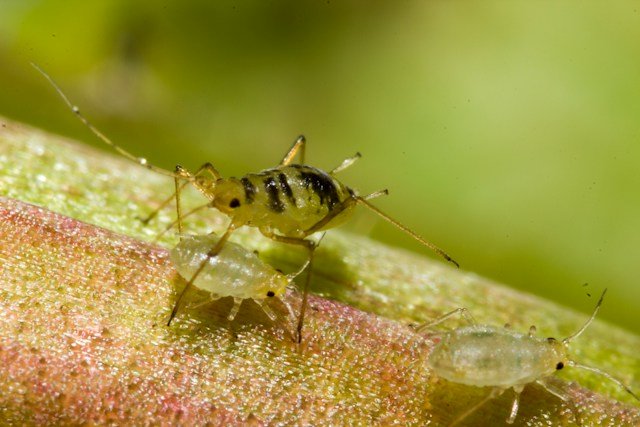
These pests pierce plant tissue and drink the sap. They’re small, they multiply fast, and they cause damage you can easily misread as a nutrient problem or disease.
Aphids
Aphids are smooth pear fashioned bugs approximately the scale of a pinhead. They are available in green, black, yellow, white or even purple shade. They cluster thickly on new growth and flower buds.
Signs to look at for,
- Curled or twisted leaves.
- Sticky residue on leaves.
- Ants marching up and down the stem due to the fact ants farm aphids for that candy honeydew.
- Black sooty mildew growing on the sticky residue.
For a place with less pests , a strong blast of water from the hose pulls them off and that they do not often discover their manner again. For bigger colonies insecticidal cleaning soap or a diluted neem oil spray works properly. Spray within the evening so you do not harm bees.
Spider Mites
Spider mites could be a real problem because they are so small that you might not notice them at first. When you check a plant that doesn’t look quite right Start by looking closely at the leaves. Yellowish or whitish dots spread across the surface can be an early sign of spider mites. If things get worse you may also spot fine webs around the leaves and stems.
One simple trick I like to use is the white paper test is that to place a sheet of white paper below a damaged leaf and gently tap it a few times. Then I watch the paper closely. If tiny specks fall onto it and start moving around. Spider mites could be the reason behind the damage,
In my experience these pests are more troublesome in hot and dry weather. If you notice them on a plant start by washing the leaves with water to remove it.I also pay attention to humidity but make sure if it suits the type of plant you’re growing. If the mites continue to show up use insecticidal soap or a neem oil products. I always follow the instructions on the label before applying any treatment.
The one thing I would definitely not do is to assume that the problem has disappeared after a single treatment. I check the plant again every few days and look for fresh spots or new webs. They can multiply fast so keep an eye on them
Whiteflies
Touch a plant and you’ll notice a small cloud of white moth-like bugs flying up. That’s whitefly trouble. Just like aphids they leave behind a sticky mess called honeydew and slowly drain the plant’s strength over time.
Yellow sticky traps are a simple way to keep an eye on adult whiteflies and bring their numbers down. But the real trick is spraying insecticidal soap under the leaves since that’s where the young ones hide. Most gardeners miss this part and just spray the tops which barely does anything.
Thrips
Thrips are tiny slender bugs that scrape the leaf surface and feed on the sap that oozes out. The result? Silvery streaks black specks from their droppings and flowers or buds that end up looking deformed.
They’re really hard to spot. Try shaking a flower over a white sheet of paper and watch for tiny moving slivers. Blue sticky traps work well to attract them and keeping weeds down near your beds gives them fewer places to hide
Chewing Pests
If you can see actual pieces missing from leaves, you’re probably dealing with a chewer. These are usually easier to spot than sap suckers, and you can often control them by hand.
Caterpillars
Caterpillars are basically the larvae of moths and butterflies and honestly some of them can be real troublemakers in your garden.
Cabbage worms are small green caterpillars that blend in so well with kale broccoli and cabbage leaves you’ll barely notice them.
Tomato hornworms are huge bright green and can grow up to four inches long with a little horn sticking out at the rear. You’d think something that big would be easy to spot right? Wrong. I once stood right next to one for a full minute before it even moved.
Cutworms are fat gray or brown larvae that like to curl up in the soil and snip your seedlings off right at the base.
If you’re only dealing with a few just hand-picking them off works great. But if things get out of control Bacillus thuringiensis or Bt is your best friend. It’s a naturally occurring bacterium that goes after caterpillars specifically and that’s why it’s so popular in organic gardening. Row covers help too since they keep the egg-laying moths away from your crops in the first place.
One thing worth mentioning though: if you spot a hornworm covered in tiny white rice-like cocoons just leave it be. Those are actually parasitic wasp pupae and they’re basically about to do your dirty work for you.
Beetles
Beetles are hard-bodied bugs and they come in all sorts of varieties.
Cucumber beetles were actually the culprits behind my zucchini disaster. They’re yellow-green with stripes or spots and they chew through leaves and flowers while also spreading bacterial wilt along the way.
Japanese beetles are that metallic green and copper color and they basically skeletonize leaves leaving nothing but the veins behind. You’ll see them most on roses beans and grapes.
Flea beetles are tiny jumpy little things that leave behind dozens of small “shotgun” holes especially in eggplant radishes and arugula.
One trick that works surprisingly well is to shake the beetles into a bucket of soapy water early in the morning while they’re still slow and sluggish. It sounds simple but it really gets the job done. On top of that floating row covers can protect your young plants and if you make it a habit to rotate your crops every year you’ll end up breaking their life cycle so they don’t keep coming back season after season.
Slugs and Snails
These aren’t insects, but no pest guide is complete without them. They feed at night and leave irregular holes plus those telltale silvery slime trails.
What has worked for me:
- Water in the morning rather than evening, so the soil surface is drier at night
- Set shallow beer traps or use iron phosphate bait (considered safer around pets and wildlife)
- Remove hiding spots like boards, pots and thick mulch right against stems
- Go out with a flashlight and pick them off by hand
Sneaky Pests Hiding in Plain Sight
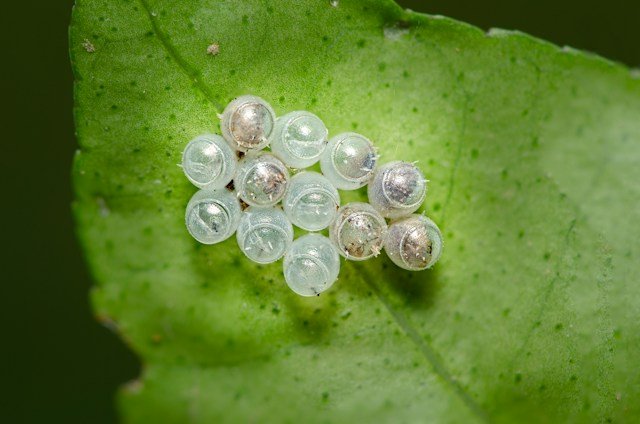
Some pests don’t look like pests at all. They sit still, blend in, and are easy to mistake for part of the plant.
Scale Insects
Scale look like small, brown or tan bumps stuck to stems and leaves. They’re often mistaken for a plant disease or bark texture. They suck sap and excrete honeydew, just like aphids.
You can scrape them off with a fingernail or dab them with a cotton swab dipped in rubbing alcohol. Horticultural oil smothers the rest, especially on woody shrubs and houseplants.
Mealybugs
Mealybugs look like tiny bits of white cotton clustered in leaf joints and along stems. They’re common on houseplants and in greenhouses. The alcohol-swab method works well here too, but check surrounding plants, because they spread slowly but steadily.
Leaf Miners
Leaf miners are tiny larvae that tunnel inside the leaf, leaving winding, pale squiggles. They’re mostly a cosmetic issue on many plants, though they can hurt leafy crops like spinach and chard.
The simplest fix is to pinch off and bin affected leaves before the larvae mature. Don’t compost them.
Don’t Mistake the Good Bugs for Bad Ones
This is the part many beginners skip, and it’s the part I wish someone had told me earlier. Not every insect in your garden is out to get you.
The Helpful Crew
Ladybugs:-
Adults and their spiky, alligator-looking larvae both eat aphids by the hundreds
Lacewings:-
Delicate green adults with lacy wings, but their larvae are voracious aphid hunters
Hoverflies:-
Look like small bees, but they don’t sting, and their larvae eat aphids
Ground beetles:-
Dark, fast-moving beetles that patrol the soil for slugs and cutworm larvae
Parasitic wasps:-
Tiny and harmless to people, they lay eggs inside pests like caterpillars and aphids
Ladybug larvae are the ones people most often squash by mistake. Spiky, dark and orange-spotted, they look like something you’d want gone. Please don’t.
How to Invite Them In
Plant flowers like alyssum, dill, fennel, yarrow and cosmos. They provide nectar and pollen that beneficial insects need. A small patch of “messy” garden with a shallow water dish also helps.
Common Mistakes Gardeners Make
After years of trial and error (mostly error), these are the traps I see people fall into most often:
- Spraying before identifying. You might waste product or harm good insects.
- Spraying in the heat of the day. Oils and soaps can burn leaves and hurt pollinators. Evening is safer.
- Overdoing it. More isn’t better. Follow label directions and spot-test a few leaves first.
- Ignoring plant health. Stressed, overwatered or underfed plants attract pests like a magnet.
- Giving up too early. Organic treatments often need repeat applications every few days.
Simple Prevention That Actually Works

The best pest control is the kind you never need. A few habits go a long way:
- Rotate crops so pests that overwinter in soil don’t get a free buffet next year.
- Use row covers early in the season, before pests arrive.
- Water at the base of plants, not from above, to keep foliage dry.
- Clean up debris in autumn, since many pests overwinter in fallen leaves and plant waste.
- Plant diversely. A mixed garden confuses pests and supports predators.
- Inspect weekly. Catching a problem when it’s ten bugs is far easier than when it’s ten thousand.
I keep a small notebook by the back door and jot down what I spot each week. After a season or two, patterns emerge. I now know roughly when cucumber beetles show up, and I put the row covers on a week before.
What’s Changing in Pest Management
Gardeners are leaning more toward integrated pest management (IPM), a layered approach that starts with prevention and observation and treats only when needed, using the least harmful option first. It’s less about wiping bugs out and more about keeping balance.
There’s also growing interest in native plants, pollinator-friendly landscaping and biological controls like releasing beneficial insects. Apps that help identify insects from a photo are getting better too, though I’d still double-check anything important against a trusted local source, like your regional extension service.
Final Thoughts
Garden pests can feel like a personal attack, but they’re part of any living garden. The goal isn’t a perfectly bug-free yard. It’s a healthy, balanced one where problems get caught early and handled gently.
Start small. This week, flip over a few leaves, take a flashlight out after dark, and just look. You’ll learn more in one evening than in a dozen random product purchases. And when you find your own version of the zucchini mystery, take a breath, identify first, and act second.
Happy gardening, and may your leaves stay hole-free (or at least mostly).
Frequently Asked Questions
1. What’s the easiest way to tell aphids from other small garden bugs?
Look for soft, pear-shaped bodies clustered on new growth or buds, often in green, black or yellow. Aphids usually move slowly, leave sticky honeydew, and attract ants. If the bugs jump or fly off in a cloud when disturbed, you’re more likely looking at flea beetles or whiteflies.
2. Are all bugs in my garden harmful?
Not at all. Many insects, such as ladybugs, lacewings, hoverflies and ground beetles, actively eat pests. Before treating anything, identify what you’re seeing. Killing beneficial insects can actually make pest problems worse, because the natural predators that keep populations in check disappear.
3. How can I tell what’s eating my plants if I never see the bug?
Study the damage pattern. Ragged holes suggest caterpillars or beetles, slime trails point to slugs, and tiny speckles suggest mites or thrips. Many pests feed at night, so a flashlight check after dark is very useful. Cut-off seedlings at soil level usually mean cutworms.
4. Is neem oil safe to use on every garden plant?
Neem oil is widely used and considered a lower-risk option, but it isn’t perfect for every plant or situation. Always test a small area first, avoid spraying in strong sun or heat, and apply in the evening to protect pollinators. Follow the product label carefully.
5. How often should I check my garden for pests?
Once a week is a solid habit, and twice a week during peak summer. Focus on leaf undersides, new growth and the base of plants. Catching a small population early makes control much easier, often just hand-picking or a quick water spray, instead of repeated treatments later.