I almost threw out a perfectly healthy fern once because of spider mites. The leaves had turned this dull, dusty bronze color, and I genuinely thought it was some kind of disease. I was already carrying it to the trash when I noticed something that stopped me cold: fine, almost invisible webbing strung between the leaves, like the plant had been visited by a very tiny, very committed spider.
It wasn’t a spider. It was spider mites, and by the time I noticed the webbing, the infestation was already well underway. That fern survived, barely, and I learned a hard lesson about how sneaky these pests really are.
If your plant leaves look speckled, dusty or oddly pale and you can’t figure out why, this guide will walk you through exactly how to spot spider mites and deal with them before they do serious damage.
What Are Spider Mites
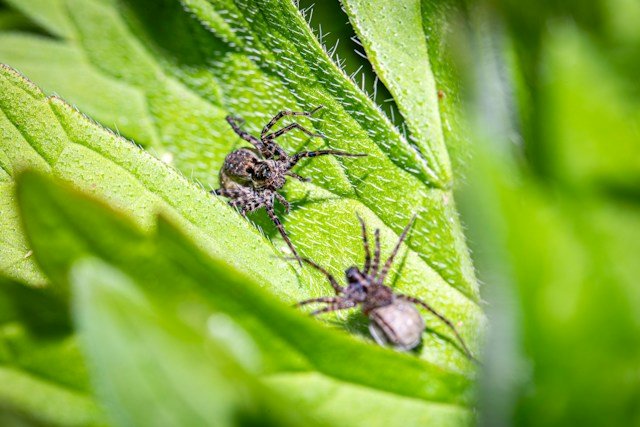
Spider mites aren’t actually insects. They’re tiny arachnids, closely related to spiders and ticks, which explains the webbing and the eight legs once you look closely enough. Most species are barely visible to the naked eye, often no bigger than a grain of ground pepper.
They feed by piercing individual plant cells and sucking out the contents, which is a slower, more tedious process than how aphids feed, but no less damaging over time. A few mites on a plant usually go unnoticed. The problem is that, much like aphids, their populations explode fast, especially in hot, dry conditions.
Based on my experience, spider mites are one of the most commonly misdiagnosed garden problems, because the early damage looks a lot like drought stress, nutrient deficiency or just general plant unhappiness.
How to Identify Spider Mites on Your Plants
Spotting spider mites takes a bit more effort than spotting something like a caterpillar, mostly because of their size. Here’s what actually works.
What They Look Like
- Extremely small, often under half a millimeter long
- Colors range from pale yellow or green to red or brown, depending on the species
- Eight legs, though you’ll likely need a magnifying glass to count them
- Fine, silky webbing on heavily infested plants, usually between leaves and stems
The Paper Test
This is the trick that finally worked for me. Just hold a plain sheet of white paper under a leaf you think might be infested then tap the leaf firmly. If tiny specks fall onto the paper and start crawling around a few seconds later you’ve got spider mites. It sounds almost too simple but it’s honestly one of the most reliable ways to confirm them without needing a magnifying glass.
Signs of Infestation
- Fine, pale yellow or white speckling across the leaf surface, known as stippling
- Leaves that look dusty, bronzed or washed out overall
- Fine webbing on the undersides of leaves and between stems in advanced cases
- Leaves that eventually turn yellow, dry out and drop
- Damage that spreads from a few leaves to the whole plant surprisingly fast
Why Spider Mites Show Up
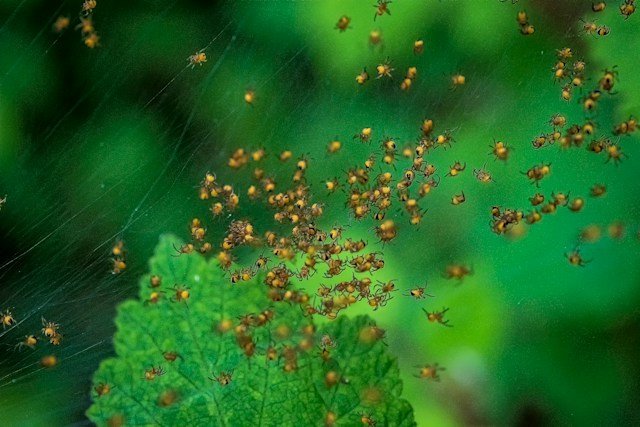
Spider mites survive under a very specific set of conditions. Understanding these conditions actually explains why some plants get hit hard while others right next to them stay perfectly fine.
Hot dry weather is the single biggest trigger here. Spider mite populations can literally double in just a few days when it’s warm and humidity is low which is exactly why outbreaks tend to spike during mid to late summer and also why indoor plants sitting near heating vents often get hit even in winter.
Dusty leaves make things worse, since dust can interfere with a leaf’s natural defenses and makes it easier for mites to settle in undisturbed.
Over-stressed plants, whether from drought, poor soil or inconsistent watering, are more vulnerable, similar to how stressed plants attract aphids more easily.
Indoor environments are particularly prone to spider mites because the dry, stable air and lack of natural predators or rain create close to ideal breeding conditions.
The Damage They Cause
Spider mite damage builds up really slowly which is part of what makes it so easy to miss until it’s already fairly advanced.
As mites feed they:
Puncture individual leaf cells draining them of their contents one by one
Cause stippling those tiny pale dots that eventually merge together into bigger discolored patches
Reduce photosynthesis since the damaged leaf tissue can’t process sunlight properly anymore
Weaken the plant’s overall vigor leading to slower growth and fewer blooms
Cause leaf drop if the infestation gets severe and goes on for too long
Unlike some pests that cause obvious dramatic damage overnight spider mites work gradually.
A plant can look “just a little dusty” for weeks before you even realize the problem has spread across most of its leaves. If left untreated long enough especially on houseplants or stressed outdoor plants a heavy infestation can genuinely end up killing the plant.
How to Get Rid of Spider Mites

After testing this myself on everything from my houseplants to outdoor tomatoes here’s what actually works and keeps working.
Start With Water
Spider mites really hate moisture and they love dry conditions so a strong rinse from the hose or even a shower for your houseplants genuinely makes a difference. Just focus mostly on the undersides of the leaves since that’s where mites tend to pile up and keep repeating this every couple of days for about a week or so.
Increase Humidity
Dry air practically rolls out the red carpet for spider mites so bumping up the humidity around your affected plants can slow their reproduction down quite a bit. If you’ve got houseplants try a pebble tray with some water underneath or just pop a small humidifier nearby and you’ll notice the difference.
Insecticidal Soap
Insecticidal soap does a solid job against spider mites as long as you apply it properly. A few things I learned the hard way:
- Spray early in the morning or in the evening and never under harsh midday sun
- Make sure you coat the undersides of the leaves not just the tops since that’s where the mites actually hang out
- Reapply every five to seven days because the soap won’t touch the eggs
- If you’re working with sensitive plants test a small spot first before going all in
Neem Oil
Neem oil works a bit slower but it messes with the mites’ feeding and reproduction over time which eventually wears them down. Mix it according to the label usually with a touch of mild soap so it sticks to the leaves better and keep applying it weekly until the damage stops showing up.
Miticides as a Last Resort
If you’re dealing with a really bad infestation that just won’t budge with soap or neem oil then a dedicated miticide might be your next move. These are more targeted than regular insecticides but you still want to go easy on them and stick to the label directions since overdoing it can actually create mite populations that become resistant over time.
Natural Predators That Help
This is honestly where spider mite control starts feeling kind of satisfying because nature’s already figured out the solution way before we did.
Predatory Mites
I know it sounds weird but yeah there are mites out there that literally eat other mites. You can actually buy predatory mites commercially and they’re used a ton in both greenhouses and home gardens. Once they settle in they can clear out a spider mite population shockingly fast.
Ladybugs and Lacewings
Ladybugs and lacewing larvae are both great at eating spider mites and they’ll go after aphids too which makes them super useful if your garden’s dealing with more than one pest problem at once.
How to Encourage Them
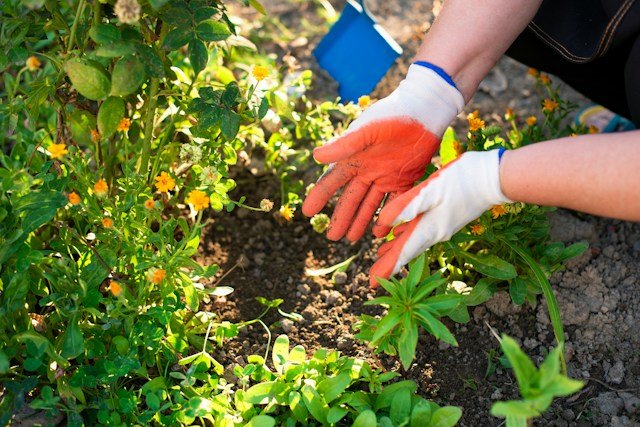
Try to stay away from broad-spectrum pesticides because they end up killing off predatory mites and other helpful bugs right alongside the pests you’re trying to get rid of
Plant things like yarrow dill and alyssum since these flowers naturally pull in beneficial insects
Let one corner of your garden stay a little wild and less “perfect” because predators need somewhere to hide out and feel safe too
A couple years back I planted a small patch of yarrow near my tomato beds just kind of on a whim honestly didn’t think much of it at the time. But the drop in spider mite flare-ups since then has been noticeable enough that I just keep doing it every season now without even thinking twice.
Common Mistakes People Make
- I’ve made a few of these mistakes myself so take it from someone who learned the hard way.
- Mistaking the damage for drought stress is a big one. This can delay treatment by weeks sometimes since the symptoms look so similar at first glance.
- Spraying only once is another common slip up. Spider mite eggs survive most treatments so just one application rarely gets the job done.
- Ignoring humidity is a mistake people don’t even realize they’re making. Treating the mites while leaving the dry conditions exactly the same just invites them right back in.
- Using harsh pesticides unnecessarily can backfire too. This ends up killing off predatory mites and other beneficial insects and sometimes that actually makes the whole problem worse down the line.
- Not checking nearby plants is the last one and it’s an easy trap to fall into. Spider mites spread fast to neighboring plants so you really need to check the whole area not just the one plant that looks obviously affected.
Preventing Future Infestations
- Look prevention beats treatment every single time when it comes to spider mites and honestly it just takes a handful of small habits to keep them from ever becoming a problem.
- Try to keep the humidity at a decent level especially if you’ve got houseplants that are stuck breathing in dry indoor air all day.
- Get into the habit of checking your leaves every once in a while and seriously don’t skip the undersides because that’s exactly where things go unnoticed until it’s too late especially during those hot dry stretches when mites really start thriving.
- Don’t let your plants get stressed out in the first place. Water them consistently keep the soil healthy and they’ll naturally be able to fight off problems a lot better on their own.
- Every so often just give those dusty leaves a quick rinse because dust buildup basically rolls out the welcome mat for mites without you even realizing what’s happening.
- If you ever bring new plants home do yourself a favor and quarantine them for a week or two before letting them hang out with your existing collection just to be safe.
- And if you’ve got an outdoor garden going try working in some companion planting to pull in natural predators. Honestly it works way better than you’d think and it’s basically just letting nature handle the dirty work for you.
Final Thoughts
Spider mites are small sneaky and honestly really easy to overlook until the damage has already gotten pretty advanced. But once you know what to look for especially that telltale stippling and fine webbing you can catch them early and deal with them without much drama at all.
A little extra humidity a regular rinse and some patience with soap or neem oil treatments and you’ll usually come out on top. I still check the undersides of my fern’s leaves out of pure habit now every single week and honestly it’s saved me from a repeat disaster more than once.
Frequently Asked Questions
1. How do I know if it’s spider mites and not just dust on my plant?
Try the paper test: hold white paper under the leaf and tap it firmly. Dust won’t move on its own, but spider mites will start crawling within seconds. You can also look for fine webbing between leaves and stems, along with pale stippling across the leaf surface, which dust alone never causes.
2. Can spider mites spread to other plants in my home or garden?
Yeah and pretty easily actually. Spider mites can move between neighboring plants on their own through contact or even catch a ride on your hands and gardening tools without you realizing it. If you spot an infestation make sure you check all the nearby plants closely too and it’s probably smart to isolate the affected one while you treat it so the spread doesn’t get worse.
3. Why do spider mites seem worse in summer or indoors in winter?
Spider mites thrive in hot dry conditions which explains why outdoor outbreaks tend to spike in summer. Indoors heating systems dry out the air a lot during winter which creates pretty similar favorable conditions for mites. Either way raising the humidity around your affected plants is one of the most effective ways to slow down their reproduction.
4. Is it safe to use neem oil or insecticidal soap on all plants?
Mostly plants adjust well with neem oil and soap sprays but often you will run into a sensitive one that just doesn’t react well. So test a small spot first. Skip spraying under extreme heat and follow the label for dilution. Not sure? Evening treatments are your safest bet against leaf burn.
5. Will my plant recover after a spider mite infestation?
Honestly in most cases yeah your plant can really bounce back especially if you manage to catch the infestation early before it causes too much leaf drop. The key here is just staying consistent with treatment working on improving the humidity and overall growing conditions and not being afraid to trim away any badly damaged leaves. This way the plant can put its energy into pushing out fresh healthy growth instead of wasting it trying to save what’s already too far gone. Just give it some patience and a few weeks of steady care and you’ll usually start noticing it perking back up on its own.