Introduction
Three years ago I killed my first snake plant. Yes, the one everybody calls “unkillable.”
I had read it was nearly impossible to kill, so I watered it every Sunday like clockwork. A few week later the leave went soft and yellow at the base. I pulled it out of pot the root were brown mush whole thing smelled like swamp.
That plant taught me something I now repeat to everyone who ask snake plants do not die from neglect they die from kindness. Everything come back to the roots. you get them right plant take care of itself.
Here are the nine things I have learned from rescuing, repotting and propagating these plant since then.
Why Healthy Root Matter for Thriving Snake Plant
Snake plant grow thick underground stem call rhizome. Thin root grow off the rhizome to absorb moisture essential nutrient
That design is great for drought and terrible for waterlogged soil. Rhizomes sitting in wet soil rot quickly and once rot spread, the leave above can’t survive.
The good news is that healthy root are easy to build once you understand what the plant wants dry ish soil plenty of air around the roots and little patience.
Use a Truly Fast Draining Soil Mix
This is the single biggest factor, and the one most people get wrong.potting soil is made to hold moisture. For a snake plant, that’s a slow disaster.
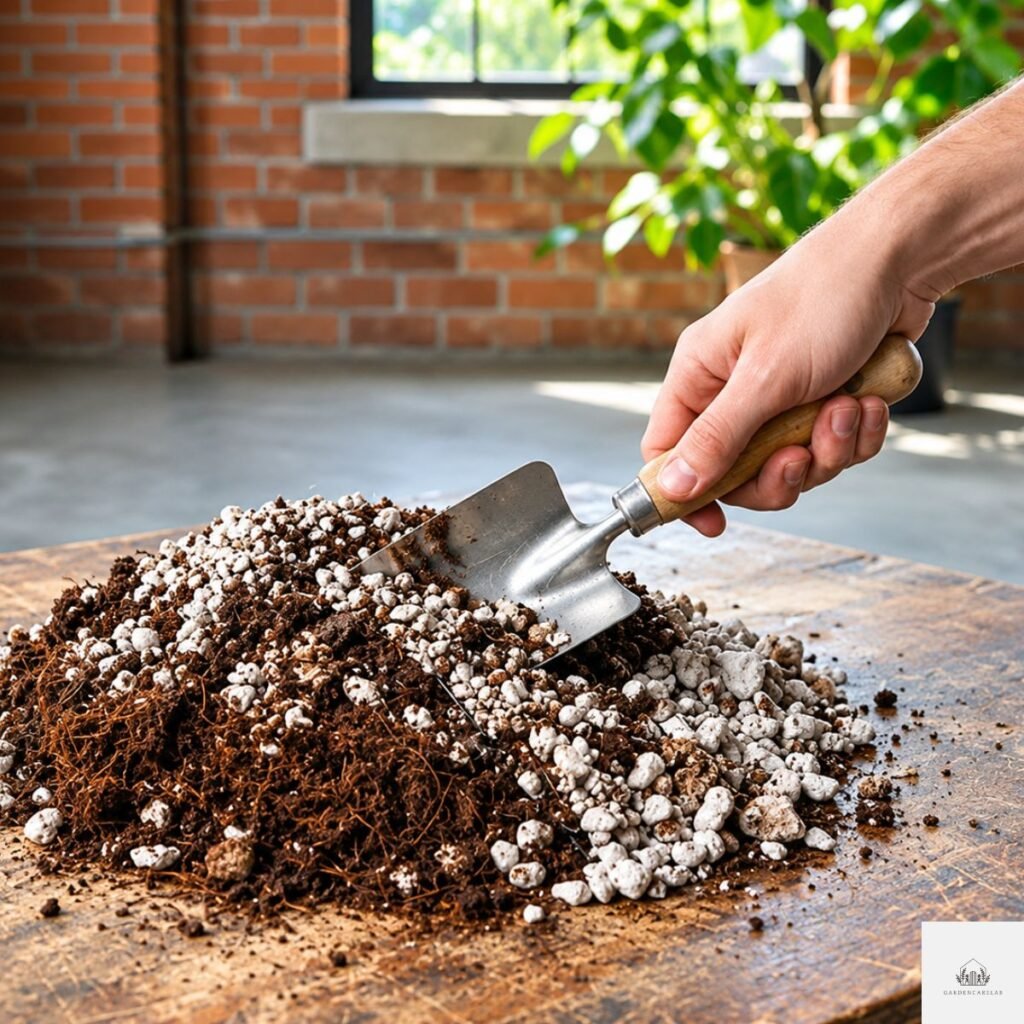
I use a simple mix that has worked for me for years:
- 2 parts cactus or succulent mix
- 1 part perlite or pumice
Goal is a mix that feel gritty not mucky. The water should rush through drain out within second. If it pool on top or the soil clump when squeezed it is too heavy.
Early on I tried regular indoor potting soil straight from bag. The plant looked fine for two month then slowly started leaning and softening. Switching to gritty mix fixed the problem within season.
Pick the Right Pot Size Material
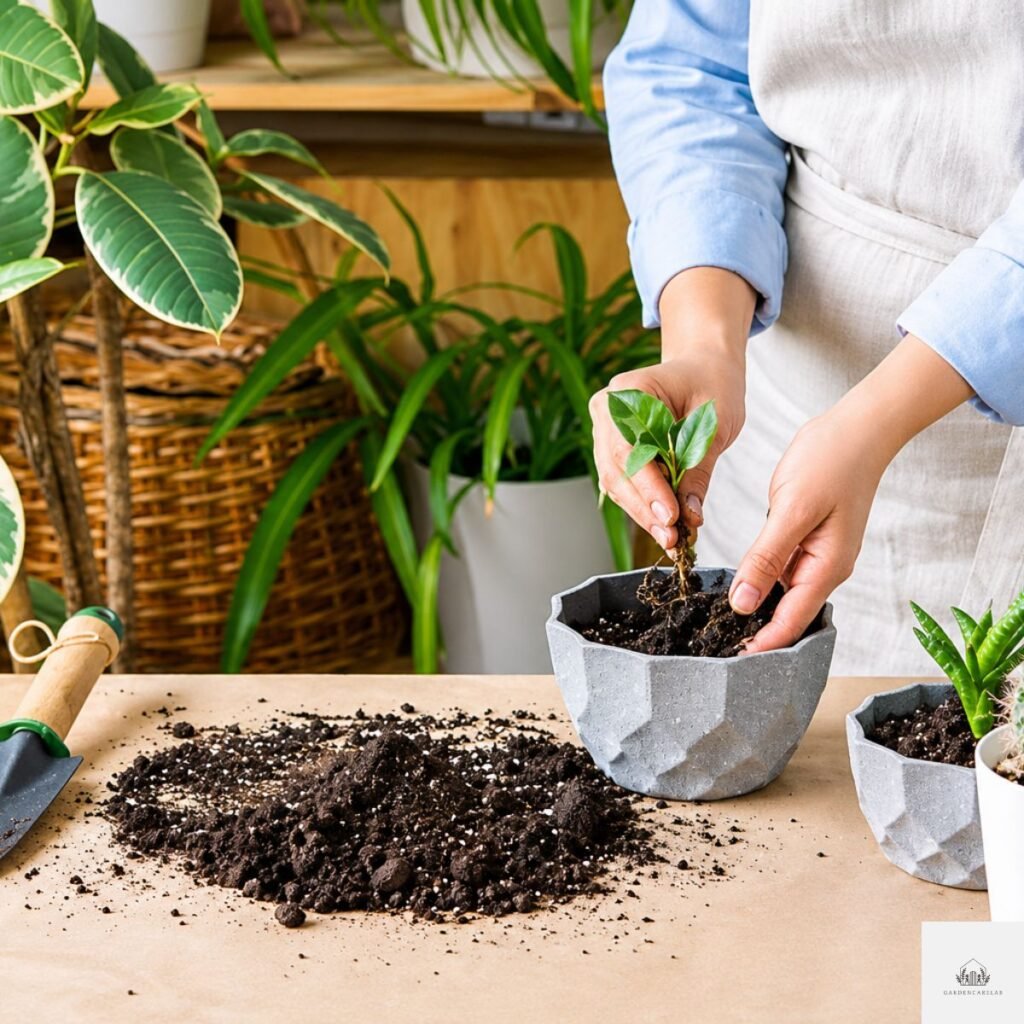
Pot choice affects root health most people realize. Two things matter drainage holes and size.
Always use a pot with drainage holes. I know decorative pots without holes look great. If you love one keep the plant in a plain nursery pot and slip it inside the pretty one. Just empty any water that collects at the bottom.
Go small, not big. Snake plants like being a little snug. Choose a pot only 1–2 inches wider than the root ball.
Terracotta is my favorite. The clay is porous and pulls moisture out of the soil which gives roots a better chance to dry between waterings. Plastic works fine too, but you will need to be more careful with your watering.
Water Less Than You Think
If you only take one thing from this article, take this: water only when the soil is completely dry.
Here’s how I check without guessing:
- Push your finger about two inches into the soil.
- If you feel any moisture or coolness, wait.
- Let it drain fully and never leave it standing in a saucer of water.
In summer, that usually means every 2–3 weeks in my home. In winter it can stretch to once month or even longer, because growth slows and the soil take forever to dry.
A wooden skewer pushed to the bottom of the pot works too.
One honest opinion: a calendar is a bad way to water any plant. Your light, pot, and season change the answer every time, so check the soil instead of the date.
Give It Bright, Indirect Light
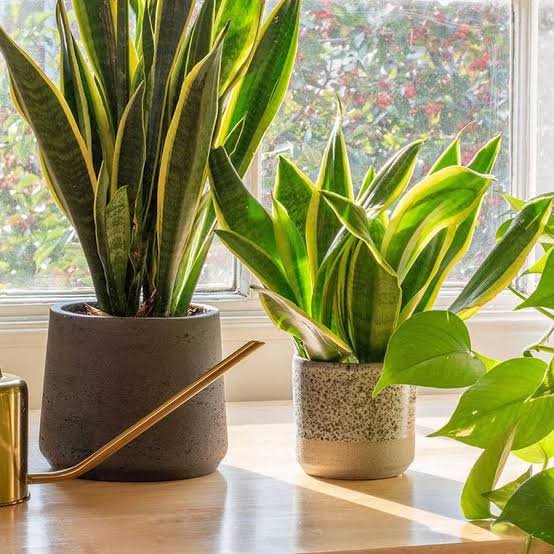
Snake plants are famous for tolerating dark corners, and they do survive there. But “survive” and “strong roots” are different things.
Light drives photosynthesis and photosynthesis fuel root and rhizome growth. A plant in low light uses less water, so its soil stays wet longer, which is double hit to the roots.
What works best in my experience:
- A spot near an east or west facing window with bright, filtered light
- A few feet back from a south facing window
- Some gentle direct morning sun is fine
Hot afternoon sun through glass can scorch the leaves, leaving pale brown patches. If you have a dim room water even less and consider a small grow light.
Feed Lightly and Only When It’s Growing
Feed Lightly and Only When It’s Growing
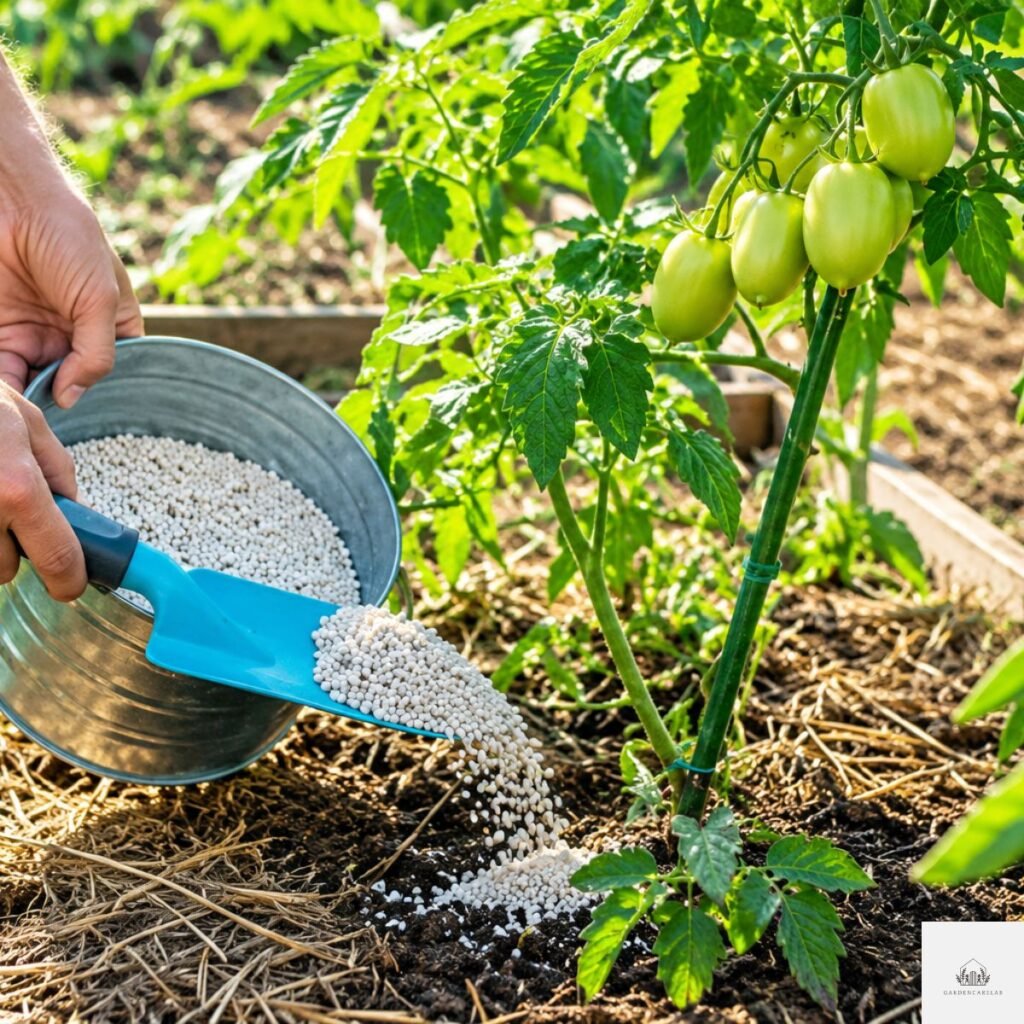
Snake plants are not hungry plant. Too much fertilizer can burn the fine root and salt buildup in the soil makes things worse.
My routine is simple. During spring and summer, I use a balanced houseplant fertilizer diluted to half strength about once every 6–8 weeks. In fall winter I do not feed at all.
Repot Only When It’s Actually Needed
Repotting too often is another sneaky root problem. Snake plants like being a bit root-bound, so you don’t need to upgrade the pot every year.
Signs it’s time to repot:
- Roots or rhizomes poking out of the drainage holes
- The pot bulging or cracking (rhizomes are strong enough to split plastic pots)
- The plant toppling over because it’s top-heavy
- Water running straight through with almost no soil left to hold it
Most of mine need repotting every 2–3 years. Do it in spring early summer when the plant is actively growing.
When you repot go up one size use fresh gritty mix wait about a week before watering. That give any small root damage time to heal.
Check the Roots Regularly
This one feels odd at first but a quick root check once a year has saved several of my plant. If something look off check right away.
Slide plant out of its pot and look what you have got:
- Healthy root are firm light color smell earthy.
- Rotting root are brown black and smell sour rotten.
If you find rot do not panic. Here is what I do:
- Cut away all soft dark root and rhizomes section with clean sharp scissor.
- Let the plant sit out for day so the cut dry and callus.
- Repot in fresh dry gritty mix and clean pot.
- Wait a week or so before watering lightly.
I rescued a badly rotted plant this way last year. It looked like sad stump but it pushed out new leave about two months later. Snake plant really are tough as long as you catch problem and fix the conditions.
Propagate by Division to Keep the Plant Fresh
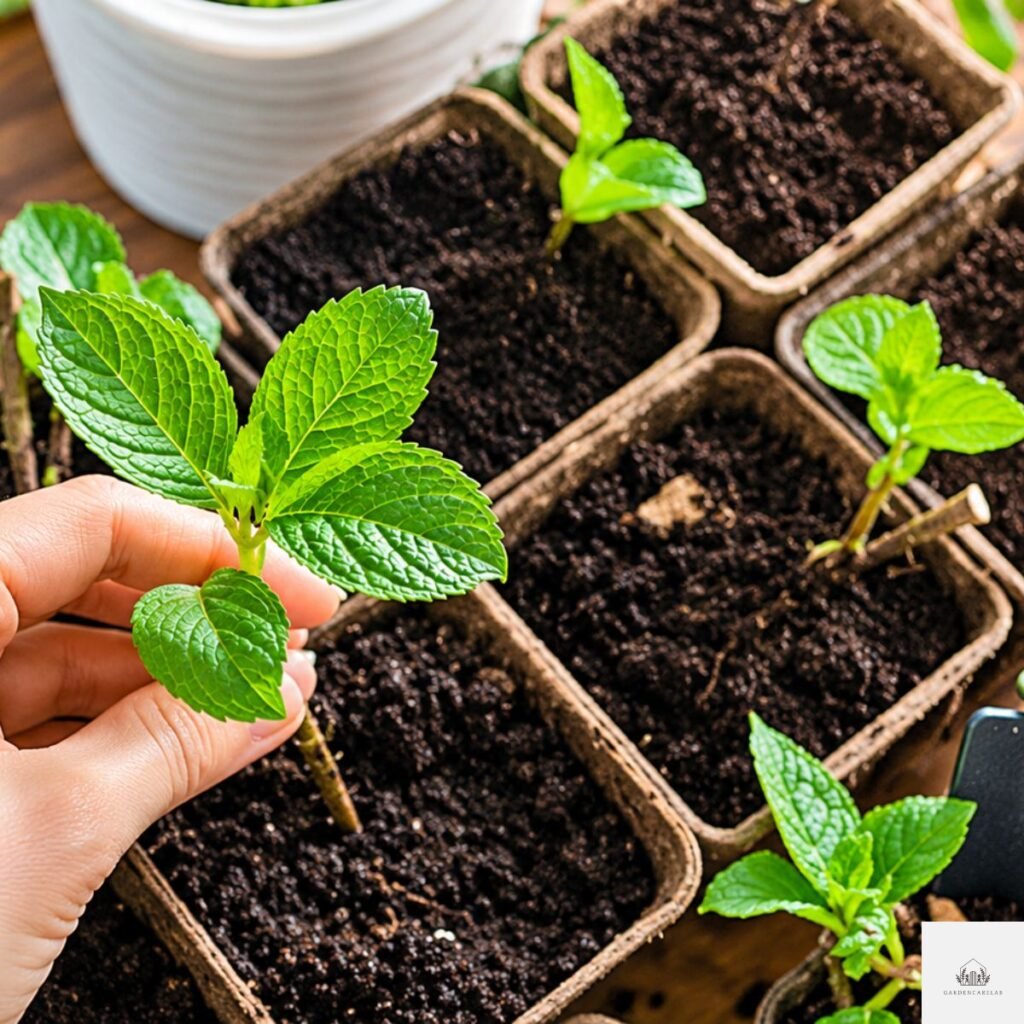
Dividing a crowded snake plant is one of the best thing you can do for root health and it give you free plants.
When a clump gets dense root compete for space and nutrients. Dividing it relieve that pressure.
To do it remove the plant from the pot find natural separation in the rhizome and gently pull cut them apart so each section has leaves and some root. Pot each section in fresh mix water lightly after few days.
You can also propagate from leaf cuttings in water soil. It is slower, and variegated types like ‘Laurentii’ lose their yellow edges when grown from leaf cuttings. Division keeps the pattern, so it’s the better choice for those.
Common Mistakes to Avoid
After a few years of trial and error, these are the mistakes I see most often, and made myself:
- Watering on a schedule instead of checking the soil
- Using a pot with no drainage or letting water sit in a saucer
- Oversized pots that stay wet far too long
- Heavy, dense soil that suffocates roots
- Overfeeding in winter or when the plant isn’t growing
- Ignoring early warning signs like soft leaf bases, a sour smell, or yellowing leaves
If you fix just two of these, soil and watering, you’ll prevent most root problems.
Where Snake Plant Care Is Heading
Snake plants keep growing in popularity and the care conversation is shifting too. More people are moving toward mineral based gritty soil mix and away from peat heavy bags. Soil moisture meters are getting cheaper and more reliable for beginner. There is also growing interest in sustainable option like coco coir reusable clay pots.
New compact and colorful varieties keep appearing, but their root needs are basically same. Whatever variety you pick, the principle holds: dry ish soil good airflow, and snug pot.
Conclusion
If I could go back and talk to myself standing over that first rotted plant, I’d say this: relax. Snake plants don’t want much from you. Give them gritty soil a pot with hole bright light, and a lot of patience between watering.
Strong roots aren’t built by doing more. They’re built by doing less, and doing it right. Start with soil and watering tip, since those two make the biggest difference then add the rest over time.
Thanks for reading. I hope your snake plant is soon sending up new leaves, and if you’ve had a rotting scare of your own, you’re in good company. Mine taught me plenty.
Frequently Asked Questions
1. How often should I water a snake plant?
Every 2-3 weeks in the warmer month and about once a month even less in winter. Before watering, push finger into the soil. If it is still even a little damp hold off. When in doubt wait few more days. A thirsty snake plant bounce back easily but soggy one often does not.
2. What are the sign of root rot?
The base of leave goes soft and mushy the leave turn yellow or droop and soil give off sour smell. Slide the plant out of it pot and take look rotten root are dark brown black and squishy while healthy one are firm and pale. The sooner you catch it better odds of saving plant.
3. Can a snake plant live in water alone?
Cuttings will happily grow roots in water, so that part work. For the long run, though soil is the better home. Roots that grow in water are built for water, and they often struggle rot once move soil. If you do keep it water change it often give plant bright light.