Introduction,
A few years ago, I killed my first Monstera. Not slowly, either. I bought a beautiful, shiny leaved plant, planted it in the bag of regular potting mix. I already had in the garage, and watered it regularly every few days because I believed that is what good plant care meant. after just two months, the lower leaves started yellowing, the stems started getting soft and the whole pot smelled like a swamp.
The plant was not asking for more attention. It was asking for better dirt.
Since then I have repotted dozens of Monsteras, mine and friends’, and tested more soil mixes than I would like to admit. Here is everything I have learned about best soil for Monstera plants in plain language.
Why Soil Matters More Than You Think.
Most people obsess over light and watering schedule then grab whatever soil is closest. But soil quietly control both of those things. It affects how fast water drains,how much oxygen gets to the roots, and how long moisture remain after you water.
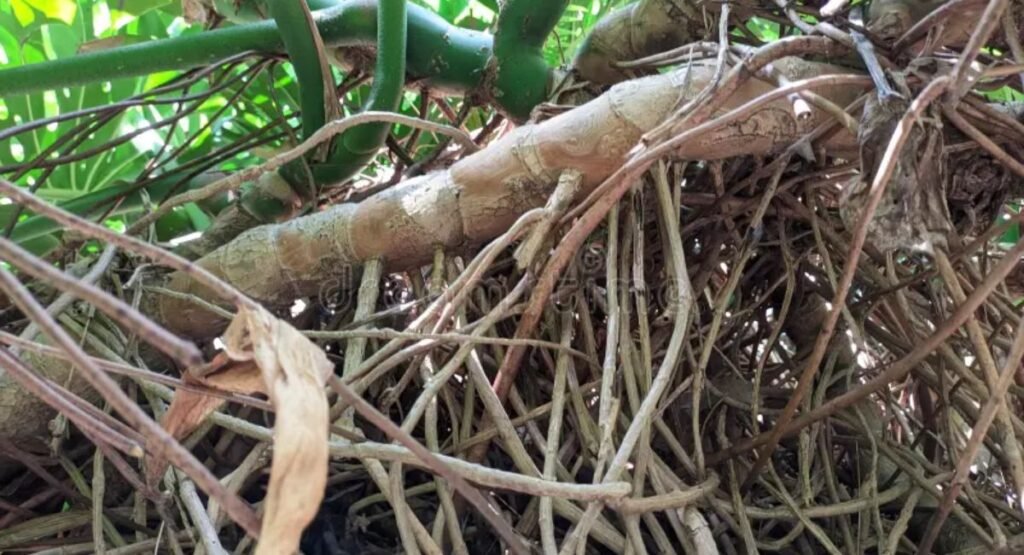
Monsteras are clear example of why this is important. naturally, they are climbing plant that grow up tree trunks in tropical rainforests, with roots that grow through fallen leaves, bark, and pockets of organic material. That environment is loose, airy and drains quickly. heavy waterlogged soil is as far from that as you can get.
When the soil remain wet for too long roots can not breathe. Oxygen-starved roots start to rot, and root rot is the most common cause Monsteras die in homes. A good soil mix doesn’t just feed your plant. It protects it from your own enthusiasm with the watering can.
What Monstera Roots Actually Want.
Think of the ideal Monstera soil as balance of three thing: moisture, air, and a little nutrition.
Chunky structure. Larger particles create air pocket so roots can breathe.
Fast drainage. Excess water should flow out the bottom within seconds, not pool at the top.
Some moisture retention. The soil shouldn’t dry out instantly. Monsteras like to stay lightly damp between waterings, just not soaking.
A slightly acidic to neutral pH. Roughly 5.5 to 7.0 work well for most houseplant of this type.
Standard potting soil is usually fine and peaty, which means it can compact over time and holds water like a sponge. That is great for a thirsty tomato plant and not ideal for a Monstera. The goal is to keep the plant’s roots in something that feel more like a forest floor than a flower bed.
The Key Ingredients.
You do not need dozen exotic components. Most good mixes are built from handful of ingredients each with a specific job.
Potting Mix.
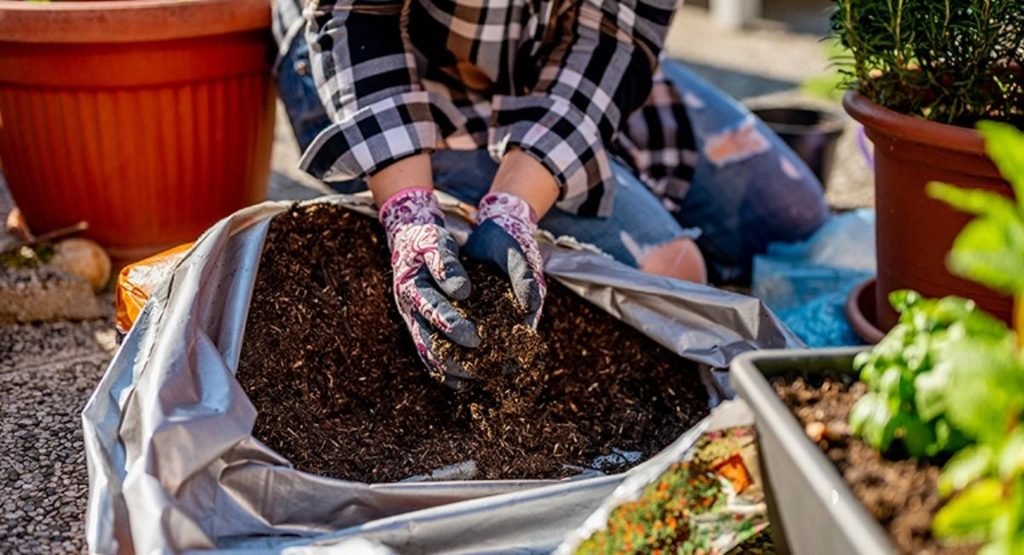
A quality indoor potting mix forms the foundation. It holds moisture and nutrients. On its own it is too dense, so treat it as a starting point rather than finished product.
Orchid Bark.
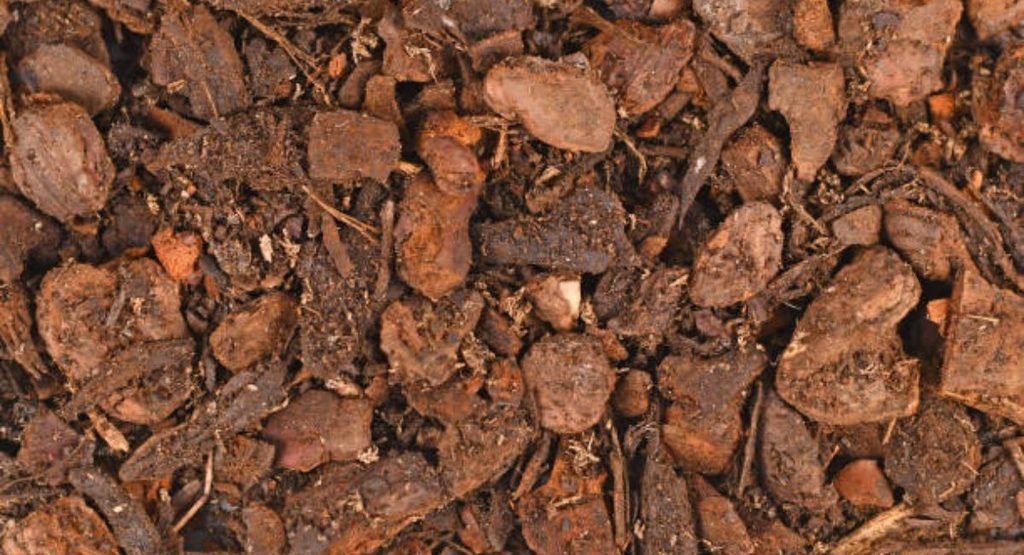
This is my favorite ingredient. Chunky fir or pine bark create big air gaps and mimics the tree bark Monstera roots cling to in nature. It breaks down slowly, so it keeps the mix open for a year. Choose small to medium grade piece.
Perlite.
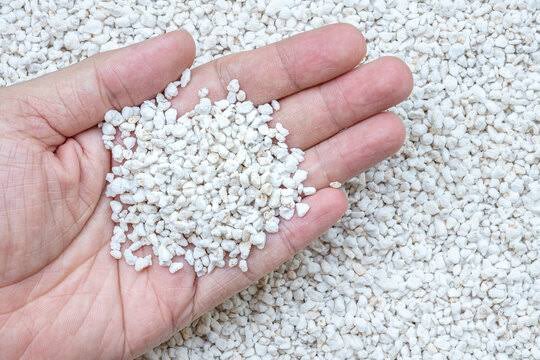
Those little white piece are volcanic glass expanded by heat. They are lightweight, they do not hold much water, they keep soil from compacting. Perlite is cheap and easy to find which make it the go-to for aeration.
Coco Coir.
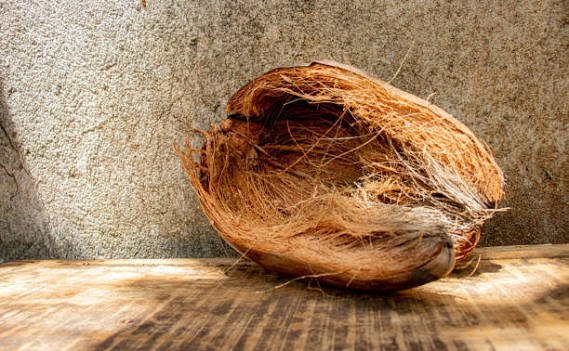
Made from coconut husks. Coco coir hold moisture while staying fluffy. I like it as a partial replacement for peat because it re-wets easily if it dries out. Just do not use too much or the mix gets heavy.
Horticultural Charcoal.
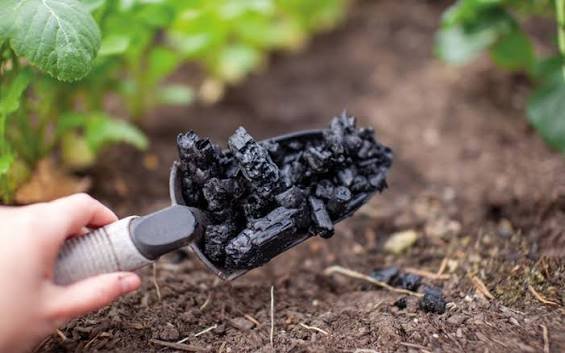
A small handful help absorb Unwanted substances and keeps the mix fresher. It is not Necessary but I have noticed fewer funky smell in pots where I use it.
Worm Castings.
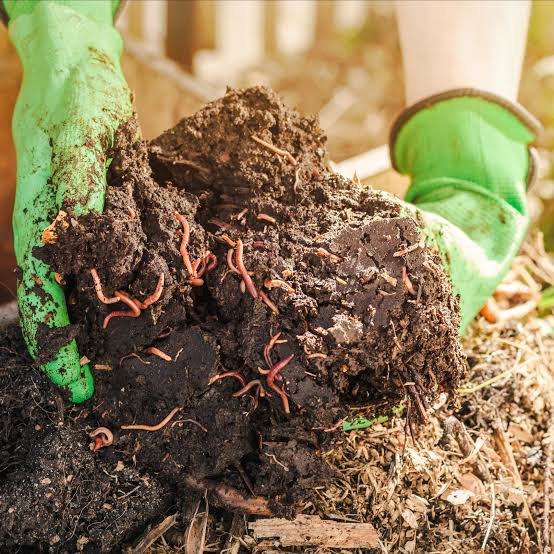
A modest amount add gentle slow release nutrients. light seasoning not the main course. About 5 to 10 percent of mix is plenty.
My Favorite DIY Monstera Soil Recipe.
After a lot of experimenting this is the mix I keep coming back to. It is simple and forgiving, and it works in most indoor conditions.
The 1-1-1 Base Mix:
1 part indoor potting mix.
1 part orchid bark.
1 part perlite.
Mix them together in a large tub. That is it. For a slightly richer version, I swap a little of the potting mix for coco coir and add handful of worm castings and a small scoop of charcoal.
Here is how it feels when it is right. If it stays in a tight, muddy clump, add more bark or perlite. If it fall apart like dry sand instantly, add little more potting mix or coir.
I tested this recipe side by side with plain potting soil on two cuttings from the same mother plant. The chunky-mix cutting pushed out new roots faster and produced its first new leaf about three weeks sooner. Small experiment, but the difference was hard to ignore.
Can You Use Store Bought Potting Mix?
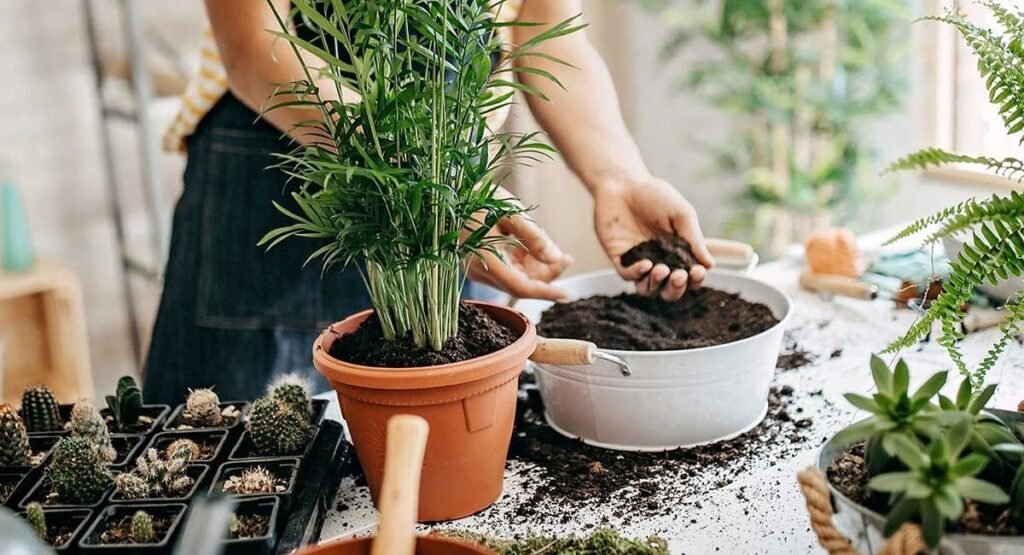
Yes, with some caveats. If you do not want to mix but you have options.
Pre-made aroid mixes are sold specifically for Monsteras, philodendrons, and pothos. These are usually the easiest choice, since they already include bark and perlite. Check the bag. If it look chunky and airy, you are in good shape.
All purpose indoor potting soil can work if you amend it. Add roughly a third perlite and a third bark, and you have basically built the DIY mix above.
Cactus mix is sometimes suggested, but I find it a bit too gritty and low on organic matter for Monsteras. It can work in a pinch if you mix it half and half with regular potting soil.
What I would skip: anything labeled “moisture control” with water retaining crystals, cheap bagged garden soil, and topsoil. These stay wet far too long in a container.
Ideal pH, Pot Choice, and Drainage.
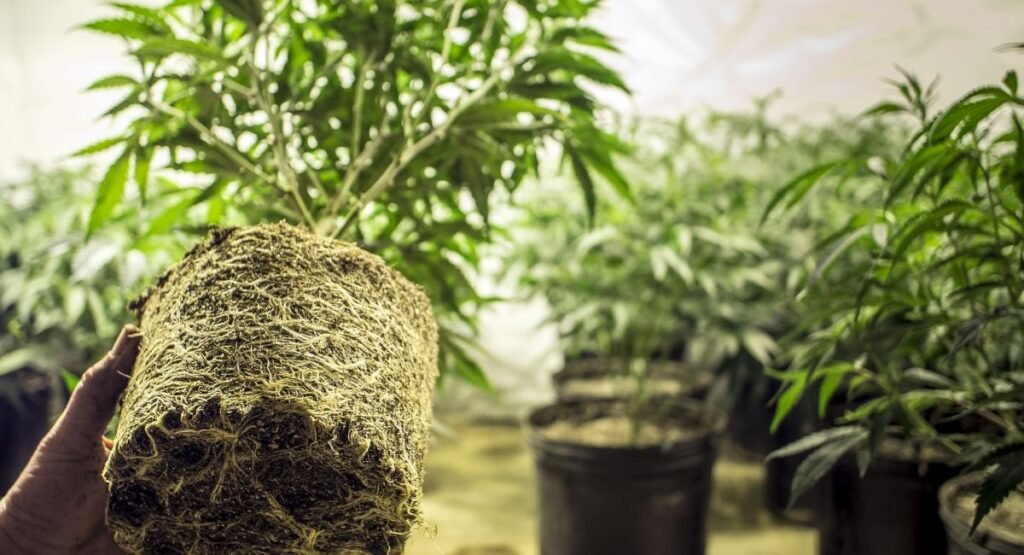
Soil doesn’t work alone. The pot matters just as much.
pH Basics.
Monsteras are not Particular but they do best in slightly acidic to neutral soil, generally between 5.5 and 7.0. Most quality potting mixes land in this range already. You do not need a testing kit unless your plant is struggling and you’ve ruled out everything else.
Pick a Pot With Drainage Holes.
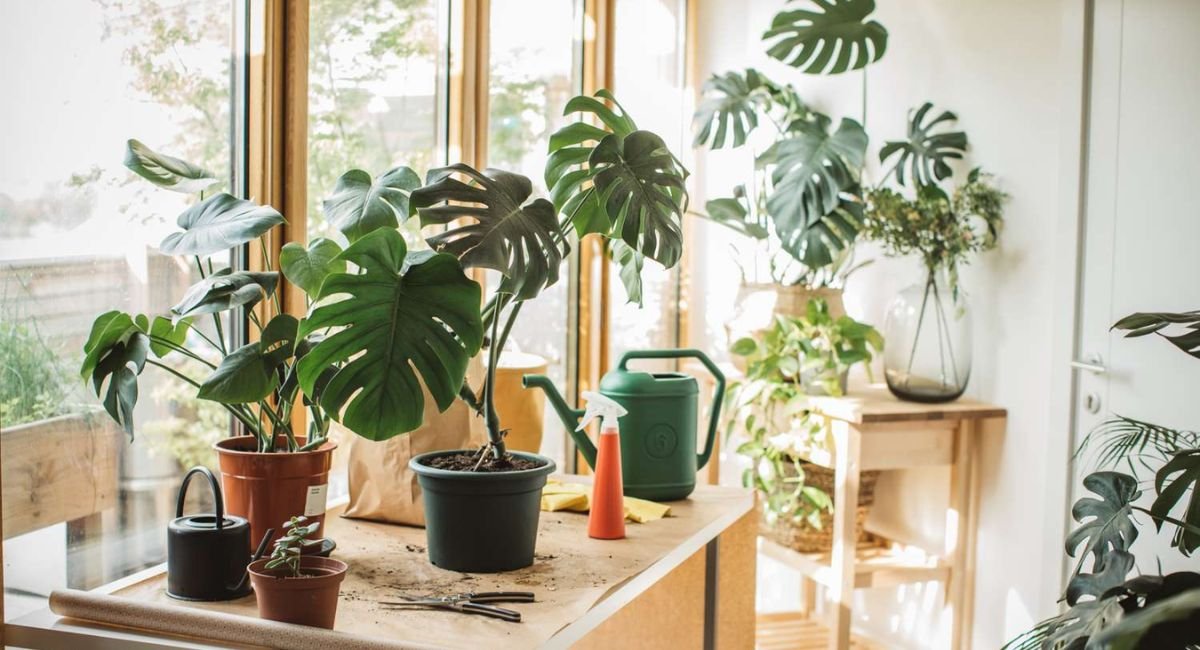
This is non negotiable in my book. Gorgeous pot with no hole is a trap. If you love a decorative pot, keep the Monstera in a plastic nursery pot and place it inside the pretty one, then take it out when watering.
Terracotta vs. Plastic.
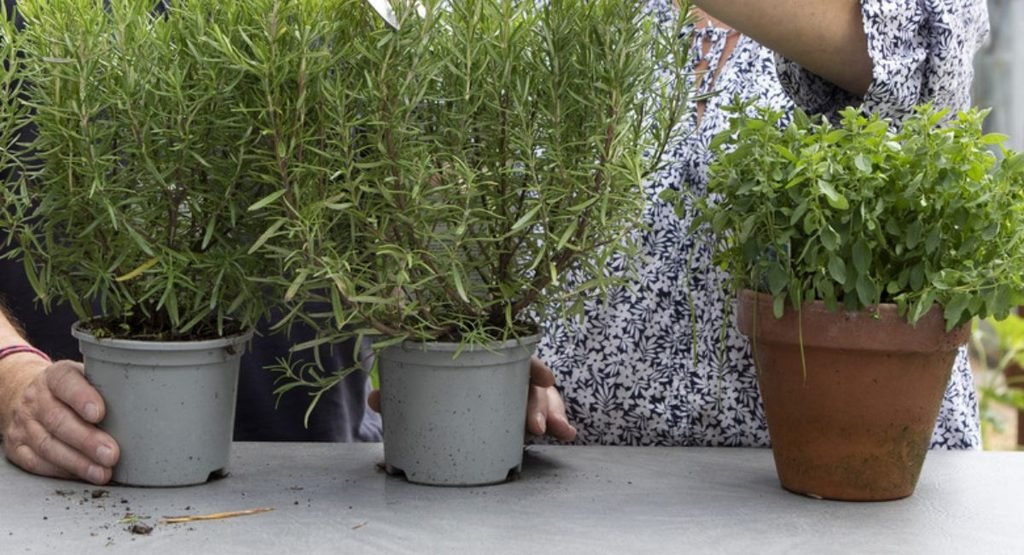
Terracotta allow more airflow and dries faster which help if you tend to overwater. Plastic hold moisture longer, which suits people who forget to water. Neither is wrong. Match the pot to your habit.
Size Matters.
Choose pot only (1,2) inch wider than the root ball. A huge pot filled with lot of soil stays wet for ages, because there are not enough roots to drink it up.
Common Soil Mistakes to Avoid
I have made most of these, so no judgment here.
Using garden soil. It compacts in containers and can bring in pests and disease.
Adding a layer of gravel at the bottom. This is an old myth. It does not improve drainage and can actually raise the soggy zone closer to the roots.
Repotting into a much bigger pot. More soil means more trapped water.
Skipping bark or perlite. Fine soil alone slowly turns into dense brick.
Overfeeding a rich mix. If your soil already has worm castings go easy on fertilizer.
Reusing old soil. Depleted, compacted soil is worth replacing, especially if the plant had problems.
The gravel thing surprised me. I did it for years because a relative told me it helped. Once I stopped, my plants got noticeably healthier.
When and How to Repot.
Most Monsteras want repotting every 1 to 2 years usually in spring or early summer when growth is strong.
Signs it is time:
Roots poking out of the drainage holes.
Water rushing straight through without soaking in.
The plant tipping over or looking cramped.
Soil that’s broken down into a dense, muddy texture.
How I do it:
Water the plant lightly the day before so root are less fragile.
Slide the plant out carefully and shake off old soil.
Trim any black, mushy, or bad smelling root with clean scissor.
Add a layer of fresh mix to new pot place the plant in at the same depth as before and fill in the space around it.
Water thoroughly until it drain then let it settle in.
Expect a little sulking for a week or two. A drooping leaf or two is normal. Keep it out of harsh direct sunlight while it recover.
Signs Your Soil Is Wrong.
Your Monstera will tell you when something’s off. Learn to read the signal:
Lower leave turning yellow and soil that never seems to dry usually mean too much moisture.
A sour musty smell point to poor drainage or early root rot.
Fungus gnats buzzing around thrive in constantly damp topsoil.
Crispy brown edge with dry hard soil can mean the mix is too fast draining or water is not reaching the roots.
Stunted growth despite good light might mean the soil is compacted or exhausted.
If you suspect a soil problem take the plant out and look at the root. Healthy one are firm and pale. Rotted ones are dark and squishy. Better to check than to guess.
Where Monstera Soil Is Heading.
Peat free mixes are becoming more widely available, with coco coir and composted bark taking peat’s place. Many grower now prefer chunky “aroid mixes” instead of one-size-fits-all soil, which is great news for plant owners. Some people are also trying out semi-hydroponic setups using LECA clay pebbles. It’s a valid path, but a good chunky soil is still the simplest way to start.
Conclusion.
Good Monstera soil is not Tricky. Aim for something chunky, light, and well draining that still holds a little of moisture. Start see the 1-1-1 mix see how your plant responds, and adjust from there. Every home has different light and humidity, so a little adjustment is normal.
If you have been dealing with a sad looking Monstera, do not beat yourself up. Nine times out of ten fix is pretty simple. Fresh soil a pot with drainage, and a lighter touch with the watering can might be all it takes. I’m rooting for your plant.
FAQs
How often should I change my Monstera’s soil?
Every year or two is usually plenty. If the roots look cramped or the soil has turned hard and packed down, go ahead and repot sooner. Even if you’re keeping the same pot, fresh mix give the roots a healthier home.
Is cactus soil good for Monsteras?
Not on its own. Cactus soil drains quickly, but it is too gritty and does not have enough organic matter for a Monstera. If it is what you have got, mix it half and half with regular indoor potting soil and toss in some bark to give it more structure.
Do Monsteras like wet or dry soil?
Somewhere in the middle. They like soil that’s slightly damp, but never soggy. Let the top couple of inches dry out then water thoroughly until the extra runs out of the bottom of the pot.